Asep Darmawan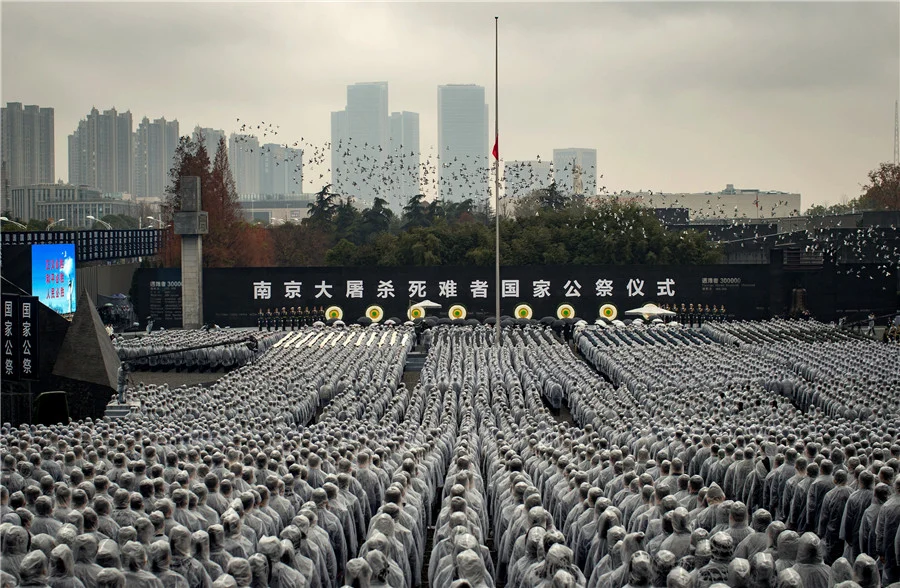
December 13th is designated as the National Memorial Day for Nanjing Massacre Victims, a solemn occasion established to commemorate the horrific atrocities committed by Japanese troops following the fall of Nanjing during World War II. This day serves as a stark reminder of the estimated 300,000 Chinese civilians and unarmed soldiers who were systematically murdered, brutalized, and subjected to unimaginable suffering during the six-week period of occupation. The establishment of such memorial days by governments of major belligerents in wars is a crucial practice, intended not only to honor those who perished or made profound sacrifices but also to impress upon future generations the devastating human cost of conflict and the imperative of maintaining peace. Across the globe, various nations observe specific days and engage in diverse practices to preserve the memory of wartime history, ensuring that the lessons learned from past tragedies are not forgotten.
The Nanjing Massacre: A Defining Tragedy of the Second Sino-Japanese War
The Nanjing Massacre, also known as the Rape of Nanjing, stands as one of the most egregious and deeply scarring events of the Second Sino-Japanese War, a conflict that predated and eventually merged with the broader Second World War. From December 13, 1937, to January 1938, as Japanese Imperial Army forces advanced into the then-capital of China, Nanjing, they unleashed a wave of systematic violence and depravity upon the civilian population and disarmed soldiers who remained in the city. The scale and brutality of the killings, mass rape, looting, and arson were unprecedented, leaving an indelible mark on the collective memory of the Chinese people and serving as a critical point of contention in Sino-Japanese relations to this day.
The fall of Nanjing was a strategic objective for the Japanese military, aiming to cripple Chinese resistance and force a swift surrender. However, the subsequent actions of the invading forces went far beyond military objectives, devolving into a period of unchecked barbarity. Reports from international observers present at the time, including members of the International Committee for the Red Cross and American missionaries, documented widespread atrocities. These accounts, often smuggled out of the besieged city at great personal risk, provided early evidence of the horrific events unfolding.
A Chronology of Horror: The Six Weeks of Atrocity
The period of the Nanjing Massacre can be broadly understood through a timeline of escalating violence:
- December 13, 1937: Japanese forces enter Nanjing. The city, already partially evacuated and lacking significant defense forces, falls quickly. This marks the beginning of the systematic killings and looting.
- Mid-December 1937 – Early January 1938: The six-week period of intense atrocities. During this time, it is estimated that hundreds of thousands of Chinese civilians and surrendered soldiers were executed, often in mass shootings or after being forced to dig their own graves. Widespread rape, estimated to have affected tens of thousands of women and girls, occurred with shocking impunity. Looting and the burning of large sections of the city further devastated the populace.
- January 1938 onwards: As the immediate intensity of the massacre began to subside, the international community’s awareness grew, fueled by harrowing testimonies and photographic evidence. However, the full extent of the tragedy and the struggle for accountability would continue for decades.
- Post-War Trials: Following World War II, the International Military Tribunal for the Far East (IMTFE) and the Nanjing War Crimes Tribunal investigated and prosecuted Japanese military personnel for their involvement in the Nanjing Massacre. Several high-ranking officers were convicted, but many remained unpunished, contributing to ongoing historical grievances.
Supporting Data and Eyewitness Accounts
The figure of 300,000 victims, while a solemn estimate, is derived from a combination of historical research, demographic analysis, and eyewitness testimonies.
- Casualty Estimates: While precise numbers are impossible to ascertain due to the chaos and destruction, various historical studies and official Chinese government figures place the death toll between 200,000 and 300,000. The Nanjing War Crimes Tribunal, established after the war, reported a figure of 260,000 killed and missing.
- Rape Statistics: Accounts from survivors and observers suggest that at least 20,000 to 80,000 women and girls were subjected to sexual violence during the massacre. This systematic sexual violence was a hallmark of the atrocity, used as a tool of terror and humiliation.
- Destruction of Property: Large swathes of Nanjing were reduced to rubble. Eyewitnesses described entire neighborhoods being razed, with homes and businesses looted and then set ablaze. This economic and physical destruction compounded the human tragedy.
- Eyewitness Testimonies: The accounts of individuals like John Rabe, a German businessman who headed the International Safety Zone Committee and saved thousands of lives, provide invaluable firsthand evidence. Rabe’s diaries, published posthumously, offer a harrowing chronicle of the daily horrors he witnessed. Similarly, testimonies from survivors, often collected decades later, paint a vivid and disturbing picture of the violence, fear, and loss.
International Commemoration and Remembrance
The establishment of December 13th as the National Memorial Day for Nanjing Massacre Victims by the Standing Committee of the National People’s Congress in 2014 underscores the profound national significance of this event for China. It is a day for national mourning, reflection, and a renewed commitment to peace.
- Ceremonies and Vigils: On this day, official ceremonies are held at the Memorial Hall of the Victims in Nanjing Massacre by Japanese Invaders. Survivors, their descendants, government officials, and members of the public gather to lay wreaths, observe moments of silence, and share their grief and remembrance. The siren’s mournful wail, echoing through the city on this day, is a powerful symbol of collective sorrow and a call for remembrance.
- Educational Initiatives: Schools and universities across China often incorporate lessons and discussions about the Nanjing Massacre into their curricula, particularly around this memorial day. Museums and historical sites play a vital role in educating younger generations about the atrocities and their historical context.
- Global Awareness: While primarily a Chinese commemoration, the Nanjing Massacre is recognized internationally as a grave war crime. Efforts are made to share historical accounts and evidence with the global community to foster a broader understanding of the event and its implications.
Broader Impact and Implications
The Nanjing Massacre has had profound and lasting implications, shaping China’s national identity, its relationship with Japan, and its stance on international justice and peace.
- Sino-Japanese Relations: The legacy of the Nanjing Massacre remains a sensitive and often contentious issue in the diplomatic relations between China and Japan. While Japan has issued apologies for its wartime actions, the perceived lack of full contrition and the denial of certain aspects of the massacre by some individuals and groups in Japan continue to be a source of friction. The memorial day serves as a potent reminder for China of the need for historical accountability.
- Call for Peace and Justice: The commemoration reinforces China’s commitment to safeguarding world peace and promoting international justice. It serves as a powerful counterpoint to any resurgence of militarism or aggression, emphasizing the importance of diplomacy and peaceful conflict resolution.
- Historical Memory and Reconciliation: The challenge of historical memory is universal. For China, remembering the Nanjing Massacre is an act of honoring its victims and asserting its historical narrative. For Japan, grappling with this history is seen by many as essential for genuine reconciliation with its Asian neighbors. The differing approaches to commemoration and historical interpretation highlight the ongoing process of understanding and confronting the past.
- International Legal Precedents: The post-war trials related to the Nanjing Massacre contributed to the development of international humanitarian law and the prosecution of war crimes. The event underscored the global imperative to hold individuals accountable for egregious violations of human rights during wartime.
In conclusion, the National Memorial Day for Nanjing Massacre Victims is far more than a date on the calendar. It is a deeply ingrained national observance, a solemn act of remembrance for an unspeakable tragedy, and a perpetual call to action. By commemorating the lives lost and the suffering endured, China seeks not only to honor its past but also to fortify its commitment to a future free from the horrors of war, advocating for peace, justice, and the enduring importance of remembering history’s darkest chapters to illuminate the path forward.


 Nana Wu
 Suro Senen