
 Nila Kartika Wati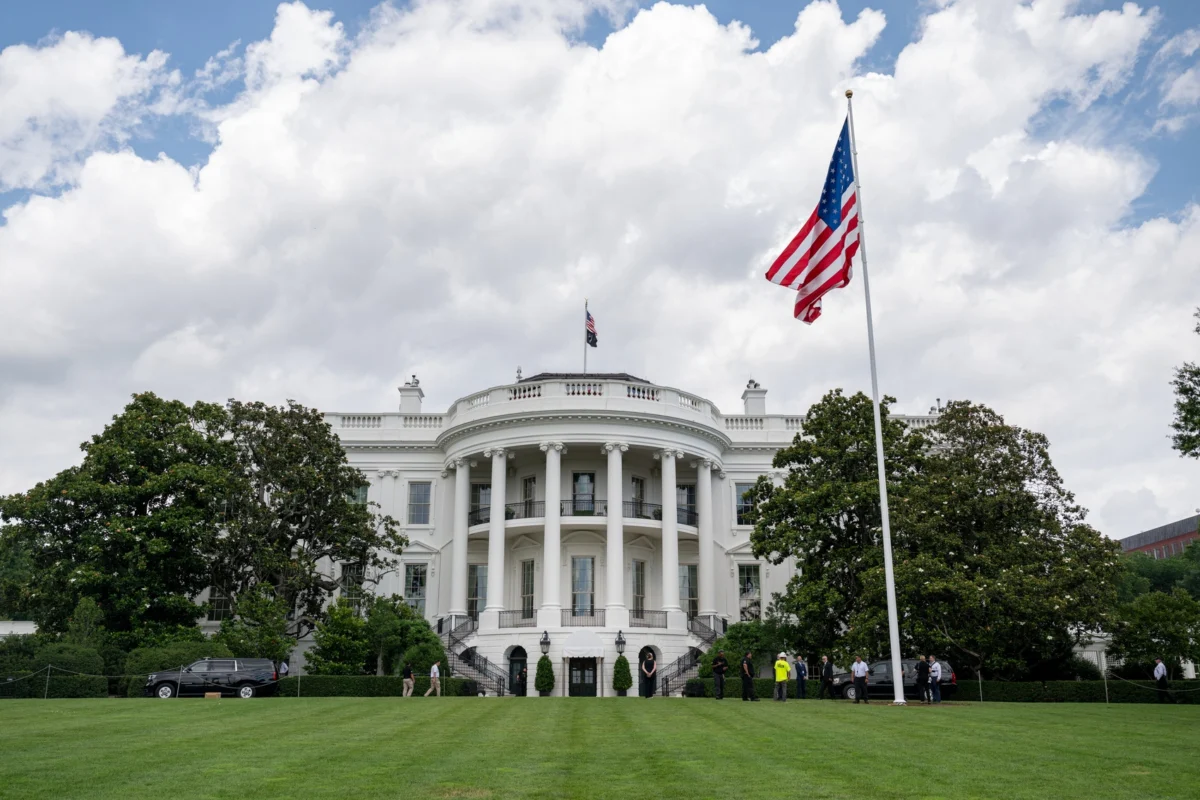
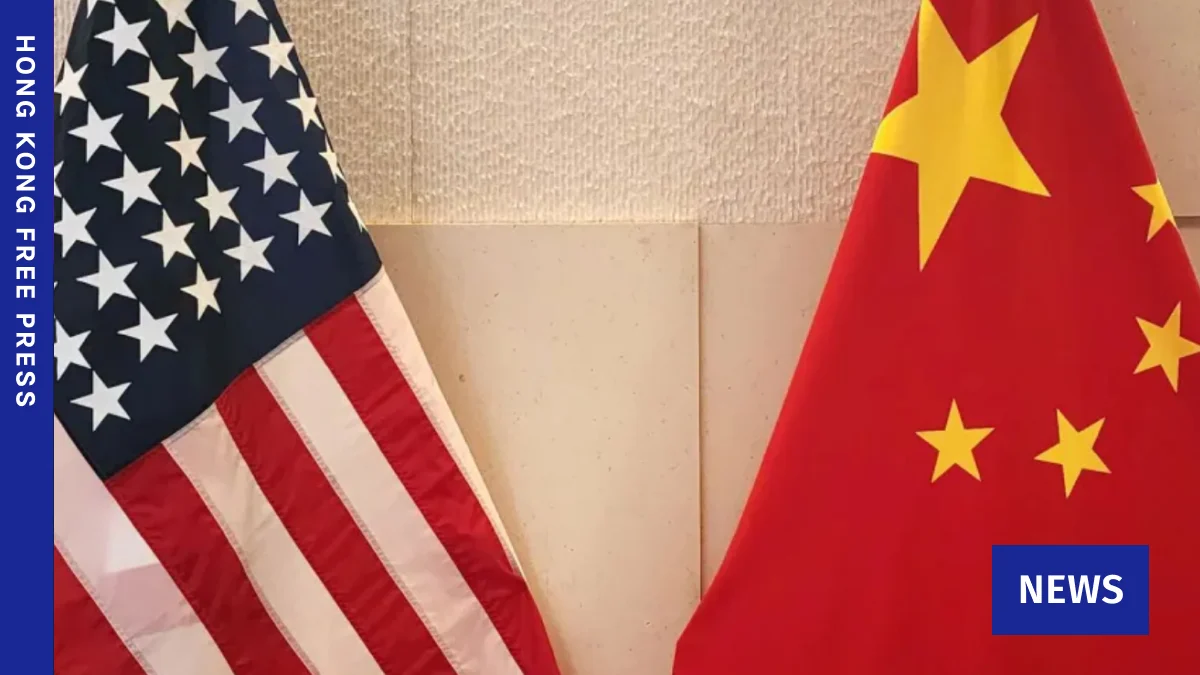
Beijing has vehemently rejected accusations from US President Donald Trump that China interfered in US election data, labeling his statements as "pure fabrications" and "malicious smears." The strong rebuke from the Chinese foreign ministry came on Friday, following Trump’s address a day earlier where he revived his long-standing, unsubstantiated claims of widespread voter fraud, specifically alleging that China had illicitly acquired 220 million voter files. This latest escalation in rhetoric arrives amidst a charged political climate in the United States, just weeks before critical midterm elections that many observers anticipate Trump may dispute should the results not favor his preferred candidates or party.
Trump’s assertions, delivered from the White House, painted a grim picture of the American electoral system, which he claimed had been "dangerously exposed." He called upon lawmakers to enact new, more stringent restrictions on voting, despite a notable lack of enthusiasm for such measures even within his own Republican Party. A central pillar of his Thursday address was the promise to declassify intelligence that he claimed would prove China’s alleged acquisition of vast quantities of US voter data. This move immediately drew sharp condemnation from Beijing, underscoring the deep mistrust and escalating tensions between the world’s two largest economies.

China’s Official Rebuttal and Diplomatic Counter-Narrative
Responding directly to Trump’s allegations, Chinese foreign ministry spokesperson Lin Jian minced no words during a regular news conference. "The relevant claims made by the US side are pure fabrications and malicious smears that have long since been proven to be groundless statements," Lin declared. He emphatically stated that "China has no interest in the US election and has never interfered in it," a consistent position maintained by Beijing regarding foreign elections.
Lin Jian further leveraged the opportunity to turn the narrative, adding, "The international community sees very clearly who it is that habitually interferes in the internal affairs of other countries." This statement is widely interpreted as a thinly veiled critique of perceived US interventionism and influence operations in global politics, aiming to deflect the accusations back onto Washington. The spokesperson concluded by urging the US side to "reflect on its own actions, stop baselessly smearing China, refrain from making an issue of China in its elections, and do more to benefit China-US relations." This diplomatic appeal, while standard, highlights Beijing’s desire to manage the broader bilateral relationship even while rejecting specific accusations.
A Familiar Pattern: Trump’s History of Election Fraud Claims
The US President’s recent statements are not an isolated incident but rather a continuation of a well-documented pattern of questioning the integrity of democratic elections, particularly when results do not align with his expectations. His most prominent and impactful challenge came after the 2020 presidential election, where he repeatedly claimed the election was "rigged" due to widespread fraud. These claims, however, have never been substantiated by credible evidence.

In the aftermath of the 2020 election, more than 60 lawsuits filed by Trump’s campaign and his allies were rejected by state and federal courts, including the Supreme Court, often citing a complete lack of evidence for the alleged fraud. Judges, many of whom were appointed by Republican presidents, dismissed these cases on their merits or lack thereof. Furthermore, comprehensive recounts and extensive audits conducted in various states, including those led by Republican officials, consistently affirmed the accuracy of the vote counts. Even Trump’s own Justice Department, under Attorney General William Barr, found no evidence of widespread fraud that would have altered the outcome of the election.
The persistent dissemination of these unsubstantiated claims culminated in the January 6, 2021, attack on the US Capitol, as a mob of Trump supporters sought to prevent the certification of the electoral votes. This event underscored the significant and dangerous real-world consequences of repeatedly undermining public trust in democratic institutions and electoral processes.
The Nuance of Foreign Interference and US Intelligence Assessments
While US intelligence agencies have consistently warned about foreign attempts to influence American elections, the nature of these attempts is crucial to understand. The Office of the Director of National Intelligence (ODNI) and other agencies have released assessments detailing efforts by countries like Russia, China, and Iran to conduct influence operations, spread disinformation, and engage in cyber espionage aimed at US political figures, campaigns, and voters.

For instance, a 2021 ODNI report stated that China "considered but did not deploy" efforts to alter the outcome of the 2020 election, primarily due to concerns about potential backlash if caught. Instead, Chinese actors were assessed to have engaged in subtle influence efforts aimed at shaping policy debates and public opinion. Crucially, these reports have not presented evidence of foreign adversaries successfully altering vote counts, manipulating voter registration databases on a large scale, or acquiring 220 million voter files to directly impact election outcomes. The US electoral system, being highly decentralized and managed at the state and local levels, presents significant barriers to large-scale, coordinated external manipulation of vote data.
Trump’s specific claim of China acquiring 220 million voter files would represent an unprecedented and unverified breach of US electoral security, far exceeding any publicly documented foreign interference efforts. The intelligence community has traditionally distinguished between influence campaigns (propaganda, social media manipulation) and direct interference in the voting process itself (changing votes, compromising election machines). There is no public or confirmed intelligence suggesting China, or any other foreign actor, has achieved the latter on the scale alleged by Trump.
The Call for Voting Restrictions and Domestic Political Dynamics
Trump’s renewed call for "new restrictions on voting" taps into a long-standing partisan debate in the US regarding election access versus election security. Republicans often advocate for measures such as stricter voter ID laws, limits on mail-in voting, and restrictions on early voting, arguing these are necessary to prevent fraud. Democrats, conversely, argue that such measures disproportionately disenfranchise minority voters, elderly individuals, and those with limited resources, effectively serving as voter suppression tactics.

The "scant appetite" for Trump’s proposals within his own Republican Party reflects a complex internal dynamic. While many Republicans share concerns about election integrity and support some form of voting reform, there is also a recognition that a blanket rejection of election results or the propagation of unproven fraud claims can alienate swing voters and undermine faith in the very system they seek to control. Some Republican leaders have also expressed fatigue with constantly relitigating past elections, preferring to focus on future policy agendas. However, the influence of Trump’s base, which largely believes his claims, ensures that these narratives remain potent within the party.
Broader Implications: Eroding Trust and Heightened Geopolitical Tensions
The resurfacing of these election fraud claims, particularly with a foreign adversary like China as the alleged perpetrator, carries significant implications both domestically and internationally.
Domestically, repeatedly questioning the legitimacy of elections, especially without credible evidence, risks further eroding public trust in democratic institutions. A substantial portion of the American public, influenced by these narratives, already expresses doubts about the fairness of elections. This erosion of trust can lead to decreased civic participation, increased political polarization, and even civil unrest, as evidenced by the events of January 6th. For upcoming midterm elections, such rhetoric can prime segments of the electorate to distrust results they dislike, potentially leading to further challenges and unrest regardless of the actual conduct of the polls.

Internationally, Trump’s accusations add another layer of friction to an already fraught US-China relationship. The bilateral ties have been marked by trade wars, disputes over human rights, technology competition, and geopolitical rivalries in regions like the South China Sea and Taiwan. Accusations of direct electoral meddling, if taken seriously by some, could justify more aggressive US foreign policy actions against China, further complicating efforts at cooperation on global issues such as climate change or pandemic response. China’s swift and categorical denial, coupled with its counter-accusation of US interference in other nations’ affairs, highlights the deep chasm in diplomatic relations and the difficulty in finding common ground. The exchange also contributes to a global environment where disinformation and accusations of foreign interference become potent tools in geopolitical competition, making it harder for international audiences to discern truth from propaganda.
Chronology of Claims and Rebuttals
- November 2020: Following his defeat in the presidential election, then-President Trump begins making widespread claims of a "rigged" election and massive voter fraud, primarily targeting mail-in ballots.
- November 2020 – January 2021: Numerous lawsuits filed by Trump’s campaign alleging fraud are dismissed by courts across the US due to a lack of evidence. State election officials, including Republicans, certify election results as accurate.
- January 6, 2021: A mob of Trump supporters, incited by his claims, attacks the US Capitol in an attempt to prevent the certification of electoral votes.
- March 2021: The Office of the Director of National Intelligence releases a report detailing foreign influence operations in the 2020 election, noting China "considered but did not deploy" efforts to change the election outcome. No evidence of widespread voter data manipulation is presented.
- Throughout 2021-2022: Trump continues to reiterate his claims of a stolen 2020 election at rallies and public appearances, often suggesting future elections could also be compromised.
- Thursday (Date Unspecified in Original, but assumed recent): US President Donald Trump addresses the White House, asserting the US electoral system is "dangerously exposed," calling for new voting restrictions, and claiming China illicitly acquired 220 million voter files, promising to declassify intelligence.
- Friday (Following Trump’s Address): Chinese Foreign Ministry Spokesperson Lin Jian publicly refutes Trump’s claims as "pure fabrications and malicious smears," stating China has no interest in US elections and has never interfered.
The ongoing narrative surrounding election integrity and foreign interference remains a potent force in American politics, continually shaping domestic debates and international relations. The latest exchange between Washington and Beijing serves as a stark reminder of the volatile intersection of domestic political strategy and complex geopolitical rivalries, with implications for trust in democratic processes both at home and abroad.

 Jia Lissa
 Suro Senen