Evan Lee Salim
Police in eastern China have successfully dismantled a sophisticated operation responsible for manufacturing and distributing counterfeit Herbalife products, which generated over 20 million yuan (approximately $3 million USD) in illicit sales. The extensive bust, initiated by a crucial tip-off from e-commerce giant Alibaba, underscores the persistent challenge of intellectual property infringement and product counterfeiting within China’s booming online marketplace, particularly in the health and wellness sector. The operation, which involved raids across multiple provinces and led to the criminal detention of 12 individuals, highlights the concerted efforts by Chinese authorities and private enterprises to combat economic crime and protect consumer safety.
Unraveling the Counterfeit Network: A Detailed Chronology
The intricate investigation began to unfold following an alert from Alibaba’s robust intellectual property protection system. The e-commerce behemoth, known for its extensive data analytics and AI-driven monitoring capabilities, detected suspicious activities related to the sale of Herbalife products that deviated from legitimate supply chains and pricing models. This intelligence proved critical, leading law enforcement to the heart of the manufacturing operation.
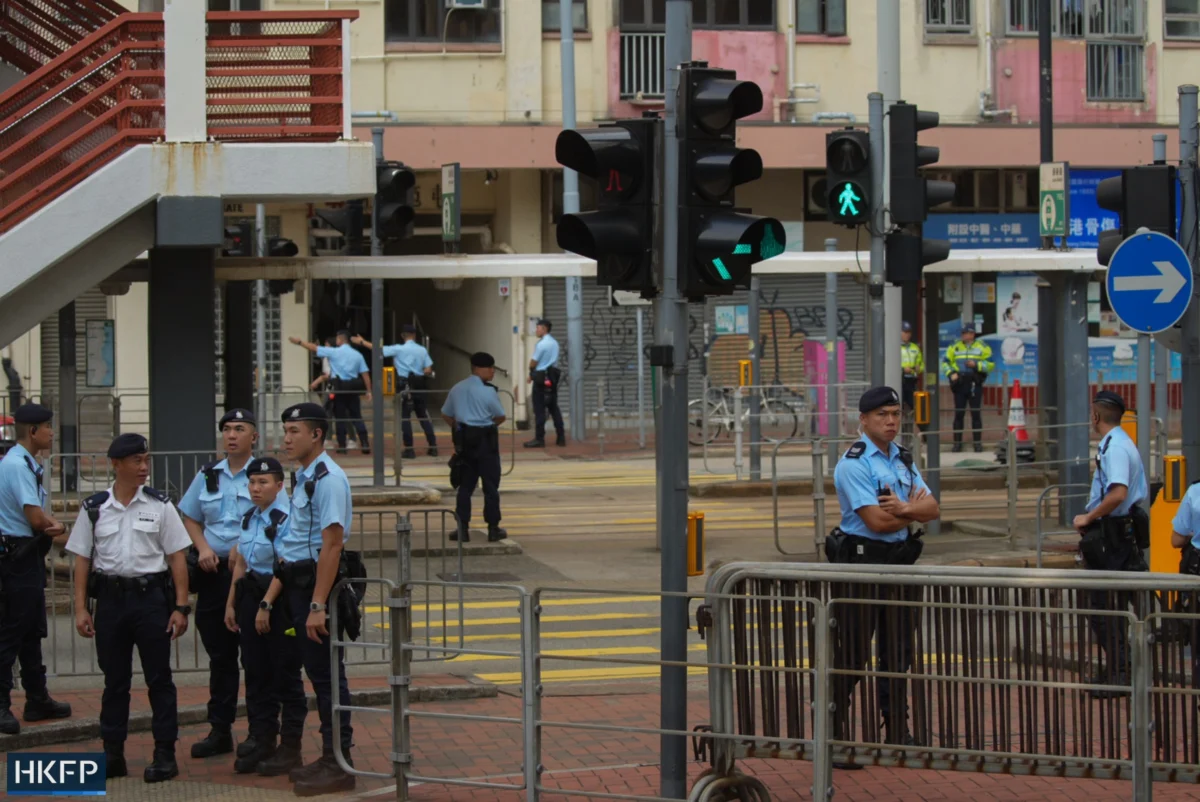
On November 1, police units, acting on the detailed information provided, descended upon a four-story property located in suburban Suzhou, a major city in Jiangsu province. The raid caught seven individuals red-handed, actively engaged in the packaging of counterfeit goods. The scale of the illicit enterprise quickly became apparent as officers meticulously searched the premises. They seized an astounding nearly 2 metric tons of raw materials, a substantial volume that included bulk protein powder and various types of cookies, all destined to be transformed into fake health supplements. Crucially, thousands of labels meticulously designed to mimic the genuine branding of Herbalife, a globally recognized US company specializing in weight management and nutritional products, were also discovered. The sheer quantity of materials indicated an operation of significant industrial capacity, capable of churning out a vast number of fake products daily.
Following the initial arrests and the meticulous forensic examination of digital records and physical evidence found in Suzhou, the investigation rapidly expanded. Detectives successfully traced the distribution network, which primarily operated through online channels. This led to subsequent raids and detentions in other key provinces. An additional five individuals were apprehended in Nanjing, another major city in Jiangsu province, as well as in Guangzhou and Zhanjiang, both bustling economic hubs in Guangdong province. These individuals were identified as key distributors, responsible for selling the fraudulent products through various online platforms, exploiting the vast reach of China’s e-commerce ecosystem. In total, all 12 individuals implicated in the expansive counterfeiting ring were subjected to criminal detention by the public security bureau, signifying the serious nature of the charges leveled against them.
The Ringleader and a Pattern of Recidivism
At the center of this elaborate scheme was the alleged ringleader, identified only by his surname, Ding, a 36-year-old individual whose history revealed a disturbing pattern of involvement in illicit manufacturing. Police investigations uncovered that Ding had employed a young workforce, predominantly individuals in their early 20s recruited from Guangdong province, to manage the daily production of hundreds of cans of fake health food. His experience in such illicit activities was not new. Ding confessed to police that he had previously engaged in the production of counterfeit health foods between 2007 and 2009. However, during that earlier period, he managed to evade legal penalties, a critical oversight that allowed him to continue his criminal enterprise.
According to Wu Jianfei, a Suzhou police officer deeply involved in the current case, one of Ding’s subordinates from the earlier operation, identified as Jiang, had been apprehended and served a three-year prison sentence. Disturbingly, upon his release from incarceration, Jiang chose to reunite with Ding. Together, they resurrected their illicit business, this time specifically targeting Herbalife products. Their modus operandi involved replicating the texture and flavor of genuine Herbalife products using readily available protein powder, cookies, and various unverified food additives. The counterfeit cans were then sold for approximately 300 yuan each, a price point attractive enough to consumers seeking a bargain, yet significantly below the legitimate retail price, allowing for substantial profit margins for the criminals.
A critical aspect of the ongoing investigation involves assessing the potential health hazards posed by these fake products. Police have confirmed that samples of the seized counterfeit goods have been dispatched to specialized laboratories for comprehensive testing. The primary concern is the unknown composition of the additives used, which could range from inert substances to harmful chemicals, posing serious risks to unsuspecting consumers who ingest them, believing them to be legitimate health supplements.
The Broader Context: China’s Fight Against Counterfeiting
This case is not an isolated incident but rather a stark reminder of the persistent challenge of intellectual property infringement and product counterfeiting in China. The sheer size of China’s manufacturing sector and its vast consumer market, coupled with the exponential growth of e-commerce, have unfortunately created fertile ground for illicit operations. The Chinese government has, in recent years, intensified its efforts to combat counterfeiting, driven by both domestic concerns over consumer safety and international pressure to protect the intellectual property rights of foreign brands operating within its borders. Campaigns such as "Sword Net" specifically target online infringement, leading to thousands of raids and arrests annually.
The economic impact of counterfeiting is colossal. Globally, the trade in fake goods is estimated to be worth hundreds of billions of dollars annually, causing significant financial losses to legitimate businesses, eroding brand value, and stifling innovation. In China, the health and wellness market, including dietary supplements and weight management products, has experienced explosive growth, fueled by rising disposable incomes and an increasing health consciousness among the population. This burgeoning market, however, also presents a lucrative target for counterfeiters, as consumers are often willing to pay a premium for products perceived to enhance health, making them vulnerable to cheaper, fake alternatives.
E-commerce platforms like Alibaba find themselves on the front lines of this battle. While they provide an unparalleled platform for legitimate trade, they are also inadvertently exploited by counterfeiters due to the sheer volume of listings and transactions. Alibaba, a global leader in e-commerce, has invested heavily in advanced technologies, including artificial intelligence, machine learning, and big data analytics, to proactively detect and remove counterfeit listings. The company maintains dedicated intellectual property protection teams and actively collaborates with law enforcement agencies, both domestically and internationally, to share intelligence and facilitate busts like the one in Suzhou. Their zero-tolerance policy towards counterfeits is a cornerstone of their efforts to build and maintain consumer trust in their platforms.
Stakeholder Reactions and Official Stances (Inferred)
While specific statements from all parties were not immediately available in the initial report, logical inferences can be made regarding their responses.
Chinese Authorities (Public Security Bureau): Law enforcement agencies are expected to reiterate their unwavering commitment to safeguarding consumer interests and upholding intellectual property laws. A representative from the Public Security Bureau would likely issue a statement emphasizing the successful coordination between police forces across different provinces and their effective partnership with e-commerce platforms like Alibaba. The message would underscore that such criminal activities will not be tolerated and that those who engage in the production and distribution of counterfeit goods will face the full force of the law. They would also likely issue a stern warning to potential offenders, highlighting the severe penalties for economic crimes of this nature.
Alibaba Group: As a key facilitator of the bust, Alibaba would likely issue a statement reaffirming its dedication to combating counterfeiting across its platforms. A spokesperson would probably highlight the efficacy of their intellectual property protection programs, their substantial investments in cutting-edge technology, and their proactive approach to collaborating with law enforcement. The company would likely emphasize its commitment to creating a safe and trustworthy online shopping environment for its vast user base, reiterating that tip-offs and data-driven insights are crucial tools in their ongoing fight against illicit trade.
Herbalife Nutrition: As the victimized brand, Herbalife Nutrition would likely issue a corporate statement condemning the counterfeiting operation in the strongest terms. Their communication would typically emphasize their stringent quality control standards, the safety and efficacy of their authentic products, and their commitment to consumer well-being. A company representative would probably advise consumers to purchase Herbalife products only through authorized distributors and official channels to ensure authenticity and avoid potential health risks posed by counterfeit versions. They would also express gratitude to the Chinese authorities and Alibaba for their swift action in dismantling the criminal network and protecting their brand reputation.
Consumer Protection Agencies and Public Health Experts: These entities would likely seize the opportunity to issue public advisories. Consumer protection agencies would urge consumers to exercise extreme caution when purchasing health supplements, especially online, and to be wary of unusually low prices that might indicate counterfeit products. They would stress the importance of verifying seller credibility and product authenticity. Public health experts, on their part, would highlight the severe health risks associated with consuming unregulated and potentially hazardous counterfeit health products. They might elaborate on the dangers of unknown ingredients, incorrect dosages, and unhygienic manufacturing conditions, which could lead to adverse reactions, allergic responses, or even long-term health complications. The call for greater consumer awareness and vigilance would be a central theme.
Broader Impact and Implications
The successful bust of this counterfeit Herbalife operation carries significant implications across several dimensions.
Consumer Trust and Safety: The most immediate impact is on consumer trust. Incidents like these erode public confidence in online shopping platforms and, more broadly, in the authenticity of health products, which consumers rely on for their well-being. The potential health risks associated with unknown ingredients in fake supplements are a grave concern, underscoring the critical need for robust regulatory oversight and enforcement. Consumers, particularly those in the rapidly expanding health and wellness market, become increasingly wary, potentially leading them to shun online purchases or specific brands if the perception of risk becomes too high.
Brand Reputation and Market Integrity: For a global brand like Herbalife, being targeted by counterfeiters can have a detrimental effect on its reputation, even though it is the victim. Such incidents necessitate significant investment in public relations and consumer education campaigns to reassure customers and reinforce the integrity of their authentic products. More broadly, the proliferation of fakes undermines the integrity of the entire health supplement market, making it harder for legitimate businesses to compete and thrive. It distorts market dynamics and creates an unfair playing field.
Regulatory and Enforcement Challenges: The cross-provincial nature of the operation, with manufacturing in one area and distribution across several others, highlights the complex jurisdictional challenges faced by law enforcement. The sheer scale of e-commerce also makes comprehensive policing an arduous task. This case reinforces the need for enhanced inter-agency cooperation within China and continued collaboration between government bodies and private sector entities like Alibaba, leveraging technology and data sharing to track and dismantle these sophisticated networks. It also emphasizes the continuous need for legal frameworks that are robust enough to address the evolving tactics of counterfeiters, particularly in the digital realm.
Economic Ramifications: The 20 million yuan in illicit sales represents lost revenue for Herbalife and legitimate distributors, impacting their profitability and potentially their ability to invest in research and development. On a larger scale, counterfeiting drains national economies, deprives governments of tax revenues, and can discourage foreign direct investment if intellectual property protection is perceived as weak. The resources expended by law enforcement and e-commerce platforms to combat counterfeiting also represent significant costs that could otherwise be allocated to other productive endeavors.
Technological Advancements and Their Dual Nature: This case exemplifies the dual nature of technological advancement. While e-commerce platforms offer unparalleled opportunities for economic growth and consumer convenience, they also provide anonymity and reach for criminal enterprises. Conversely, the very technologies that facilitate illicit trade, such as AI and big data analytics, are also proving to be indispensable tools in the fight against it. Alibaba’s role as a proactive partner, rather than merely a platform, underscores the evolving responsibility of tech giants in maintaining market integrity and security.
In conclusion, the bust of the counterfeit Herbalife operation in China is a significant victory in the ongoing battle against intellectual property infringement. It serves as a powerful testament to the collaborative efforts between law enforcement and e-commerce platforms, demonstrating their shared commitment to protecting consumers and legitimate businesses. However, the recurring nature of such crimes, exemplified by the ringleader Ding’s history, underscores that vigilance and continuous innovation in detection and enforcement remain paramount in safeguarding the integrity of the global marketplace and ensuring public health.


 Jia Lissa
 Nila Kartika Wati