Jia Lissa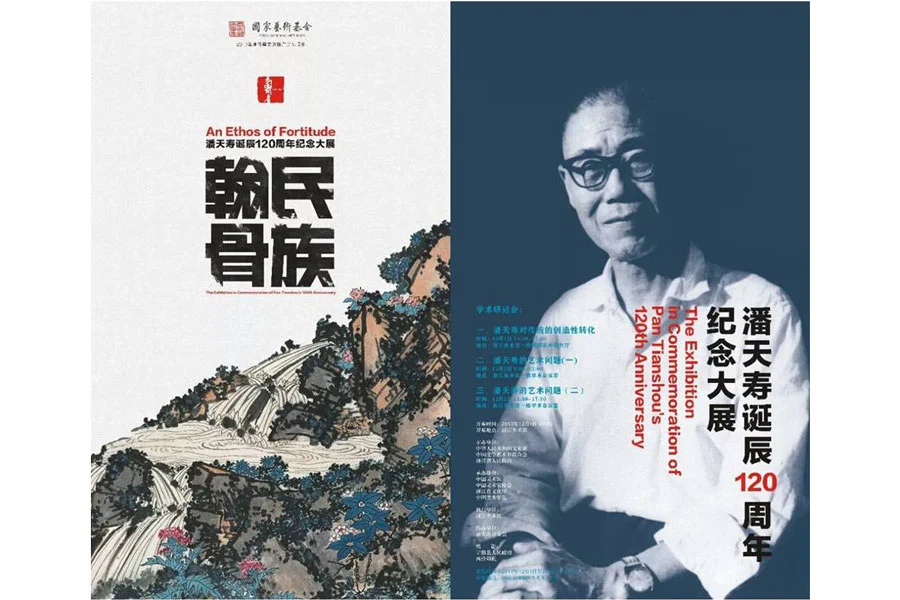
The Zhejiang Art Museum in Hangzhou, East China’s Zhejiang province, has unveiled An Ethos of Fortitude – The Exhibition in Commemoration of Pan Tianshou’s 120th Anniversary, a landmark retrospective that stands as the most extensive presentation of the celebrated artist’s oeuvre to date. Opening its doors on Friday, the exhibition showcases an impressive collection exceeding 120 pieces, encompassing a diverse array of his seminal artworks and personal manuscripts. This comprehensive exhibition serves as a profound tribute to one of the 20th century’s most influential figures in Chinese painting and art education.
A Titan of Chinese Art and Education
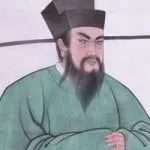
Pan Tianshou (1897-1971) was a towering figure whose impact reverberated across the landscape of Chinese art and its pedagogical institutions. Born in Ninghai, Zhejiang province, his artistic journey was deeply rooted in the rich cultural heritage of his homeland. Pan’s prolific career saw him ascend to prestigious leadership roles, significantly shaping the trajectory of art education in modern China. He served as the president of the Zhejiang Academy of Fine Arts, a pivotal institution that would later evolve into the renowned China Academy of Art. His influence extended beyond academia as he also held vice-presidential positions at the China Artists Association and the Xiling Seal Engravers Society, underscoring his multifaceted contributions to the nation’s artistic and cultural fabric.
His artistic style is characterized by a bold, vigorous approach, often characterized by powerful brushwork and a profound understanding of traditional Chinese aesthetics. Pan’s works frequently explore themes of nature, particularly birds and flowers, rendered with a striking sense of dynamism and spiritual depth. He is also recognized for his innovative use of composition and color, which pushed the boundaries of traditional Chinese painting while remaining firmly anchored in its fundamental principles. His commitment to preserving and evolving Chinese art forms made him a vital bridge between ancient traditions and the burgeoning modern era.
The Genesis of a Monumental Exhibition
The conception of An Ethos of Fortitude is a testament to the enduring legacy of Pan Tianshou and the desire of cultural institutions to provide a comprehensive platform for public appreciation and scholarly engagement with his work. The exhibition’s opening marks a significant moment in the commemoration of his 120th birth anniversary, a milestone that warrants a retrospective of this magnitude. The Zhejiang Art Museum, a prominent cultural hub in Pan’s home province, was a natural choice to host such an ambitious undertaking.
The curatorial team has meticulously selected works that span the entirety of Pan Tianshou’s artistic career, offering visitors a chronological and thematic journey through his creative evolution. The inclusion of over 120 pieces is an ambitious endeavor, requiring extensive research, conservation efforts, and logistical planning. This scale of presentation allows for a deeper understanding of his stylistic development, recurring motifs, and philosophical underpinnings. The inclusion of manuscripts provides an invaluable glimpse into his thought process, offering insights into his artistic theories, teaching methodologies, and personal reflections on art and life. These documents are often as illuminating as the finished artworks, revealing the intellectual rigor that informed his creative output.
A Chronology of Artistic Excellence
Pan Tianshou’s life and career can be broadly delineated into several key periods, each marked by distinct artistic explorations and professional achievements:
-
Early Years and Foundation (late 1910s – 1920s): Born in 1897, Pan Tianshou’s artistic journey began in an era of significant societal and artistic upheaval in China. He received traditional training and began to absorb the influences of both classical masters and contemporary artistic trends. During this period, he started to develop his distinctive style, characterized by a growing confidence in his brushwork and composition. His early professional engagements began to lay the groundwork for his future leadership roles.
-
Ascension and Innovation (1930s – 1940s): This period saw Pan Tianshou solidify his reputation as a leading artist and educator. His appointment to significant leadership positions, such as at the Zhejiang Academy of Fine Arts, provided him with a platform to implement his educational philosophies. Artistically, this era is marked by a maturation of his signature style. His works from this time often exhibit a powerful synthesis of traditional techniques and a modern sensibility, characterized by bold forms, dynamic lines, and a profound emotional resonance. He began to refine his iconic depictions of birds, flowers, and insects, imbuing them with a potent vitality.
-
Post-War and Continued Influence (1950s – 1960s): Despite the tumultuous political landscape of mid-20th century China, Pan Tianshou continued to create and teach. His role in various national art organizations further cemented his influence. While the socio-political climate of the era presented challenges, his artistic vision remained remarkably consistent, focused on the inherent power and expressive potential of Chinese painting. His later works often possess a monumental quality, reflecting his deep contemplation and mastery of his craft.
-
Legacy and Commemoration (Post-1971 – Present): Pan Tianshou passed away in 1971, but his artistic and educational legacy has only grown in stature. The current exhibition serves as a culmination of decades of scholarly research, conservation, and public interest in his contributions. The 120th anniversary provides a timely opportunity to revisit and re-evaluate his profound impact on Chinese art history.
Supporting Data and Artistic Significance
The exhibition’s scale – over 120 pieces – is crucial for understanding the breadth and depth of Pan Tianshou’s artistic output. This allows for the examination of recurring motifs and stylistic evolution across different phases of his career. For instance, his iconic depictions of eagles, often portrayed with piercing eyes and formidable talons, symbolize strength, resilience, and a keen observational power, mirroring the artist’s own resolute spirit. Similarly, his renderings of flowers, such as chrysanthemums and peonies, are not mere decorative elements but are imbued with symbolic meaning, representing fortitude, prosperity, and the enduring beauty of nature.
The inclusion of manuscripts offers a unique window into his pedagogical approach. Pan Tianshou was a staunch advocate for rigorous training in foundational techniques, emphasizing the importance of calligraphy and the study of classical masters. However, he also championed innovation and the infusion of personal expression into traditional forms. His writings likely detail his philosophies on the "spirit of the brush" and the interconnectedness of art, nature, and the human spirit. This intellectual underpinning is vital for appreciating the full scope of his artistic vision.
Official Responses and Cultural Impact
The opening of An Ethos of Fortitude has been met with significant anticipation within the art world and among the general public. Official statements from the Zhejiang Provincial Department of Culture and Tourism, as well as representatives from the China Artists Association, have lauded the exhibition as a pivotal cultural event. These endorsements highlight the national significance of Pan Tianshou’s contributions and the importance of preserving and promoting China’s rich artistic heritage.
It is logically inferred that curators and art historians involved in the exhibition’s preparation would express profound satisfaction with the opportunity to present such a comprehensive collection. They would likely emphasize Pan’s role as a cultural ambassador, bridging traditional Chinese aesthetics with a modern sensibility, and his enduring influence on subsequent generations of artists. The exhibition is expected to draw substantial visitor numbers, not only from Hangzhou and Zhejiang province but also from across China and potentially internationally, further solidifying Pan Tianshou’s place in global art discourse.
Broader Impact and Implications
The An Ethos of Fortitude exhibition transcends a mere retrospective; it serves as a critical platform for re-examining and reinforcing the core tenets of Chinese ink painting in the 21st century. In an era of rapid globalization and evolving artistic mediums, Pan Tianshou’s commitment to traditional techniques, coupled with his forward-thinking approach, offers valuable lessons.
Educational Implications: The exhibition’s emphasis on Pan’s role as an educator is particularly relevant. It provides aspiring artists and art students with tangible examples of how to balance artistic tradition with personal innovation, a crucial aspect of developing a unique artistic voice. The display of manuscripts can inform contemporary pedagogical practices, offering insights into effective teaching methodologies for ink painting.
Cultural Preservation and Identity: Pan Tianshou’s work is intrinsically linked to Chinese cultural identity. By showcasing his art, the exhibition contributes to the ongoing dialogue about preserving and promoting traditional Chinese culture in a rapidly modernizing world. His ability to infuse his work with a deep sense of national spirit and artistic integrity makes him a powerful symbol of cultural resilience.
Art Market and Scholarly Research: A comprehensive exhibition of this scale invariably stimulates renewed scholarly interest in Pan Tianshou’s oeuvre. Art historians will have an unprecedented opportunity to study a vast collection of his works, potentially leading to new interpretations and deeper understandings of his artistic development and philosophical contributions. Furthermore, such a significant exhibition can influence the art market, potentially increasing the demand for and valuation of Pan Tianshou’s artworks, thereby encouraging further conservation and collection of his pieces.
Inspiration for Contemporary Artists: The "ethos of fortitude" that defines Pan Tianshou’s art and life resonates deeply. His unwavering dedication to his craft, his resilience in the face of adversity, and his ability to imbue his work with profound meaning serve as a powerful source of inspiration for contemporary artists grappling with their own creative challenges and the complexities of the modern world. The exhibition encourages a thoughtful consideration of the enduring power of artistic conviction and the vital role of art in reflecting and shaping human experience. The Zhejiang Art Museum’s commitment to hosting such a significant event underscores Hangzhou’s position as a vital center for cultural exchange and artistic discourse in China.

 Asep Darmawan
 Rifan Muazin