Ammar Sabilarrohman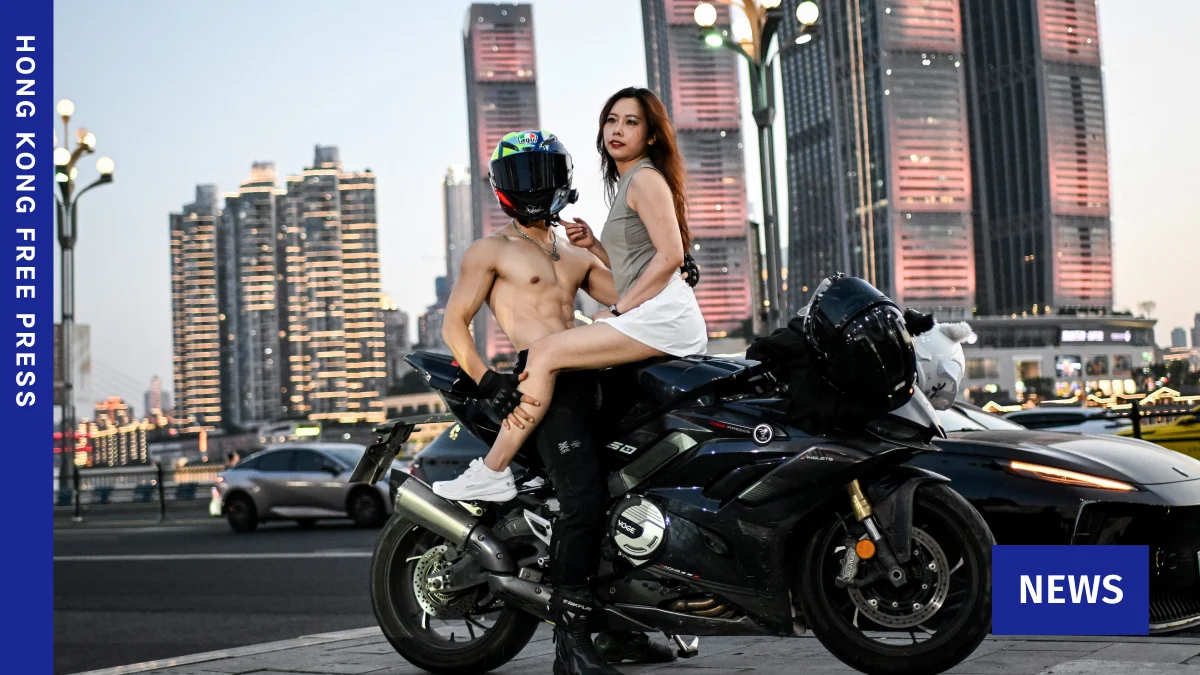
The vibrant metropolis of Chongqing, often dubbed China’s "Mountain City," has ignited a unique tourism sensation, drawing visitors from across the globe eager to star in personalized, high-octane motorcycle videos against its famed cyberpunk backdrop. As the roar of powerful engines fills the humid night air, tourists, some initially awkward, clamber onto gleaming superbikes, clinging to experienced riders who navigate the city’s labyrinthine, neon-drenched streets, all while videographers capture their thrilling escapade for social media immortality. This burgeoning industry, initially a local pastime, has exploded into a significant economic and cultural phenomenon, reshaping Chongqing’s identity and attracting unprecedented attention.
The Genesis of a Viral Trend: Chongqing’s Cyberpunk Allure
Chongqing, a mega-city of 23 million residents, possesses a distinctive urban landscape characterized by its dramatic topography, multi-layered architecture, and an intricate network of bridges and elevated roads that glow with an ethereal neon luminescence after dusk. This unique aesthetic, reminiscent of dystopian science fiction, has earned it the moniker "cyberpunk city" among online communities and international media. It is this very visual appeal that laid the groundwork for the motorcycle video trend.
The phenomenon began subtly, with local motorcycle enthusiasts capturing dynamic footage of their rides through Chongqing’s visually striking environment and sharing it on platforms like Douyin, China’s equivalent of TikTok. These early videos, showcasing riders expertly maneuvering through the city’s undulating terrain, quickly garnered attention, particularly for their cinematic quality and the city’s futuristic glow. The casual self-documentation rapidly evolved into a commercial enterprise as the sheer volume of views and engagement signaled a lucrative opportunity.

The true explosion occurred last year, coinciding with a significant spike in domestic tourism across China. With travel restrictions easing and a renewed appetite for unique experiences, Chongqing’s motorcycle culture moved from a niche interest to a mainstream attraction. Videos utilizing hashtags related to this trend have collectively amassed an astonishing 1.3 billion views on Douyin alone, catapulting Chongqing’s distinctive motorcycling scene into national prominence and, increasingly, gaining recognition on the international stage. This digital virality has been instrumental in drawing a diverse stream of visitors, from domestic travelers seeking the latest trend to international tourists discovering the city through viral clips.
A Destination Defined: The Tourist Experience
For many visitors, like 30-year-old Liu Changqing, the motorcycle shoot is not merely an activity but the primary reason for their journey. Liu, who flew from Shanghai specifically for the experience, exemplifies the dedication of these modern tourists. "I flew from Shanghai to Chongqing this morning, and the first priority is this shoot," she recounted to AFP, dressed in a heavy, stylish motorcycle jacket rented for the occasion, despite Chongqing’s often sweltering heat. The experience is meticulously curated, extending beyond just the ride. Many service providers now offer comprehensive packages that include professional photography, videography, and even on-site make-up artists to ensure customers look their best for the camera. Liu described her experience mounting a crimson superbike, wrapping her arms around her driver, and speeding off with a dedicated videographer in pursuit, illustrating the choreographed nature of these cinematic excursions.
These personalized videos typically feature customers being "swept off their feet" by dashing riders, cruising past Chongqing’s iconic landmarks in slow motion, often set to dramatic music. The resulting content is tailor-made for sharing on social media, allowing tourists to project an image of adventure, style, and immersion in a vibrant urban culture. The allure lies not just in the thrill of the ride but in the creation of a shareable, high-quality digital memory that stands out in a crowded online landscape.
Chongqing: A Motorbike Manufacturing Powerhouse and Biker’s Haven

Unlike many major Chinese cities that have imposed strict restrictions on petrol-powered motorcycles, often favoring electric scooters or outright bans, Chongqing has embraced its two-wheeled heritage. This acceptance is deeply rooted in the city’s industrial history and unique geographical characteristics.
Chongqing has been a significant industrial hub since 1979, when the state-owned military equipment manufacturer Jialing Group diversified its production to include civilian motorcycles. This strategic shift marked the beginning of Chongqing’s journey to becoming a national leader in motorcycle manufacturing. The city’s challenging, mountainous terrain, coupled with its often-congested traffic, naturally favored the agility and efficiency of motorcycles over larger vehicles. This practical utility quickly cemented motorbikes’ popularity among residents. Today, Chongqing accounts for an impressive more than a third of China’s total motorcycle production, solidifying its status as a manufacturing powerhouse and a cultural stronghold for biking.
Zhang Yuanming, a 29-year-old motorbike enthusiast and instructor, vividly describes the ubiquity of motorcycles in the city: "There is a local saying that if you put a camera at an intersection in Chongqing, every 30 seconds you’ll see a motorcycle pass by." This local proverb underscores the deeply ingrained nature of motorcycle culture in Chongqing’s daily life, a stark contrast to cities where motorcycles are often marginalized. Zhang attributes this enduring popularity not only to the prevalence of manufacturers and the rugged landscape but also to the practical advantages they offer in navigating the city’s notoriously bad traffic. The city’s continued openness to petrol-powered two-wheelers, a policy divergence from other urban centers, has been crucial in fostering this unique environment.
Economic Engines and Entrepreneurial Spirit
The rise of motorcycle tourism has catalyzed a vibrant micro-economy, transforming a passion into a profitable venture for local riders and entrepreneurs. What began as informal photo sessions among friends has evolved into structured businesses, with teams of sellers actively hawking their filming services to passersby, especially in popular tourist areas.

Li Yan, a 26-year-old rider, exemplifies this entrepreneurial shift. He explained, "We used to just make short videos of ourselves. Later other people saw that we looked pretty handsome so they started wanting to sit on the back." This organic demand quickly spurred a commercial model. Packages offering choreographed photos and videos typically cost upwards of 200 yuan (approximately $30 USD), a significant sum in the local context. For riders like Li, this translates into substantial earnings, often up to 1,000 yuan (around $140 USD) per night during peak season.
These operations are often collaborative, with riders forming teams that manage various aspects of the business. Li Yan’s team, for instance, has grown to seven members, coordinating online advertising, engaging passersby, skillfully driving the bikes for the shoots, and professionally editing the footage. Each rider typically attracts between six and twelve customers on a given night, indicating the high demand for these services. This entrepreneurial ecosystem extends beyond the riders themselves, creating opportunities for makeup artists, photographers, video editors, and even rental businesses for stylish motorcycle gear.
While domestic interest saw its peak last year, it has stabilized, creating space for a new demographic: international tourists. Foreign visitors now constitute approximately one-third of the customer base each evening, a testament to the global spread of this unique trend. Alex Schodorowska, a 29-year-old tourist from Britain, discovered the trend on Instagram, highlighting the power of international social media platforms in amplifying local phenomena. As she waited for her turn, she remarked, "I saw it was a ‘must do’ in Chongqing. There’s nowhere with a view like this, with all the lights. I don’t think many places could have the same effect for video." Her sentiment encapsulates the global appeal of Chongqing’s distinctive aesthetic and the unique experience it offers.
Broader Implications: Culture, Industry, and Urban Identity
The motorcycle tourism boom has far-reaching implications, solidifying Chongqing’s unique cultural identity, bolstering its industrial standing, and showcasing the transformative power of social media on tourism.

Cultural Resurgence and Identity: The trend has reinvigorated motorcycle culture within China, presenting it as cool, stylish, and aspirational, moving beyond its traditional image as merely a utilitarian mode of transport. This cultural shift is further reinforced by the success of local brands. In March, ZXMoto, a Chongqing-based manufacturer, made headlines by becoming the first Chinese manufacturer to win a race in the prestigious WorldSSP class in Portugal. This international victory has instilled a sense of pride and inspired a new generation. Zhang Yuanming notes, "It’s pushing young people to get in touch with motorcycles," fostering a renewed interest in learning to ride and potentially owning bikes among the youth. This synergy between industrial achievement and cultural trend creates a powerful narrative for the city.
Economic Diversification and Growth: For Chongqing, the motorcycle tourism trend represents a significant diversification of its tourism offerings. Beyond traditional historical sites and scenic spots, the city is now marketed as an experiential destination, particularly appealing to younger, digitally-savvy travelers. This shift generates direct revenue for riders and their teams, but also creates ripple effects throughout the local economy, benefiting hotels, restaurants, transportation services, and retail. It positions Chongqing as an innovator in experiential tourism, leveraging its unique urban characteristics for economic gain.
Urban Planning and Challenges: While largely embraced, the surge in motorcycle activity also presents challenges for urban planning and public safety. Managing increased traffic, ensuring rider and passenger safety, regulating noise levels, and maintaining the authenticity of the experience without overcrowding are considerations for local authorities. Striking a balance between promoting this lucrative trend and ensuring urban harmony and safety will be crucial for its long-term sustainability. The city has a history of pragmatism regarding two-wheelers, which suggests it is well-positioned to adapt.
Social Media as a Tourism Driver: The Chongqing motorcycle phenomenon serves as a compelling case study of how viral social media content can directly translate into real-world tourism and economic activity. Platforms like Douyin and Instagram are no longer just tools for sharing; they are powerful engines for destination marketing, capable of creating global "must-do" experiences with unprecedented speed. This highlights the evolving landscape of travel and how cities must increasingly engage with digital trends to attract visitors.
In conclusion, Chongqing’s embrace of its motorcycle heritage, coupled with its visually stunning "cyberpunk" aesthetic, has given rise to a dynamic and economically significant tourism phenomenon. What began as a local passion for riding and sharing videos has blossomed into a sophisticated industry, drawing tourists worldwide and establishing Chongqing as a unique destination where urban exploration meets digital self-expression. As the city continues to navigate this roaring success, it stands as a testament to the power of unique local culture, industrial strength, and the pervasive influence of social media in shaping global travel trends.


 Nila Kartika Wati
 Muslim