Neng Nana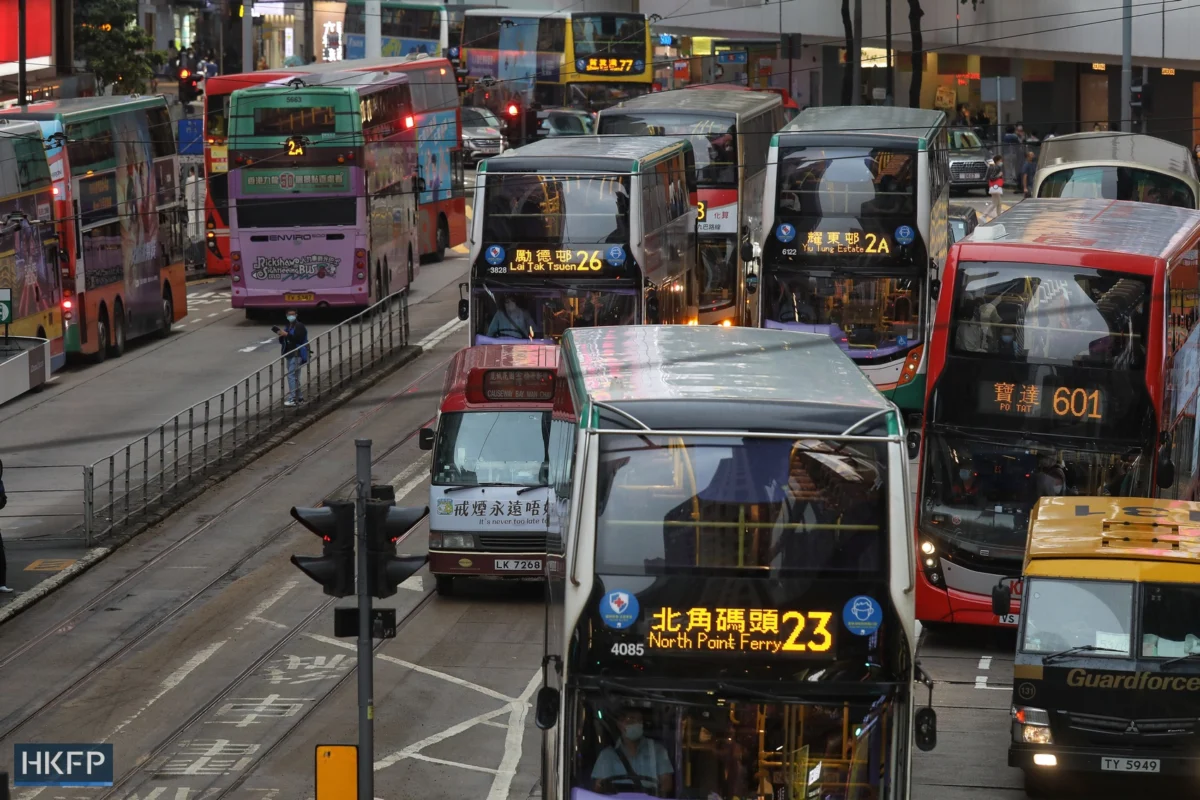
Hong Kong is embarking on an ambitious technological transformation with the planned rollout of a HK$200 million artificial intelligence (AI) "City Brain" system. Aimed at revolutionizing urban management and enhancing emergency response capabilities, the system has drawn attention and raised questions about potential privacy implications. Chief Secretary for Administration Eric Chan has stepped forward to directly address these concerns, assuring the public that the sophisticated AI infrastructure is strictly designed for optimizing city operations and not for surveillance purposes.

The announcement follows the delivery of Hong Kong’s first Five-Year Plan and the final Policy Address of Chief Executive John Lee’s term, underscoring the government’s strategic vision for the city’s future. Chan, who is spearheading the task force responsible for overseeing the City Brain project, clarified the system’s core objectives during a press conference. "It isn’t meant for surveillance," Chan stated emphatically, emphasizing that the technology’s focus is on "monitoring traffic and urban conditions, not monitoring individuals, crime, or catching thieves." This distinction is crucial as Hong Kong navigates the integration of advanced AI into its civic infrastructure.
Genesis and Vision of the City Brain
The concept of a "City Brain" is not entirely new, originating from Chinese tech giant Alibaba’s pioneering efforts in Hangzhou in 2017. Since its inception, the urban AI model has been adopted by numerous cities across mainland China and has even been implemented in Kuala Lumpur, Malaysia’s capital. The core promise of such systems is the centralization of real-time data from a diverse array of sources. These typically include CCTV cameras, various tracking systems, smart sensors deployed throughout the urban environment, existing government databases, public social media feeds, and data gleaned from mobile applications. By aggregating and analyzing this comprehensive dataset, the City Brain aims to achieve unprecedented levels of efficiency in managing critical urban functions.

The envisioned benefits extend to optimizing traffic light synchronization to alleviate congestion, streamlining waste management processes, and generally improving the responsiveness and effectiveness of various aspects of urban governance. For Hong Kong, a densely populated and dynamic metropolis, the potential for such a system to enhance quality of life and operational efficiency is significant. The goal is to move from reactive problem-solving to proactive management, anticipating issues before they escalate.
Addressing Privacy Concerns and Operational Focus
Chief Secretary Chan was particularly keen to allay fears that the City Brain could become a tool for mass surveillance. He explained the practical application of the system through a hypothetical scenario: "In the past, if a water pipe burst was detected, you’d wait for it to burst or get repaired. Now, it’s different. Through the city brain, this data is handed, for instance, to the Transport Department so they can deploy immediately." This highlights a shift towards leveraging data for rapid operational deployment and infrastructure maintenance, rather than for monitoring citizens.

The emphasis is on aggregated, anonymized data that provides insights into the pulse of the city’s operations. For instance, traffic flow data could help reroute emergency vehicles more efficiently during incidents, or sensor data could indicate potential infrastructure failures before they become critical. The system is designed to process vast amounts of information about the city’s physical and functional state, allowing for more informed and timely decision-making by relevant government departments. The aim is to create a more resilient and responsive urban environment that benefits all residents.
Phased Implementation and Long-Term Outlook
The development and deployment of Hong Kong’s City Brain system are planned to be a multi-year undertaking. The government has set a target to complete the initial phase of the system’s development by the first quarter of 2028. Subsequently, it is projected to take an additional six to nine years for the City Brain system to reach its full operational capacity, indicating a comprehensive and deliberate approach to its integration.

The initial phase will focus on integrating the digital infrastructure of the Security Bureau’s Emergency Monitoring and Support Centre. This foundational step will be followed by the prioritization of integrating several key departmental systems. These include the Civil Engineering and Development Department’s AI Landslip Warning System, the Drainage Services Department’s AI Flood Monitoring System, the Transport Department’s Real-time Traffic Signal Adjustment System, and the Highways Department’s Flood Early Warning System. This phased approach allows for the gradual build-up of capabilities and ensures that each component is robustly tested and integrated before moving to the next stage.
Furthermore, a significant development in enhancing inter-departmental coordination will be the establishment of a new "Inter-departmental Major Incident Platform" by the police force. This platform is designed to centralize real-time data from all units involved in handling major public incidents, ensuring a unified and informed response during critical situations. This move signifies a broader commitment to leveraging technology for improved public safety and emergency management across various government agencies.

Data Sources and Technological Foundation
The City Brain’s efficacy hinges on its ability to draw from a wide spectrum of data sources. This includes, but is not limited to:
- CCTV Cameras: Providing real-time visual information on traffic, public spaces, and potential incidents.
- Tracking Systems: Employed for monitoring the movement of public transport, emergency vehicles, and potentially city assets.
- Smart Sensors: Deployed across infrastructure like roads, bridges, and utility networks to monitor structural integrity, environmental conditions, and operational status.
- Government Databases: Accessing existing information on demographics, land use, infrastructure, and historical incident data.
- Social Media: Monitoring public sentiment and identifying emerging issues or concerns that may require attention.
- Mobile Applications: Potentially utilizing anonymized data from citizen-facing apps to understand movement patterns and demand for services.
By integrating these diverse data streams, the City Brain aims to create a holistic, real-time digital twin of Hong Kong, enabling predictive analysis and optimized resource allocation. This comprehensive data integration is key to unlocking the system’s full potential in managing the complexities of a modern megacity.

Broader Implications and Future Outlook
The implementation of the City Brain system represents a significant investment in Hong Kong’s technological future. The HK$200 million allocated signifies a commitment to modernizing urban infrastructure and enhancing public services through advanced technology. While the initial focus is on operational efficiency and emergency response, the long-term implications could extend to economic development, environmental sustainability, and citizen engagement.
The success of such a system relies heavily on robust data governance, transparent operational protocols, and continuous public engagement. As Hong Kong embraces this new era of AI-driven urban management, maintaining public trust will be paramount. The government’s proactive stance in addressing privacy concerns is a positive step in this direction. By clearly delineating the system’s purpose and ensuring strict adherence to privacy safeguards, Hong Kong aims to build a smarter, more efficient, and responsive city for all its residents, without compromising fundamental civil liberties. The coming years will be critical in observing how this ambitious project unfolds and its tangible impact on the daily lives of Hong Kong citizens. The journey towards a fully integrated AI-powered urban environment is a complex one, but one that holds the promise of a more resilient and intelligently managed city.


 Nana Wu
 Lina Irawan