Basiran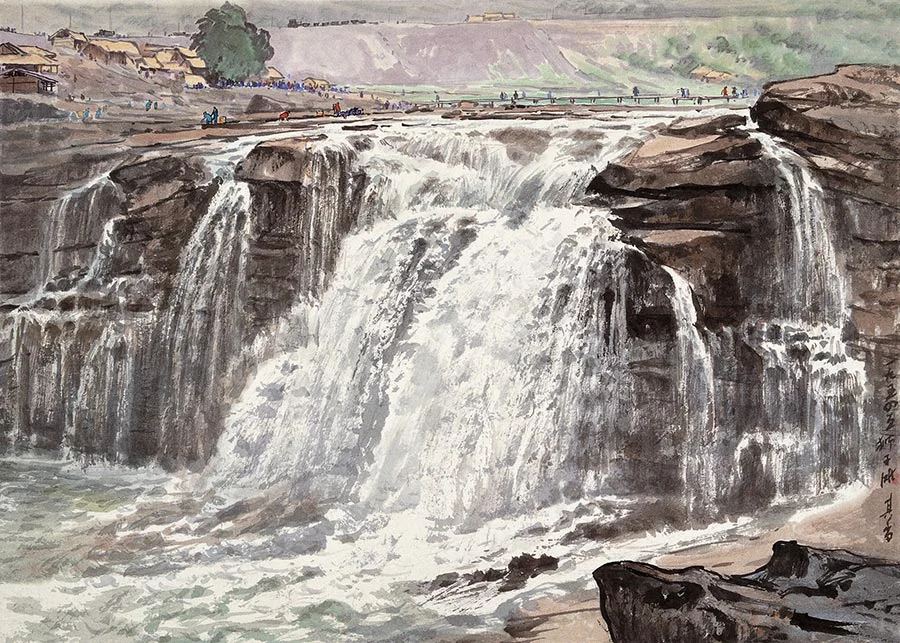
The National Art Museum of China (NAMOC) in Beijing has recently been enriched by a significant cultural contribution: a donation of 71 paintings from the esteemed family of Zong Qixiang (1917-1999), a pivotal figure in 20th-century Chinese art and a dedicated educator. This generous act represents the family’s second major contribution to the nation’s premier art institution, following their initial donation of 36 ink-brush paintings and watercolors in 2005. A curated selection of these newly donated artworks is currently gracing the walls of NAMOC in an exhibition that celebrates the profound artistic journey of Zong Qixiang, coinciding with the centennial anniversary of his birth.
![Zong Qixiang's family donates 71 paintings to NAMOC[1]- Chinadaily.com.cn](http://www.chinadaily.com.cn/culture/art/tplimages/99330.files/f_art.gif)
A Legacy Unveiled: The "Born to Painting" Exhibition
The exhibition, fittingly titled Born to Painting, offers a comprehensive retrospective of Zong Qixiang’s artistic evolution. Visitors are treated to a visual narrative that spans his prolific career, showcasing his mastery of traditional Chinese painting techniques alongside his innovative approaches. The collection highlights his most celebrated series, particularly his evocative ink-brush depictions of Chongqing’s nocturnal cityscape. These iconic works were born from a period of profound personal experience and national upheaval, as Zong sought refuge in Chongqing approximately 78 years ago during the arduous War of Resistance Against Japanese Aggressions (1931-1945).
Zong Qixiang’s unique interpretation of Chongqing at night is a testament to his artistic vision and technical prowess. He masterfully employed varying shades of ink, creating a palpable sense of depth and atmosphere. His adept use of the liubai (leaving blanks) technique was particularly groundbreaking in rendering the subtle gradations of brightness within the darkness of night. This method allowed him to capture the ephemeral shimmer of Chongqing’s countless lights, the organic layering of houses cascading down the city’s mountainous terrain, the rugged contours of its hilly paths, and the bustling, often chaotic, energy of its streets. The exhibition allows art enthusiasts to immerse themselves in these historical and artistic interpretations, gaining a deeper understanding of Zong’s connection to the city and his ability to translate lived experience into enduring art.
![Zong Qixiang's family donates 71 paintings to NAMOC[1]- Chinadaily.com.cn](http://www.chinadaily.com.cn/culture/art/tplimages/99330.files/w_art.gif)
The Artist and His Philosophy: A Life Dedicated to Nature and Critical Thought
Throughout his life, Zong Qixiang harbored a profound and unwavering love for nature, an emotion that invariably found its vibrant expression on his canvases. His passion extended beyond his personal artistic practice; he was a dedicated educator who profoundly influenced generations of artists. His pedagogical philosophy, as recounted by his students, emphasized the importance of individual perspective and critical inquiry. A widely cited quote attributed to him reveals his core belief: "If you see the world from the perspective of other people, without the critical thinking of yourself, you will end up being nobody." This powerful statement underscores his commitment to fostering independent thought and originality, encouraging his students to develop their unique artistic voices rather than merely imitating existing styles.
Chronology of a Generous Gift: The Zong Qixiang Family’s Contributions to NAMOC
The recent donation of 71 paintings marks a significant milestone in the ongoing relationship between the Zong Qixiang family and the National Art Museum of China. This act of cultural stewardship is not unprecedented.
![Zong Qixiang's family donates 71 paintings to NAMOC[1]- Chinadaily.com.cn](http://www.chinadaily.com.cn/culture/art/tplimages/99330.files/in_art.gif)
- 2005: The Zong Qixiang family makes their initial substantial donation to NAMOC, comprising 36 of the artist’s ink-brush paintings and watercolors. This gift immediately enhances the museum’s collection of modern Chinese art, providing valuable insights into Zong’s artistic development and thematic preoccupations.
- 2017 (specifically, December 5th): The family announces and executes the second, even larger, donation, adding 71 more artworks to NAMOC’s holdings. This second wave of donations significantly expands the museum’s capacity to showcase Zong’s oeuvre.
- Concurrent Exhibition: To commemorate the centennial of Zong Qixiang’s birth and to celebrate the recent donation, NAMOC launches the Born to Painting exhibition, featuring a selection of the newly acquired works. This exhibition runs through Sunday (from the article’s publication date).
This chronological progression highlights a sustained commitment from the Zong family to ensuring Zong Qixiang’s artistic legacy is preserved, studied, and appreciated by the public. Their decision to entrust these significant works to a national institution like NAMOC underscores the cultural importance they place on public access and artistic heritage.
Supporting Data and Context: The Significance of Zong Qixiang in Chinese Art History
Zong Qixiang (1917-1999) was a prominent figure in the landscape of 20th-century Chinese art. His career spanned a period of immense social and political transformation in China, and his art often reflected these historical currents.
![Zong Qixiang's family donates 71 paintings to NAMOC[1]- Chinadaily.com.cn](http://www.chinadaily.com.cn/culture/art/tplimages/99330.files/more_art.gif)
- Artistic Style: Zong was known for his distinctive blend of traditional Chinese ink painting techniques with Western artistic principles. He excelled in landscape painting, portraiture, and genre scenes, often imbuing his works with a sense of dynamism and emotional depth. His use of ink washes, his understanding of light and shadow, and his bold brushwork were hallmarks of his style.
- Educational Impact: Zong Qixiang was an influential educator, serving on the faculty of the prestigious Central Academy of Fine Arts (CAFA) in Beijing for many years. His teaching was characterized by a focus on rigorous training, critical thinking, and the development of individual artistic expression. Many prominent contemporary Chinese artists trace their foundational training to his tutelage.
- The Chongqing Series: The series of paintings depicting Chongqing’s night view holds particular significance. Created during a turbulent period of war, these works not only demonstrate Zong’s artistic skill but also serve as a historical document, capturing the spirit and atmosphere of a city under duress. The innovative use of liubai in these works contributed to his reputation as a modernist within the traditional framework of Chinese painting.
- Market Value and Institutional Recognition: While the article focuses on donation, it’s important to note that Zong Qixiang’s works are highly regarded in the art market and are held in major museum collections both within China and internationally. The consistent contributions from his family to NAMOC further solidify his standing as a canonical artist in Chinese art history. The 71 paintings donated represent a substantial addition to the national collection, potentially valued in the millions of renminbi, though the primary value lies in their cultural and artistic significance.
Official Responses and Inferred Reactions: NAMOC’s Perspective
While the article does not include direct quotes from NAMOC officials regarding the recent donation, it is reasonable to infer a profound sense of gratitude and appreciation. Such significant donations are invaluable to national museums, enabling them to:
- Enrich National Collections: Museums serve as custodians of national heritage. Donations of this magnitude allow institutions like NAMOC to acquire works of exceptional quality and historical importance that might otherwise be inaccessible due to acquisition budgets.
- Enhance Research and Education: The expanded collection of Zong Qixiang’s works will facilitate deeper scholarly research into his artistic techniques, influences, and contributions to Chinese art. It also provides invaluable resources for art education programs, allowing students and the public to engage directly with a master’s oeuvre.
- Broaden Public Access: Exhibitions such as Born to Painting directly translate these donations into public engagement. By showcasing these works, NAMOC fulfills its mission of making art accessible to a wider audience, fostering cultural appreciation and understanding.
The museum’s decision to immediately mount an exhibition of the donated works speaks volumes about the perceived significance of the collection and the artist. This proactive approach demonstrates their commitment to honoring the donor’s intent and sharing the artistic treasures with the public in a timely manner.
![Zong Qixiang's family donates 71 paintings to NAMOC[1]- Chinadaily.com.cn](http://www.chinadaily.com.cn/culture/art/tplimages/99330.files/app.gif)
Broader Impact and Implications: Preserving Cultural Heritage for Future Generations
The Zong Qixiang family’s consistent and substantial donations to NAMOC carry significant implications for the preservation and promotion of Chinese art and culture.
- Legacy Preservation: By entrusting these valuable artworks to a national institution, the family ensures that Zong Qixiang’s artistic legacy is preserved for posterity. This act protects the works from dispersal and ensures they remain accessible for future generations of scholars, artists, and the general public.
- Inspiring Philanthropy: Such generous acts of cultural philanthropy can serve as an inspiration to other art collectors and families. It highlights the crucial role private individuals play in augmenting public collections and supporting the cultural landscape of a nation.
- Strengthening Cultural Diplomacy: The prominence of Zong Qixiang’s work and its presence in a national museum can also contribute to China’s cultural diplomacy efforts. These artworks serve as ambassadors of Chinese artistic achievement on the global stage.
- Art Historical Scholarship: The availability of such a comprehensive collection will undoubtedly stimulate further art historical research. Scholars can now undertake more in-depth studies of Zong’s creative process, thematic development, and his position within the broader context of modern Chinese art history. The inclusion of works from different periods of his life will allow for a more nuanced understanding of his artistic journey and evolution.
The donation and subsequent exhibition of Zong Qixiang’s paintings at NAMOC are not merely the acquisition of art; they represent a profound commitment to cultural heritage, artistic education, and the enduring power of creative expression. The family’s foresight in contributing to the nation’s artistic treasury ensures that Zong Qixiang’s vision and talent will continue to inspire and educate for years to come.

 Asep Darmawan
 Rifan Muazin