Muslim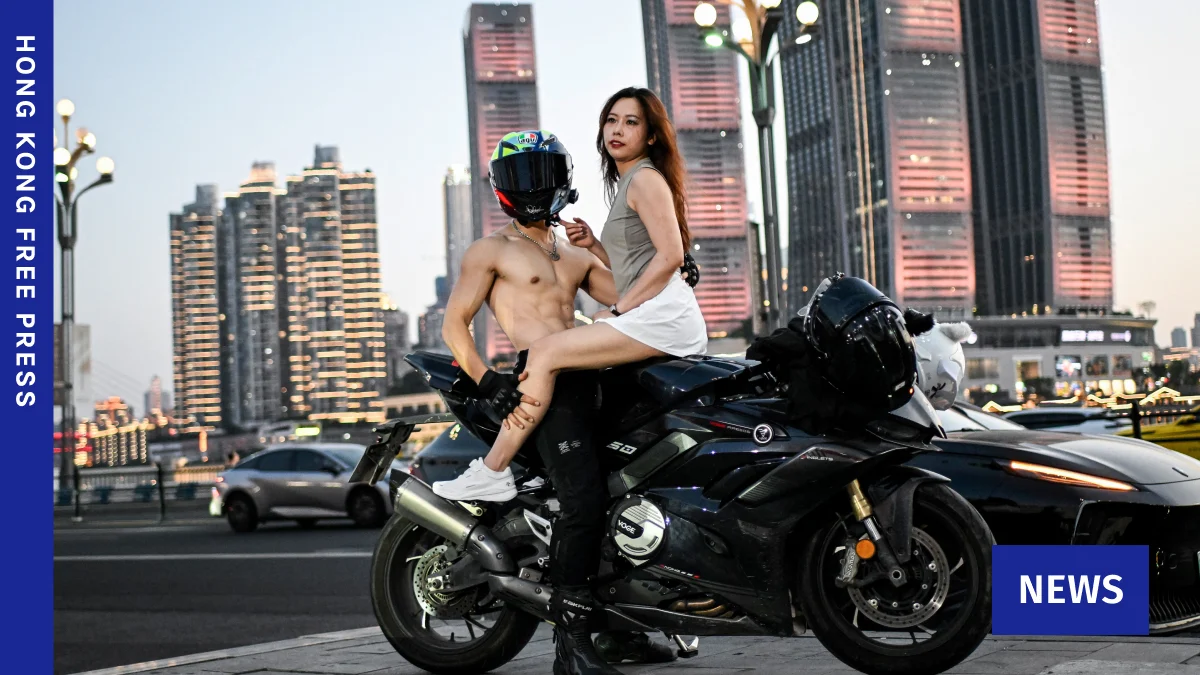
The vibrant megacity of Chongqing, China, has become an unlikely epicenter for a booming motorcycle tourism industry, where the nocturnal roar of powerful engines now signifies not just transportation but a unique, immersive experience for visitors seeking a personalized slice of the city’s celebrated "cyberpunk" aesthetic. Tourists, often traveling from distant provinces and even overseas, are flocking to Chongqing to participate in bespoke video shoots, clambering onto gleaming superbikes, and clinging to muscular drivers as they are expertly choreographed through the city’s neon-drenched streets. This burgeoning trend, fueled by viral social media content, has rapidly transformed a local passion into a significant economic driver and a distinctive feature of Chongqing’s modern identity.
Teams of enterprising local riders, often equipped with professional videography gear, actively hawk their filming services to passersby, especially along popular scenic routes. Many of these prospective customers have been drawn to Chongqing specifically by the captivating short-form videos circulating on platforms like Douyin, China’s ubiquitous version of TikTok, which showcase the city’s dramatic, multi-layered urban landscape illuminated against the night sky, often with a powerful motorcycle as the central element. This fusion of high-octane motorcycling and cinematic urban scenery has created a potent draw, attracting a diverse clientele eager to star in their own personalized action clips.
Liu Changqing, a 30-year-old visitor from Shanghai, exemplifies the dedication of these tourists. "I flew from Shanghai to Chongqing this morning, and the first priority is this shoot," she told AFP, dressed in one of the heavy motorcycle jackets commonly rented to customers, despite the prevailing sweltering heat. She highlighted the comprehensive nature of the service, noting, "They even have make-up artists to help you," before mounting a crimson superbike, wrapping her arms around her driver, and speeding off into the night with a videographer in close pursuit, capturing every moment. This level of curated experience, from wardrobe to professional filming, underscores the sophistication of the emerging industry.
The Genesis of a Viral Phenomenon
While many major Chinese cities have implemented stringent restrictions on motorcycling, often citing traffic congestion and environmental concerns, Chongqing has notably embraced it, carving out a reputation as a veritable biker’s paradise. The city’s unique mountainous terrain, characterized by steep inclines, winding roads, and a multi-tiered urban sprawl, naturally lends itself to the exhilaration of two-wheeled travel. What began as an organic trend of local riders casually snapping photos and videos of each other to share online exploded into a national sensation last year, coinciding with a significant spike in tourism to the sprawling mega-city, home to approximately 32 million residents in its wider municipality.

The sheer scale of this digital phenomenon is staggering. Videos utilizing hashtags directly related to Chongqing’s motorcycle trend have collectively garnered an astonishing 1.3 billion views on Douyin. This unprecedented social media engagement has been instrumental in catapulting Chongqing’s motorcycle culture from a local subculture to a phenomenon of national prominence, even achieving recognition and drawing interest from overseas audiences, as evidenced by the increasing number of international tourists seeking out the experience. The rapid dissemination of these visually striking videos has effectively served as a highly effective, grassroots marketing campaign for the city.
Chongqing’s Deep-Rooted Biking Heritage
The ubiquity of motorcycles in Chongqing is not merely a recent social media construct; it is deeply interwoven with the city’s industrial history and unique geographical characteristics. Zhang Yuanming, a 29-year-old motorbike enthusiast and instructor, articulated a popular local saying: "There is a local saying that if you put a camera at an intersection in Chongqing, every 30 seconds you’ll see a motorcycle pass by." This anecdotal observation vividly illustrates the pervasive presence of motorbikes in daily life.
Zhang attributes the enduring popularity of biking in Chongqing to a confluence of factors: the significant prevalence of motorcycle manufacturers within the city, its rugged and challenging terrain, and the perennial issue of urban traffic congestion. Chongqing has been a pivotal industrial hub for decades, with its motorcycle manufacturing legacy dating back to 1979. It was in that year that Jialing, a state-owned military equipment manufacturer, diversified its operations to begin producing civilian motorcycles within the city. This strategic pivot laid the groundwork for Chongqing’s emergence as a dominant force in the national motorcycle industry.
Following Jialing’s pioneering efforts, motorbikes quickly became an indispensable mode of transport for residents navigating Chongqing’s complex topography. Today, the city accounts for more than a third of China’s total motorbike production, a testament to its sustained industrial prowess in the sector. While many other Chinese urban centers have largely transitioned to electric scooters, often due to fewer regulatory hurdles and quieter operation, Chongqing has steadfastly maintained its openness to petrol-powered two-wheelers. This policy stance, whether intentional or incidental, has preserved and nurtured a vibrant motorcycle culture that sets it apart from its counterparts.
From Local Tracks to Global Recognition

The city’s strong manufacturing base and enthusiastic riding community create a fertile ground for further growth and recognition. Zhang Yuanming, who dedicates his time to teaching students the intricacies of motorcycle racing at a track on the city’s outskirts, expresses optimism that the current tourism boom will further burnish Chongqing’s reputation as a premier biking destination. He envisions a virtuous cycle: "When [tourists] take photos and videos, they may come to like motorbikes and learn to ride, then buy a bike," he posited, highlighting the potential for the trend to convert temporary visitors into long-term enthusiasts and consumers.
Recent achievements on the global stage have also contributed to this renewed interest. Zhang noted a significant increase in student inquiries since March, when local brand ZXMoto made international headlines. ZXMoto achieved a historic milestone by becoming the first Chinese manufacturer to secure a victory in the prestigious WorldSSP (World Supersport) class in Portugal. This triumph resonated deeply within the domestic biking community, injecting a surge of national pride and inspiring a new generation. "It’s pushing young people to get in touch with motorcycles," Zhang observed, indicating a palpable shift in youth engagement with the sport and culture. This synergy between local industry success and social media-driven tourism is creating a powerful brand identity for Chongqing.
A Roaring Business Opportunity for Local Riders
For the scores of local bikers who have transitioned into offering these unique video services for tourists, Chongqing’s established motorcycle prowess represents a significant and unexpected business opportunity. These services are far from simple photo ops; they are carefully curated experiences. Packages, which typically include choreographed photos and dynamic video clips – often featuring customers being "swept off their feet" by dashing riders and cruising past the city’s iconic landmarks in slow motion – generally cost upwards of 200 yuan (approximately $30 USD). This pricing structure reflects the professional nature of the service, encompassing the bike, rider’s time, filming equipment, and post-production editing.
Li Yan, a 26-year-old rider, recounted the organic evolution of his venture. "We used to just make short videos of ourselves. Later other people saw that we looked pretty handsome so they started wanting to sit on the back," he explained to AFP. What began as an informal request quickly scaled into a lucrative enterprise, with Li now earning up to 1,000 yuan a night from his customers. This entrepreneurial spirit is widely replicated, transforming a recreational activity into a viable source of income for many young residents.
Li’s initial individual effort has blossomed into a collaborative team of seven members. This expanded operation encompasses various specialized roles: online advertising and direct sales to passersby, the skilled driving of the motorbikes, and the meticulous editing of the captured footage. Each rider within the team typically attracts between six and 12 customers per night, demonstrating the high demand for these personalized experiences. This structured approach, leveraging both digital marketing and on-the-ground sales, highlights the adaptability and business acumen of these young entrepreneurs.

Global Reach and Sustained Appeal
While domestic interest might have peaked somewhat since the craze’s initial explosion last year, the phenomenon has found new impetus and sustained growth through international tourism. Foreign visitors now constitute a significant proportion of the clientele, accounting for approximately one-third of customers each evening. This increasing international appeal is directly linked to the global dissemination of the trend through platforms like Instagram and TikTok, proving the universal allure of dramatic visuals and unique travel experiences.
Alex Schodorowska, a 29-year-old tourist visiting from Britain, articulated this global draw, stating, "I saw it was a ‘must do’ in Chongqing," having discovered the trend on Instagram. Her observation points to the power of social media in shaping modern travel itineraries. As she patiently awaited her turn for a ride, she emphasized the unique visual appeal of Chongqing: "There’s nowhere with a view like this, with all the lights. I don’t think many places could have the same effect for video." Her sentiment underscores the critical role of Chongqing’s distinct urban aesthetics – its soaring skyscrapers, dramatic bridges, and intricate network of elevated roads – in making this motorcycle video trend uniquely compelling and difficult to replicate elsewhere.
Broader Economic and Cultural Implications
The motorcycle tourism boom in Chongqing carries significant broader implications beyond individual rider earnings. Economically, it injects substantial revenue into the local economy, not only through the direct payment for video services but also by stimulating related sectors such as hospitality, food and beverage, and retail. Tourists like Liu Changqing travel from afar, requiring accommodation, meals, and other services, creating a ripple effect that benefits numerous small and medium-sized enterprises. This niche tourism also contributes to Chongqing’s overall branding as a dynamic, modern, and exciting destination, potentially attracting other forms of investment and tourism.
Culturally, the trend is reshaping perceptions of motorcycling in China. Historically, motorcycles have sometimes been associated with working-class transport or even delinquency in some urban contexts. However, Chongqing’s embrace, coupled with the aspirational and glamorous portrayal on social media, elevates motorcycling to a symbol of freedom, style, and adventure. The success of ZXMoto on the international racing circuit further reinforces this positive image, inspiring younger generations to view motorcycling as a legitimate sport and a desirable lifestyle. This shift in perception could lead to increased participation in motorcycle sports, greater demand for quality bikes, and a more robust subculture.

Challenges and the Road Ahead
Despite the undeniable success and vibrancy of this trend, it is not without potential challenges. As with any activity involving high-powered vehicles in an urban environment, safety remains a paramount concern. The choreographed nature of the video shoots, often involving high speeds and navigating city traffic, necessitates strict adherence to safety protocols for both riders and passengers. Local authorities may need to consider specific regulations or guidelines to ensure participant safety without stifling the burgeoning industry. Traffic management, noise pollution, and environmental considerations related to petrol-powered bikes in a rapidly urbanizing city could also become areas of focus as the trend matures.
Moreover, the sustainability of such a social media-driven phenomenon is always a consideration. While current international interest is robust, social media trends can be fickle. The industry will need to innovate and adapt to maintain its appeal, perhaps by offering new routes, themes, or technological enhancements to the experience.
In conclusion, Chongqing’s transformation into a motorcycle tourism hotspot is a compelling case study of how industrial heritage, unique urban geography, and the immense power of social media can converge to create a novel economic and cultural phenomenon. From its roots in local manufacturing and rider enthusiasm to its current status as a global social media sensation, the city’s roaring engines symbolize not just a thrilling ride, but a vibrant testament to modern urban innovation and entrepreneurial spirit in China. The road ahead for Chongqing’s biker paradise promises continued excitement, provided stakeholders can skillfully navigate the challenges inherent in such rapid growth and popularity.

 Evan Lee Salim
 Jia Lissa