Suro Senen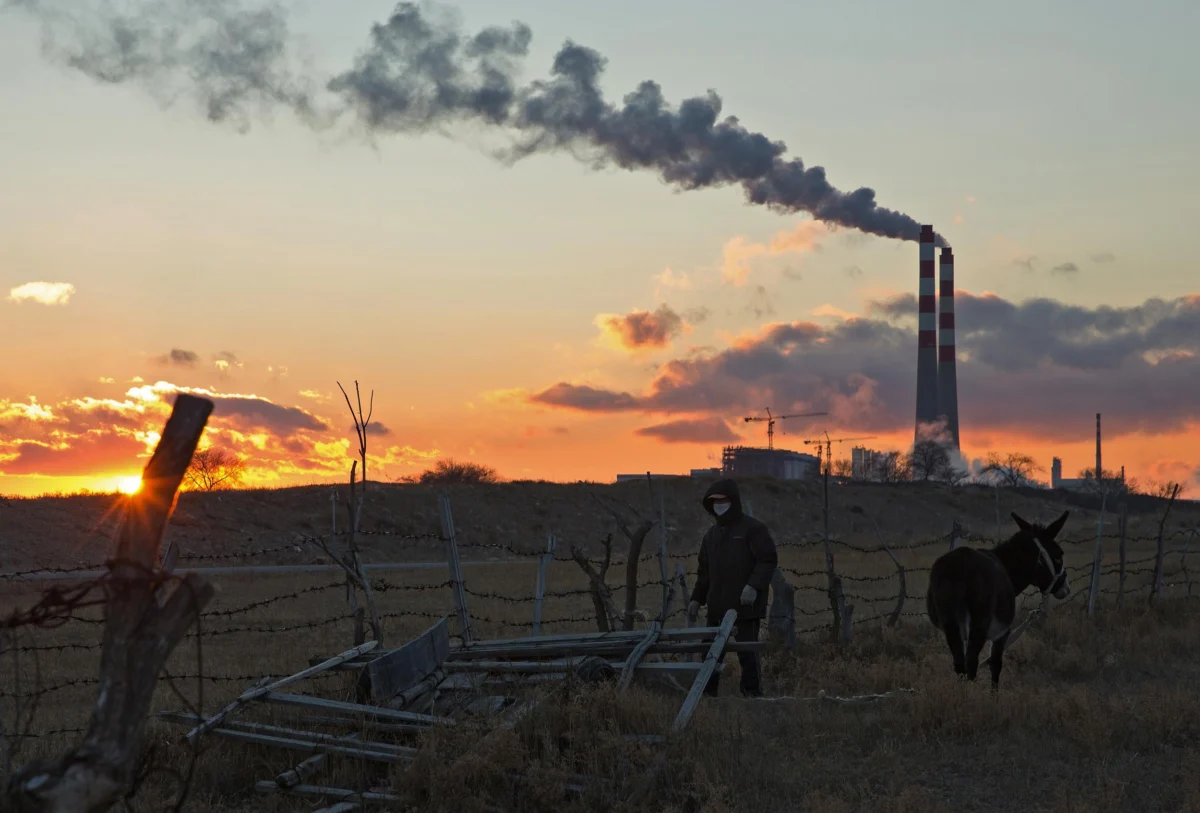
Beijing – For the first time in recorded history, coal-fired power plants generated less than half of China’s total electricity output during the first six months of 2026, a significant milestone underscoring the nation’s accelerating transition towards cleaner energy sources. The figures, released by official energy statistics agencies and analyzed by environmental organizations, indicate a pivotal moment in China’s long-standing reliance on coal for its immense energy demands.
The proportion of electricity generated from coal fell to 49.7% in the first half of 2026, a decrease from 52.3% in the same period of 2025 and a substantial drop from over 60% just a decade prior. This shift is largely attributed to the rapid expansion of renewable energy sources, particularly solar and wind power, which have seen unprecedented investment and deployment in recent years.
Gao Yuhe, Beijing-based project lead for Greenpeace East Asia, commented on the development, stating, "This is another step in coal’s decline in China, and there’s still a way to go. Solar and wind play a central role in outcompeting and displacing coal. But solar and wind generation is still only at 25%. Stronger targets for solar and wind generation will have a knock-on effect to further undercut coal. China’s current 2030 target for wind and solar is 30%, but we can easily hit 33% by 2028. Without stronger targets, coal will linger in the interim. Rooftop solar and energy storage are the key sectors to watch over the next few years. In high energy demand provinces on the eastern seaboard, rooftop solar and battery deployment offer local solutions to meet peak electricity demand."
Historical Context: China’s Evolving Energy Landscape
China’s journey to this point has been a complex and often contradictory one. For decades, coal has been the bedrock of its economic development, fueling industrial growth and powering cities. The sheer scale of China’s energy consumption, the largest in the world, meant that coal was not only abundant and relatively inexpensive but also crucial for ensuring energy security. However, this reliance came at a significant environmental cost, contributing heavily to air pollution in major urban centers and making China the world’s largest emitter of greenhouse gases.
Recognizing the dual challenges of environmental degradation and the need for sustainable development, China’s government began to pivot its energy strategy in the late 2000s and early 2010s. Initially, this involved efforts to improve the efficiency of coal-fired power plants and promote cleaner coal technologies. However, the true transformation began with ambitious investments in renewable energy.
By the early 2020s, China had emerged as the global leader in renewable energy capacity, driven by strong government support, technological advancements, and a desire to reduce its carbon footprint. Subsidies, favorable policies, and massive manufacturing capabilities propelled solar panel and wind turbine production to unprecedented levels. This surge in renewables directly began to challenge coal’s dominance, not just in new capacity additions but also in actual electricity generation.
Supporting Data and Trends
The decline in coal’s share of electricity generation is supported by several key trends:
- Rapid Renewable Capacity Growth: China has consistently exceeded its renewable energy targets. In 2025 alone, it added a record-breaking amount of solar and wind capacity, surpassing previous annual records. This aggressive expansion has not only contributed to the generation figures but also driven down the cost of renewable energy, making it increasingly competitive with coal.
- Increased Operational Efficiency of Renewables: As the integration of renewables into the grid has improved, so too has their reliability and contribution to baseload power. Advances in grid management, energy storage solutions, and forecasting technologies have allowed for a greater and more consistent utilization of solar and wind power.
- Shifting Policy Focus: While coal remains a part of China’s energy mix, government policy has increasingly prioritized renewables and other low-carbon sources. The nation’s commitments to peak its carbon emissions before 2030 and achieve carbon neutrality by 2060 necessitate a significant and sustained reduction in coal’s role.
- Decommissioning of Older Coal Plants: Alongside the build-out of renewables, China has also been gradually phasing out older, less efficient, and more polluting coal-fired power plants. This strategic retirement further contributes to the shrinking share of coal in the overall generation mix.
According to data from the National Energy Administration, the total installed capacity of solar and wind power in China surpassed 1.5 terawatts by the end of 2025, a significant leap from just under 1 terawatt at the end of 2023. This massive capacity translates directly into generation, with renewables contributing an increasingly larger share of the grid’s electricity.
Expert Analysis and Future Projections
The milestone of coal falling below 50% is viewed by many energy analysts as a critical turning point. While it signifies progress, the commentary from Greenpeace East Asia highlights that the transition is far from complete.
Gao Yuhe’s statement emphasizes that while solar and wind are making significant inroads, their current contribution to overall generation at 25% still leaves considerable room for growth. The projected 33% by 2028, if achievable with stronger targets, would accelerate the displacement of coal. The urgency stems from the fact that even as renewables expand, new coal capacity is still being brought online in some regions, albeit at a slower pace than before. Without a more aggressive push for renewables, these coal plants could continue to operate for decades, hindering China’s climate goals.
The focus on rooftop solar and energy storage is particularly insightful. These distributed energy resources offer localized solutions to meet peak demand, reducing the need for large, centralized fossil fuel power plants. Provinces with high energy demand, often located in the economically developed eastern coastal regions, can benefit immensely from these technologies. Rooftop solar installations can alleviate strain on the grid during peak hours, while battery storage can store excess renewable energy generated during off-peak times, releasing it when demand is highest. This approach not only enhances energy security but also empowers local communities and businesses.
Potential Implications and Broader Impact
The continued decline of coal’s share in China’s electricity generation has far-reaching implications, both domestically and internationally:
- Environmental Benefits: A reduced reliance on coal directly translates to lower emissions of greenhouse gases, sulfur dioxide, nitrogen oxides, and particulate matter. This will lead to improved air quality in many Chinese cities, with positive impacts on public health and reduced healthcare costs. Globally, it contributes to the fight against climate change.
- Economic Diversification: The growth of the renewable energy sector creates new industries, jobs, and investment opportunities. China’s dominance in solar panel and wind turbine manufacturing is likely to be further solidified, while advancements in energy storage and smart grid technologies will open up new avenues for innovation and economic growth.
- Energy Security: While coal has historically been seen as a source of energy security due to domestic availability, a diversified energy mix, including renewables and energy storage, can enhance resilience against supply chain disruptions and price volatility associated with fossil fuels.
- Global Climate Leadership: China’s success in transitioning its energy sector reinforces its position as a key player in global climate negotiations. Its actions set a precedent and can encourage other nations to accelerate their own decarbonization efforts.
However, challenges remain. The intermittent nature of solar and wind power requires significant investment in grid infrastructure and energy storage to ensure a stable and reliable electricity supply. The transition also poses economic and social challenges for regions heavily dependent on coal mining and power generation, necessitating policies for a just transition for affected workers and communities.
Official Responses and Future Outlook
While the specific reactions from Chinese government ministries to the 49.7% figure have not been detailed in the initial report, official statements in recent years have consistently highlighted the nation’s commitment to its renewable energy targets and its broader climate goals. The National Development and Reform Commission (NDRC) and the National Energy Administration (NEA) are the primary bodies responsible for energy policy and have repeatedly emphasized the importance of scaling up clean energy.
It is highly probable that the government will view this milestone as validation of its current policies, while also recognizing the need to maintain momentum. Future policy announcements are likely to focus on further increasing renewable energy targets, streamlining permitting processes for renewable projects, and investing in grid modernization and energy storage. The emphasis on rooftop solar and distributed generation, as highlighted by Greenpeace, aligns with the government’s stated goals of promoting cleaner energy at the local level.
The coming years will be crucial in determining the pace of China’s decarbonization. The continued decline of coal’s share in electricity generation is a positive indicator, but sustained policy support, technological innovation, and ambitious targets will be essential to ensure that the transition accelerates and fully aligns with China’s long-term climate commitments. The trend suggests that the era of coal’s undisputed dominance in China’s power sector is definitively drawing to a close.


 Asro
Asro
 Sagoh
Sagoh