Ammar Sabilarrohman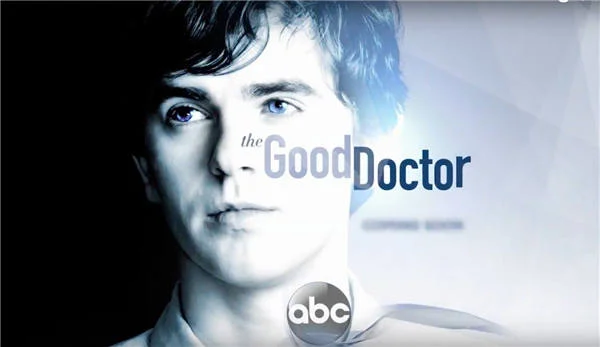
The acclaimed television series, The Good Doctor, has rapidly ascended to become a significant cultural phenomenon, captivating audiences worldwide with its compelling narrative and groundbreaking portrayal of a surgical prodigy on the autism spectrum. The show, which premiered on ABC, centers on Dr. Shaun Murphy, portrayed with remarkable depth by Freddie Highmore. Murphy, a young surgeon with autism and savant syndrome, joins the prestigious San Jose St. Bonaventure Hospital. His exceptional medical acumen is undeniable, yet his unique cognitive and social differences present formidable challenges, sparking debate and initial skepticism among his colleagues.
The premise of The Good Doctor hinges on the inherent conflict between Dr. Murphy’s extraordinary surgical talent and the preconceived notions and anxieties of a medical establishment grappling with his neurodivergence. While many on the hospital staff initially perceive his autism and savant syndrome as insurmountable risks, Murphy consistently proves them wrong through his diagnostic brilliance, innovative problem-solving, and unwavering dedication to patient care. The series masterfully weaves together elements of medical mystery, interpersonal drama, and heartfelt emotion, resonating deeply with a broad spectrum of viewers.
This resonance is evidenced by the show’s considerable ratings success. The Good Doctor has emerged as a ratings behemoth for ABC, securing its position as the top new drama series of the fall television season. This widespread viewership indicates a significant public appetite for stories that challenge conventional narratives and offer nuanced representations of individuals with disabilities. The show’s popularity transcends mere entertainment, fostering a broader conversation about neurodiversity and its implications within professional settings.
A Chronicle of Success and Growing Acclaim
The journey of The Good Doctor from concept to primetime hit is a testament to strategic development and compelling storytelling. The series is based on the South Korean television drama of the same name, created by Park Jae-bum. The American adaptation, developed by David Shore, premiered on September 25, 2017. From its inception, the show aimed to present a fresh perspective on medical dramas by centering a protagonist with autism.
Early Reception and Critical Discourse:
Initial critical reviews were mixed, with some publications acknowledging the show’s emotional impact while others expressed reservations about its perceived sentimentality. The New York Times, for instance, noted the show’s "heartfelt mix of melodrama and medical mystery" while also suggesting that some critics found its portrayal "too sentimental." However, this very sentimentality, coupled with the raw, unvarnished emotion inherent in Dr. Murphy’s journey, appears to be a key driver of its appeal to a wider audience.
Ratings and Audience Engagement:
The show’s premiere episode garnered impressive viewership numbers, immediately signaling its potential. Over its initial run, The Good Doctor consistently ranked among the most-watched programs in its timeslot. Its success can be attributed to several factors:
- Compelling Character Development: Freddie Highmore’s nuanced portrayal of Dr. Shaun Murphy has been universally praised. He navigates the complexities of autism with sensitivity and authenticity, earning critical acclaim and an Emmy nomination for his performance. The character’s journey of growth, both professionally and personally, allows viewers to connect with him on a profound level.
- Strong Ensemble Cast: The supporting cast, including Richard Schiff as Dr. Aaron Glassman, Beau Garrett as Jessica Preston, and Nicholas Gonzalez as Dr. Neil Melendez, provides a robust framework for Dr. Murphy’s interactions and development. Their varying perspectives on his abilities and integration into the hospital create compelling dramatic tension.
- Effective Blend of Genres: The Good Doctor successfully blends the procedural elements of a medical drama with the emotional depth of character-driven storytelling. Each episode presents a new medical challenge, allowing Dr. Murphy to showcase his unique diagnostic skills, while also exploring his struggles with social interaction, building relationships, and navigating the complexities of human emotions.
- Timely Social Relevance: In an era of increasing awareness and advocacy for neurodiversity, The Good Doctor arrives at a crucial moment. The show provides a platform for understanding and empathy, challenging stereotypes and demonstrating the valuable contributions individuals with autism can make to society.
Key Milestones and Awards Recognition:
The show’s impact has been recognized through numerous awards and nominations. Freddie Highmore’s performance has been a consistent highlight, earning him Golden Globe and Emmy nominations. The series itself has been nominated for various accolades, underscoring its critical and popular appeal.
Supporting Data and Societal Impact
The success of The Good Doctor is not merely a reflection of entertainment value; it carries significant societal implications. The show’s consistent viewership, averaging millions of viewers per episode, provides a powerful platform for deconstructing stereotypes surrounding autism.
Understanding Autism Spectrum Disorder (ASD):
Autism Spectrum Disorder is a complex developmental disability that affects how a person behaves, interacts with others, communicates, and learns. It is characterized by a range of conditions, differing in severity and presentation. Savant syndrome, as depicted in the show, is a rare condition where individuals with developmental disorders possess extraordinary abilities in specific areas, such as memory, calculation, artistic talent, or musical ability.
- Prevalence: According to the Centers for Disease Control and Prevention (CDC), approximately 1 in 54 children in the United States is diagnosed with autism spectrum disorder. This highlights the significant number of individuals and families directly or indirectly impacted by ASD.
- Challenges and Strengths: Individuals with autism often face challenges in social communication and interaction, and may exhibit restricted or repetitive behaviors and interests. However, many also possess remarkable strengths, including exceptional attention to detail, logical thinking, intense focus, and unique problem-solving abilities, which The Good Doctor effectively showcases through Dr. Murphy.
The "Autism on Screen" Dialogue:
The Good Doctor has ignited a vital conversation about the portrayal of autism in media. For decades, characters with autism were often depicted with exaggerated traits, presented as solely objects of pity or as mere plot devices. This series, however, strives for a more nuanced and authentic representation.
- Positive Representation: By portraying Dr. Shaun Murphy as a highly competent and valuable member of the surgical team, the show challenges the misconception that autism is solely a deficit. It demonstrates that with appropriate support and understanding, individuals on the autism spectrum can excel in demanding professions.
- Empathy and Education: Viewers who may have limited exposure to autism are provided with an opportunity to develop empathy and gain a better understanding of the condition. The show allows audiences to witness the world through Dr. Murphy’s unique perspective, fostering a greater appreciation for neurodiversity.
- Impact on Advocacy: Autism advocacy groups have largely welcomed The Good Doctor for its efforts to promote positive representation. While acknowledging that no single portrayal can encompass the full spectrum of autistic experiences, they recognize the show’s potential to foster greater societal acceptance and inclusion.
Economic Impact and Media Trends:
The commercial success of The Good Doctor has also had an impact on the television industry. Its ratings performance demonstrates a clear audience interest in diverse and inclusive storytelling. This trend has encouraged other networks and streaming services to explore similar narratives, potentially leading to a more diverse landscape of television programming. The show’s ability to attract a broad demographic, including younger viewers, further underscores its marketability and influence.
Official Responses and Industry Perspectives
While the show is a fictional narrative, its impact has drawn commentary from various stakeholders.
Creator and Cast Statements:
David Shore, the show’s executive producer and developer, has consistently emphasized the importance of authentic representation. He has spoken about consulting with individuals on the autism spectrum and with autism experts to ensure a respectful and accurate portrayal. Freddie Highmore has also expressed his commitment to portraying Dr. Murphy with sensitivity, drawing on extensive research and consultations. He has often stated that his goal is to portray Shaun as a person, first and foremost, whose autism is a part of him, not his sole defining characteristic.
Medical Professionals and Autism Advocates:
Many medical professionals have lauded the show for its ability to spark conversations about neurodiversity in the workplace. They acknowledge the challenges faced by individuals with autism in professional settings but also highlight the potential for growth and success with appropriate accommodations and understanding.
Autism advocacy organizations have generally expressed appreciation for the show’s efforts to destigmatize autism. While some have offered constructive feedback on specific aspects of the portrayal, the overall sentiment is that The Good Doctor is a positive step forward in media representation. They emphasize the importance of continued dialogue and collaboration between Hollywood and the autistic community to ensure accurate and empowering storytelling.
Broader Impact and Future Implications
The Good Doctor‘s success signifies a potential paradigm shift in how neurodiversity is perceived and depicted in mainstream media. The show’s ability to resonate with a global audience suggests a growing universal appreciation for stories that champion empathy, understanding, and the inherent value of every individual.
Challenging Stereotypes:
The series actively works to dismantle harmful stereotypes about autism. By presenting Dr. Murphy as a brilliant surgeon, the show refutes the notion that individuals with autism are inherently incapable of high-achieving careers. It highlights their potential to contribute significantly to society when given the opportunity and appropriate support.
Fostering Empathy and Inclusion:
Beyond its entertainment value, The Good Doctor serves as a powerful educational tool. It allows viewers to witness the world through a different lens, fostering empathy and a deeper understanding of the experiences of individuals on the autism spectrum. This increased awareness can translate into greater inclusivity in schools, workplaces, and communities.
Inspiring Future Storytelling:
The show’s commercial and critical success is likely to encourage further exploration of diverse characters and narratives in television. It demonstrates that audiences are receptive to stories that challenge conventions and promote a more inclusive and representative media landscape. This could pave the way for more authentic portrayals of other underrepresented groups.
The Long-Term Influence:
As The Good Doctor continues its run, its impact will be measured not only by its ratings but also by its lasting influence on societal perceptions and attitudes towards autism. By humanizing and celebrating the unique abilities of Dr. Shaun Murphy, the series is contributing to a more informed, empathetic, and inclusive world, one episode at a time. Its ongoing narrative promises to further explore the complexities of human connection, professional ambition, and the transformative power of acceptance.


 Asep Darmawan
 Rifan Muazin