
 Azzam Bilal Chamdy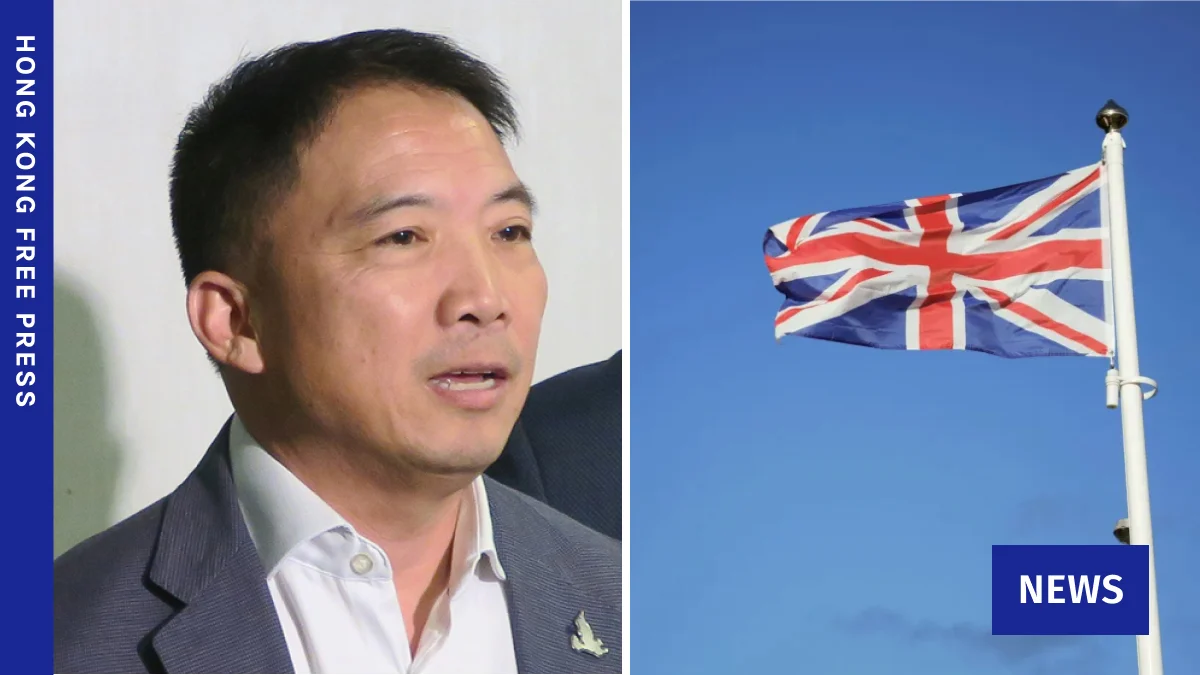
London has confirmed that it will not deport former Hong Kong lawmaker Wu Chi-wai, who experienced entry complications upon arriving in the United Kingdom using his British National Overseas (BNO) passport. The decision follows an initial period of immigration bail and a subsequent six-month stay granted after intervention from supporters. This development underscores the complexities of immigration policy concerning individuals with convictions under Hong Kong’s national security law and highlights ongoing concerns about the treatment of political exiles.

Background of Wu Chi-wai’s Conviction and BNO Status
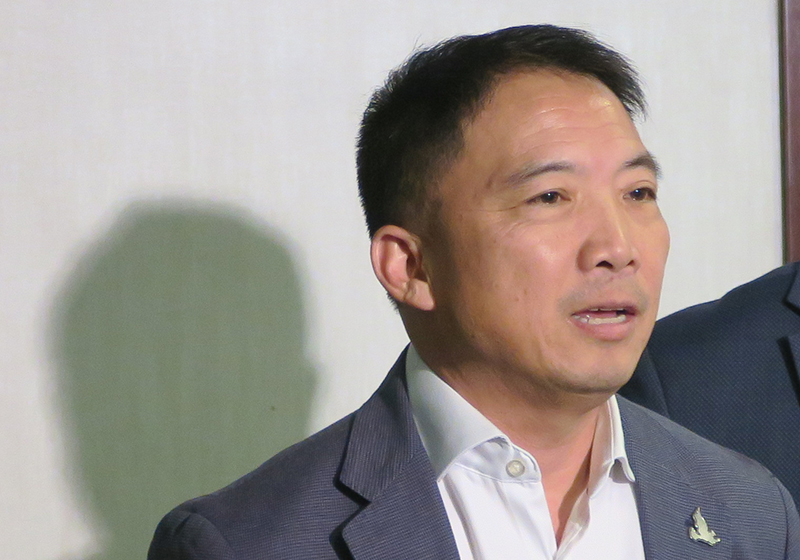
Wu Chi-wai, a prominent figure in Hong Kong’s pro-democracy movement and former chairman of the now-disbanded Democratic Party, was convicted under the Beijing-imposed national security law. The charge was conspiracy to subvert state power, stemming from his alleged involvement in an unofficial pro-democracy legislative primary election held in July 2020. Wu, aged 63 at the time of the original reporting, was sentenced to four years and five months in prison for these charges. His conviction placed him among the 47 democrats who faced similar accusations, representing a significant crackdown on political dissent in the former British colony.
The United Kingdom established the BNO settlement route in January 2021. This policy was a direct response to the implementation of the national security legislation in Hong Kong, which the UK government deemed a breach of the Sino-British Joint Declaration. China subsequently announced that it would no longer recognize BNO passports for its citizens, complicating travel and immigration for many Hong Kongers. The BNO visa pathway offers a route to residency and eventual citizenship for eligible Hong Kong residents, providing a lifeline for those seeking to leave the city amidst increasing political repression.
Entry Hiccups and UK Government Intervention
Wu Chi-wai’s arrival in the UK in late July led to a period of uncertainty. He was detained at London Heathrow Airport and initially granted only a seven-day immigration bail after a substantial 10-hour detention at the border. This short period of bail raised immediate concerns among his supporters and human rights advocates about the possibility of deportation.
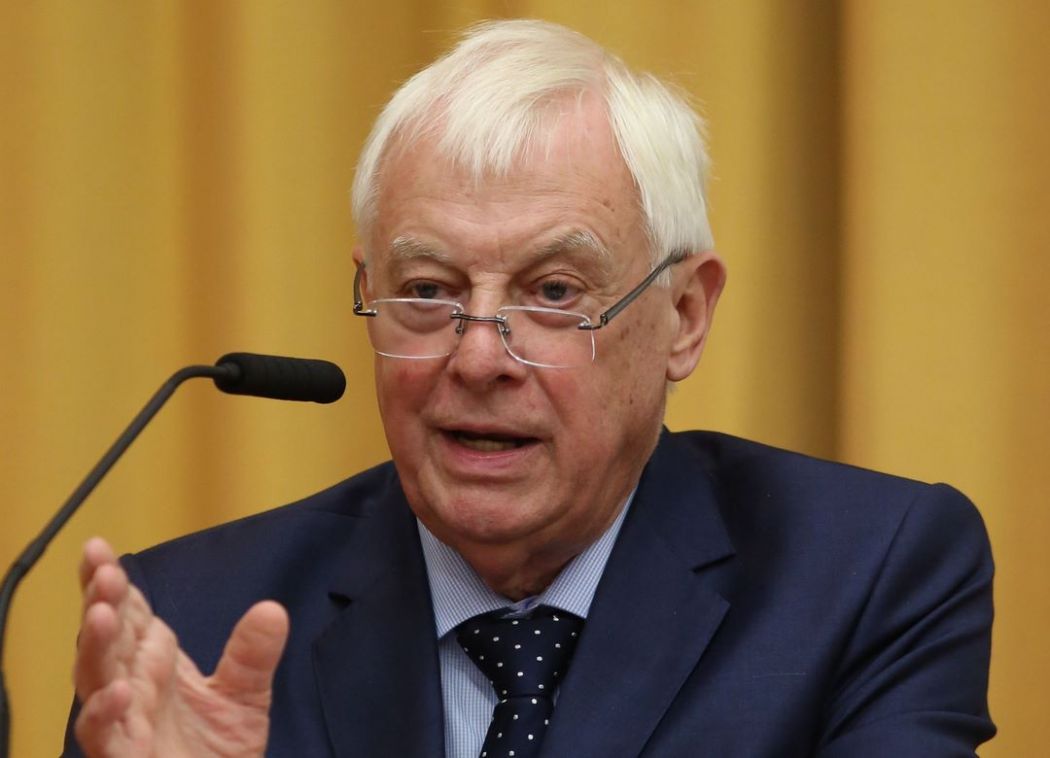
Following the initial bail, Wu was informed he could remain in the UK as a visitor for six months. This extension was reportedly secured through the efforts of UK-based supporters and advocates who lobbied on his behalf. The situation drew attention from prominent figures, including former Hong Kong governor Chris Patten, who has been a vocal critic of Beijing’s actions in Hong Kong.
Official Clarification on BNO Cases and Convictions
In a significant development, UK Minister for Migration and Citizenship Jo White addressed the situation in a letter to Chris Patten. The letter, shared on X (formerly Twitter) by the NGO Hong Kong Watch, clarified the Home Office’s stance on cases involving BNO passport holders with overseas convictions.
Minister White emphasized the importance of assessing each BNO passport case independently. Crucially, she stated that UK authorities should not automatically refuse settlement applications solely based on overseas convictions. This suggests a shift towards a more nuanced approach, acknowledging that political circumstances and the nature of convictions may warrant individual consideration.

The letter specifically mentioned Wu’s case: "Regarding Mr. Wu, I can confirm that, following further engagement with him, he was granted permission to enter the UK and is not facing deportation or removal." White further elaborated on the Home Office’s approach to politically motivated cases: "Where an individual asserts that their actions were politically motivated, or raise concerns about circumstances surrounding their convictions, caseworkers will consider any relevant evidence provided in support of those claims… including all relevant court findings." This statement indicates a willingness to review evidence beyond just the conviction itself, potentially allowing for a deeper examination of the context in which the conviction occurred.
Reactions and Broader Implications
The decision to allow Wu Chi-wai entry into the UK was welcomed by Hong Kong Watch. However, the NGO also expressed continued concern about the treatment of other Hong Kong political prisoners applying for the BNO scheme. In their statement on X, Hong Kong Watch urged Jo White to "urgently review the broader handling of political prisoners cases, to ensure legitimate applications are not turned down." This call highlights the potential for systemic issues within the immigration process that could disadvantage other individuals fleeing political persecution.

Wu Chi-wai served as a pro-democracy lawmaker for the Kowloon East constituency from 2012 to 2020. His initial detention and subsequent grant of temporary stay have become a focal point for discussions surrounding the UK’s commitment to supporting Hong Kongers facing political persecution.
The Hong Kong government has previously criticized Hong Kong Watch, labeling it an "anti-China" group, and its website is reportedly blocked within the city. This adversarial relationship underscores the sensitive political landscape surrounding discussions of Hong Kong’s autonomy and human rights.

Analysis of the Decision and Future Outlook
The UK’s decision to allow Wu Chi-wai entry, coupled with Minister White’s directive to consider cases individually, represents a significant moment for BNO holders with past convictions. It signals a recognition that the national security law in Hong Kong operates within a distinct political context, and that convictions secured under its provisions may not be directly comparable to those in jurisdictions with established democratic legal frameworks.
This approach could have broader implications for other former Hong Kong officials, activists, and individuals who have been convicted under the national security law and are seeking refuge or a new life in the UK. The BNO settlement route was designed to offer sanctuary, and this case suggests that the UK government is attempting to balance its immigration policies with its commitment to upholding democratic values and human rights in Hong Kong.

However, the process is likely to remain complex. The "independent assessment" of each case will require thorough evidence gathering and careful consideration by immigration caseworkers. The potential for differing interpretations of "politically motivated" actions and "relevant court findings" means that future cases may still face scrutiny and challenges.
The ongoing efforts by organizations like Hong Kong Watch to advocate for a comprehensive review of these cases are crucial. They aim to ensure that the spirit of the BNO settlement route is upheld, providing a genuine haven for those escaping political persecution without being unduly hindered by convictions that are themselves a product of that persecution. The UK’s stance in Wu Chi-wai’s case sets a precedent, and its consistent application will be closely watched by the Hong Kong diaspora and international human rights observers. The situation also highlights the broader challenge faced by governments in responding to the complex aftermath of political crackdowns in other territories, balancing national security concerns with humanitarian obligations and geopolitical considerations.

 Nana
Nana
 Reynand Wu