Sagoh
Sagoh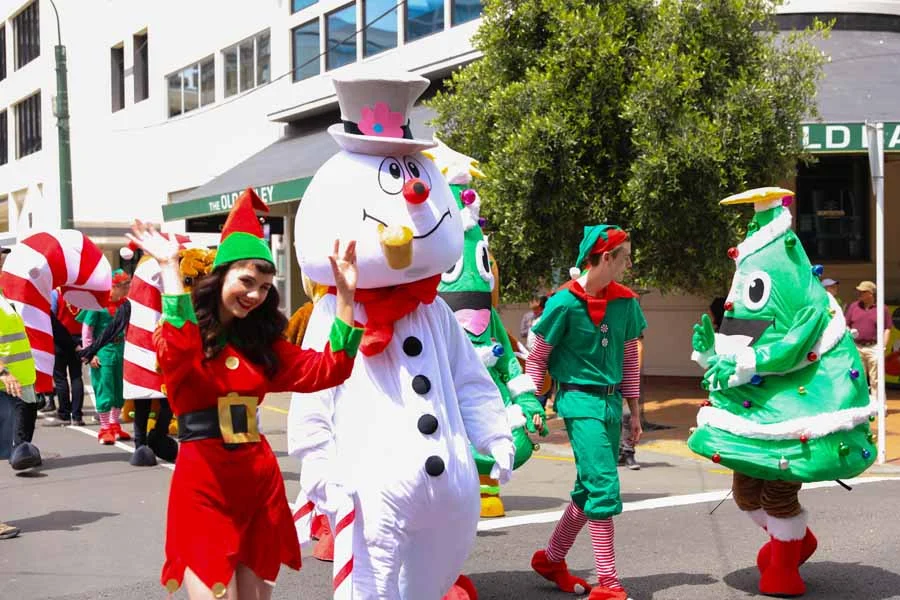
New Zealand’s capital city, Wellington, officially commenced its festive Christmas season on November 25-26, 2017, with a vibrant two-day festival culminating in a spectacular Santa parade. This year’s celebration marked a significant milestone with the inaugural participation of a delegation from the China Cultural Center in New Zealand, which introduced distinctly Chinese elements into the traditionally Western-themed festivities. The grand parade, a highlight of the weekend, saw nearly 200 performers captivate an estimated crowd of over 20,000 spectators who lined Lambton Quay, the city’s main thoroughfare. This collaborative effort underscored a growing commitment to cultural exchange and inclusivity within Wellington’s annual holiday traditions.
A Celebration of Unity and Diversity
The Wellington Christmas Festival, a cornerstone of the city’s holiday calendar, has historically been a beacon of community spirit, drawing families and residents together to celebrate the onset of the Christmas season. In 2017, the festival aimed to build upon this tradition by embracing a broader cultural narrative. The invitation extended to the China Cultural Center was a deliberate move by the Wellington city government to foster greater understanding and appreciation for diverse cultural expressions. This initiative not only enriched the parade’s visual tapestry but also provided an opportunity for the wider community to engage with elements of Chinese culture, from traditional costumes and music to symbolic representations.
The parade itself is a meticulously orchestrated event, typically featuring a procession of floats, marching bands, community groups, and, of course, Santa Claus. For many Wellingtonians, it signifies the official start of the holiday shopping season and a time for communal gathering and joyful anticipation. The estimated attendance of over 20,000 people underscores the event’s significant popularity and its role in the city’s social fabric. The inclusion of Chinese elements, therefore, was not merely an addition but a thoughtful integration designed to resonate with a diverse populace and to reflect Wellington’s multicultural identity.
The Inaugural Chinese Presence: A Spectacle of Culture
The delegation from the China Cultural Center brought a distinct flair to the Wellington Christmas parade. Their participation, a first for the event, was meticulously planned to showcase the vibrancy and richness of Chinese cultural heritage. While specific details of their contribution are not fully elaborated in the initial report, it is reasonable to infer that their presence would have included a range of visually engaging displays. This could have encompassed traditional Chinese dragon dances, known for their dynamic movements and symbolic significance, or lion dances, often performed to ward off evil spirits and bring good fortune.
The visual spectacle would likely have been amplified by performers adorned in colorful, intricately designed traditional Chinese attire. These costumes, often rich in symbolism and historical context, would have offered a striking contrast and complement to the more conventional Christmas motifs. Furthermore, the inclusion of traditional Chinese music, with its distinctive instrumentation and melodies, would have added an auditory dimension, creating an immersive cultural experience for the audience. The presence of the China Cultural Center likely aimed to present a harmonious blend of Chinese artistry and festive spirit, demonstrating that cultural celebrations can transcend geographical and traditional boundaries.
Background and Context of the Event
The Wellington Christmas Festival has a long-standing history, evolving over the years to become a significant annual event. While the exact year of its inception is not provided, such parades are typically rooted in a desire to foster community engagement and economic activity during the holiday period. The parade route along Lambton Quay, a central business district, ensures maximum visibility and accessibility for residents and visitors alike. The organization of such an event involves extensive planning by the city council, various community groups, and local businesses, often commencing months in advance.
The invitation to the China Cultural Center represents a growing trend in international cities to embrace cultural diplomacy through public events. By actively seeking out and integrating diverse cultural elements, Wellington aims to position itself as a welcoming and inclusive global city. This aligns with broader trends in urban development that prioritize multiculturalism and intercultural understanding as key components of a vibrant and dynamic urban environment. The "first time" participation of the China Cultural Center suggests a deliberate policy shift or an opportunistic engagement with a growing cultural presence in New Zealand.
Timeline of Events and Participation
While the provided information focuses on the parade itself, the broader festival spanned two days, November 25-26, 2017. The Santa parade, as the culmination of these festivities, likely occurred on one of these days, typically on a weekend afternoon to maximize attendance. The preparation for such a significant event would have been ongoing for several months. The decision to invite the China Cultural Center would have been made well in advance, allowing ample time for the delegation to prepare their performances and logistics.
The period leading up to the parade would have involved coordination meetings between the China Cultural Center and the Wellington city government, ensuring that their contribution aligned with the overall theme and logistical requirements of the parade. This would include discussions on float design, performance timing, and any necessary permits or approvals. The successful integration of Chinese elements would have been the result of this diligent planning and collaborative spirit.
Supporting Data and Attendance Figures
The estimated attendance of over 20,000 people for the Santa parade highlights its substantial draw. This figure is significant for a city of Wellington’s size and indicates the event’s importance in the local calendar. To put this into perspective, Wellington’s urban population is approximately 400,000. A turnout of 20,000 represents a considerable portion of the city’s residents and visitors, demonstrating strong community engagement with the festive activities.
The participation of nearly 200 performers underscores the scale and ambition of the parade. This number would include not only the delegation from the China Cultural Center but also other marching bands, community groups, and volunteers. The economic impact of such an event is also considerable, with increased foot traffic in the central business district benefiting local retailers and hospitality venues during the festive period. While direct economic data is not provided, the sheer volume of attendees suggests a positive economic ripple effect.
Official Responses and Reactions
While direct quotes from officials are not available, the act of inviting the China Cultural Center speaks volumes about the Wellington city government’s intentions. This proactive engagement suggests a desire to foster stronger international ties and to celebrate the multicultural fabric of the city. Such initiatives are often framed as promoting "people-to-people" connections, which are crucial for building long-term diplomatic and cultural relationships.
The response from the wider community, as evidenced by the large crowd, was likely overwhelmingly positive. The novelty and vibrancy of the Chinese cultural elements would have been a welcome addition to the familiar Christmas festivities. Such inclusive events tend to be well-received, as they offer opportunities for learning, shared experiences, and a sense of collective celebration. It is plausible that local media would have highlighted the unique aspect of Chinese participation, further amplifying its positive reception.
Broader Impact and Implications
The integration of Chinese elements into Wellington’s Christmas parade carries several important implications. Firstly, it signifies a growing recognition of the importance of cultural diversity in public celebrations. By actively incorporating elements from non-Western cultures, Wellington is demonstrating its commitment to inclusivity and to showcasing the rich tapestry of its population. This can foster a greater sense of belonging among diverse communities and promote mutual understanding.
Secondly, this event serves as a form of cultural diplomacy. The China Cultural Center’s participation, facilitated by the city government, strengthens the relationship between China and New Zealand at a grassroots level. These cultural exchanges are vital for building bridges and fostering goodwill, often complementing formal diplomatic relations. They provide tangible opportunities for people from different backgrounds to connect and appreciate each other’s heritage.
Thirdly, it contributes to Wellington’s reputation as a vibrant and cosmopolitan city. By embracing international cultural influences, Wellington positions itself as a forward-thinking and welcoming destination. This can attract international talent, investment, and tourism, further enhancing the city’s global profile. The success of this initiative could pave the way for future collaborations and the integration of other cultural traditions into Wellington’s public events, solidifying its status as a multicultural hub. The positive reception of the Chinese delegation suggests that such cross-cultural collaborations are not only feasible but also highly beneficial for enriching the cultural landscape of a city. This event, therefore, represents a small yet significant step in the ongoing evolution of public celebrations towards greater inclusivity and global interconnectedness.

 Asep Darmawan
 Rifan Muazin