Nana Wu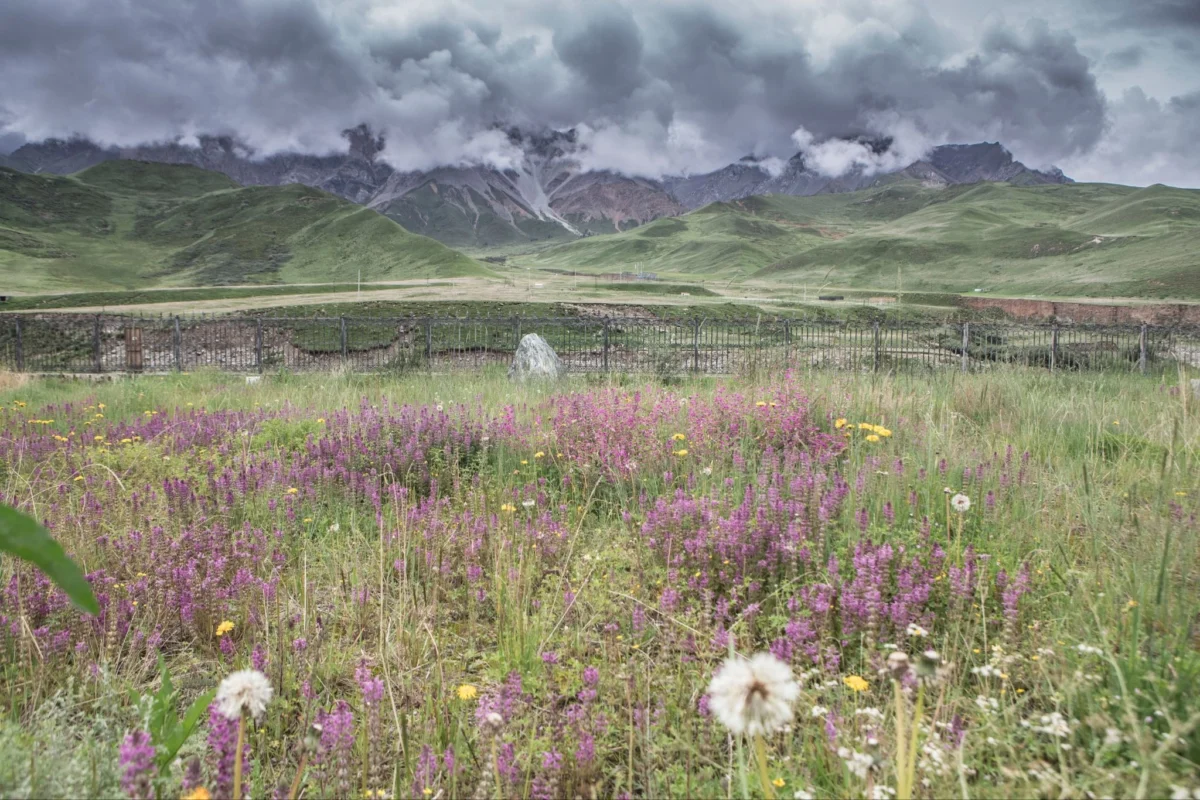
A catastrophic mudslide, described as a terrifying torrent of water, ice, and rock, has swept through a remote valley in the Himalayas along the border of China’s Tibet Autonomous Region and Nepal, leaving an unfathomable trail of destruction. The disaster, which struck early Wednesday morning, August 26th, has resulted in over a thousand people missing and hundreds confirmed dead. Eyewitness accounts and harrowing video footage depict a colossal wall of debris crashing through villages, obliterating highways, decimating bridges, and engulfing a vital border crossing as desperate residents fled for their lives.
The initial assessment by geological experts points to an ice-rock avalanche as the likely precursor to the devastating flash flood. This avalanche, cascading down the mountainside, is believed to have struck the river at the valley’s base, dislodging vast quantities of material and initiating the relentless mudslide that surged downhill. While the immediate cause is under intense investigation, scientists are urging caution against attributing Wednesday’s cataclysm solely to climate change. However, they concur that the persistent rise in global temperatures and the subsequent melting of glaciers are almost certainly contributing factors to the increased instability of these high-altitude environments.
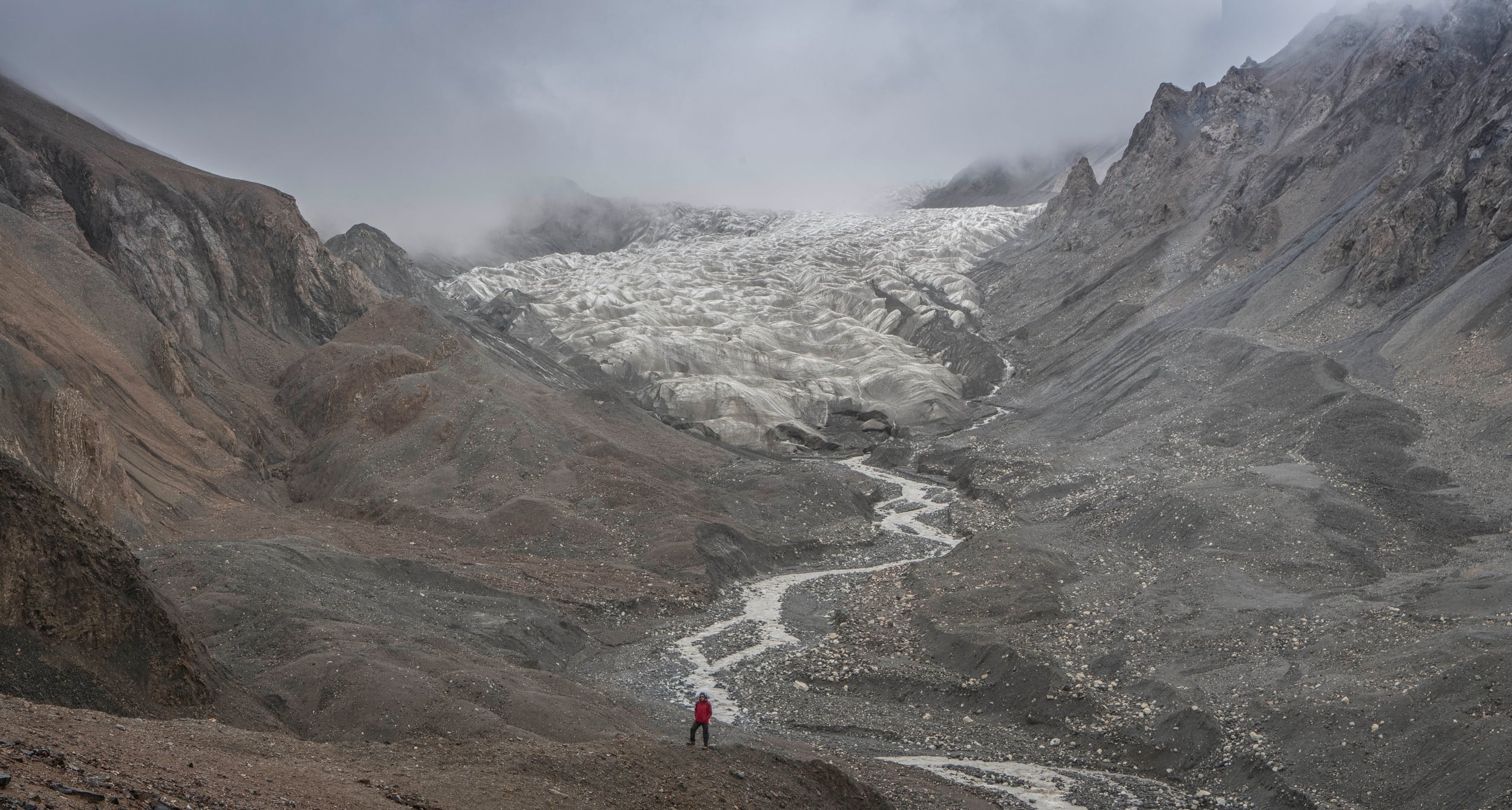
A Region Prone to Peril: Understanding the Himalayan Ecosystem
The Himalayas, a colossal mountain range renowned for its towering peaks and delicate ecosystems, are increasingly becoming a focal point for climate-related disasters. The Tibetan Plateau, a vast, high-altitude region characterized by its historically cold climate, has experienced warming at a rate twice the global average between 1981 and 2020. This accelerated warming translates to an approximate increase of 0.5 degrees Celsius every decade, accompanied by a rise in average precipitation of approximately 14 millimeters per decade.
These stark figures, while significant, do not fully encapsulate the profound geological ramifications of such rapid climatic shifts in these elevated terrains. The fragility of mountain ecosystems, encompassing soil stability and riverine dynamics, is acutely vulnerable. The potential for localized events to trigger cascading chain reactions, leading to widespread devastation, is a growing concern. Furthermore, the human populations residing in these mountainous areas face an amplified risk from both natural and climate-induced disasters.
A Grim Timeline of Destruction
The unfolding tragedy began on Wednesday, August 26th, in the early morning hours. A massive ice-rock avalanche was triggered, initiating a chain of events that culminated in the devastating mudslide. Within minutes, the torrent of debris tore through the valley, obliterating infrastructure and settlements.

- Wednesday, August 26th (Morning): An ice-rock avalanche occurs, striking a river and triggering a massive mudslide. The destructive force cascades down the valley, destroying towns, highways, bridges, and a border crossing. Hundreds are feared dead, and over a thousand are reported missing.
- Following Days: Rescue and recovery efforts are mobilized, hampered by the remote location and the sheer scale of the destruction. International aid and support begin to be coordinated.
This incident echoes a similar disaster that occurred in the same border region the previous year, which was attributed to a glacial outburst flood. A glacial outburst flood happens when meltwater accumulates in a glacial lake, held back by a natural dam of ice and debris. When this moraine wall fails, the pent-up water is released in a devastating torrent. While yesterday’s event involved an ice-rock avalanche, the underlying vulnerability of glacial and permafrost regions to climate change remains a critical concern.
Scientific Warnings and Governmental Responses
The fragility of permafrost regions in the Himalayas and the Tibetan Plateau has been a subject of scientific scrutiny for years. A comprehensive report by Greenpeace East Asia, published in 2018 in collaboration with the Chinese Academy of Sciences and Gansu Provincial Academy, provided an in-depth analysis of the impact of climate change on glaciers across China and Asia. The report underscored the urgent need for enhanced early warning systems and robust risk prevention measures to mitigate the escalating threats posed by the increasing instability of these high-altitude glacial environments.
Since the release of this report, the Chinese government has enacted key national strategy documents aimed at addressing climate change. These include the "National Climate Change Adaptation Strategy 2035" and the "Qinghai-Tibet Plateau Ecological Protection Law." These policies emphasize the imperative to confront climate-related risks and bolster monitoring and early warning systems in vulnerable regions.
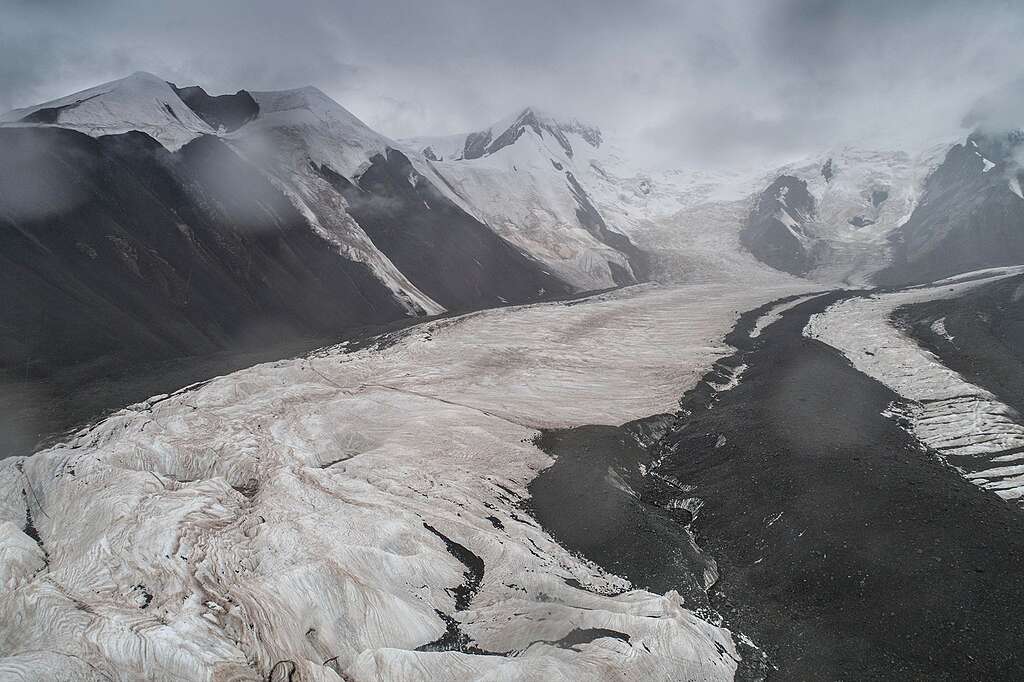
However, despite these proactive measures, significant gaps persist in climate adaptation strategies within these complex, high-altitude environments, particularly concerning the warming permafrost. The necessity for real-time risk monitoring and the implementation of effective on-the-ground emergency management mechanisms requires further enhancement and investment.
The Looming Threat of Glacial Lake Outburst Floods
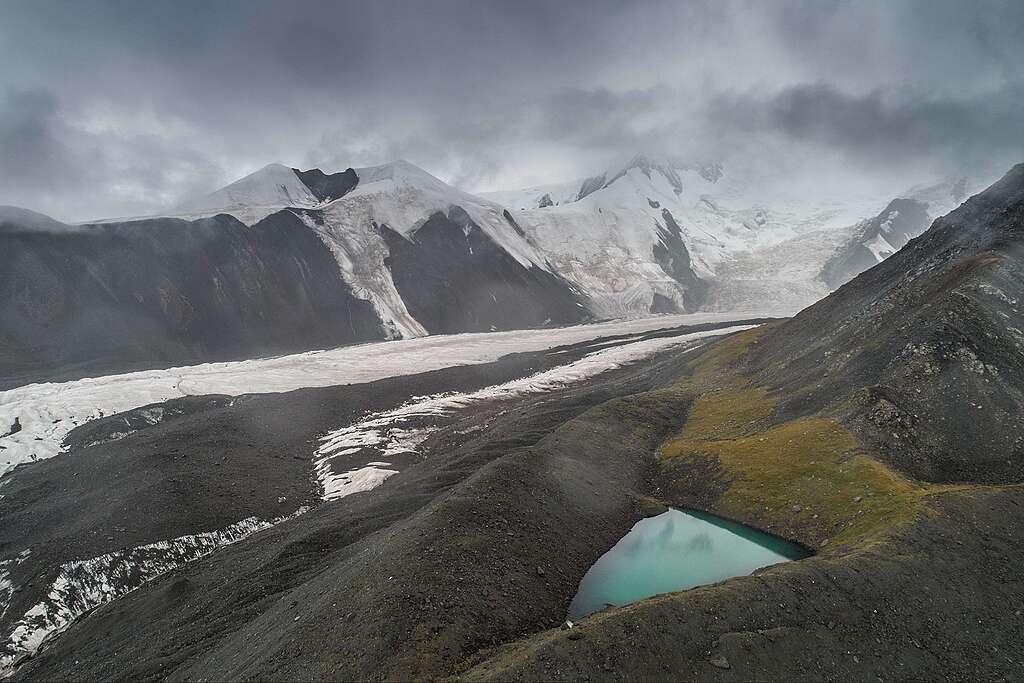
The Himalayas are home to numerous glacial lakes, many of which pose a significant risk of outburst floods. Over the past decade, several such events have occurred, prompting both Nepal and China to implement disaster assessment protocols, deploy remote sensing technologies, conduct flood simulations, and foster cross-border information exchange.
A simulation conducted in 2022 for a neighboring river valley, which shares geological and geographical similarities with the site of the recent mudslide, offered a stark warning. This simulated valley included a glacial lake, a steep canyon, and a border crossing. The findings indicated that a glacial lake outburst flood could reach a nearby town in as little as 5 to 11 minutes and the China-Nepal border in approximately 30 minutes. This alarming timeframe highlights the extreme urgency required for effective disaster response and evacuation in such scenarios.
Implications and the Path Forward
The devastating mudslide serves as a grim reminder of the escalating threats posed by climate change in sensitive high-altitude regions. The loss of life and the destruction of communities underscore the urgent need for a multi-faceted approach to disaster preparedness and climate adaptation. This includes:
- Enhanced Monitoring and Early Warning Systems: Investing in advanced technologies and expanding the network of monitoring stations to provide real-time data on glacial melt, permafrost stability, and seismic activity.
- Strengthened Risk Prevention Measures: Developing and implementing comprehensive risk reduction strategies, including community-based early warning systems, evacuation plans, and the reinforcement of critical infrastructure.
- International Cooperation: Fostering greater collaboration between China, Nepal, and other Himalayan nations to share data, best practices, and resources for disaster management and climate change mitigation.
- Climate Change Mitigation: Addressing the root causes of climate change by reducing greenhouse gas emissions globally is paramount to slowing the rate of warming and reducing the frequency and intensity of such catastrophic events.
The recent tragedy in the Himalayas is not merely a localized disaster but a stark indicator of the global challenges posed by a warming planet. The lessons learned from this cataclysm must translate into immediate, decisive action to protect vulnerable communities and preserve the fragile ecosystems of one of the world’s most vital mountain ranges. The international community must heed these urgent warnings and collectively invest in a sustainable future that safeguards both humanity and the natural world.


 Raul Delapena Setiawan
 Neng Nana