Rifan Muazin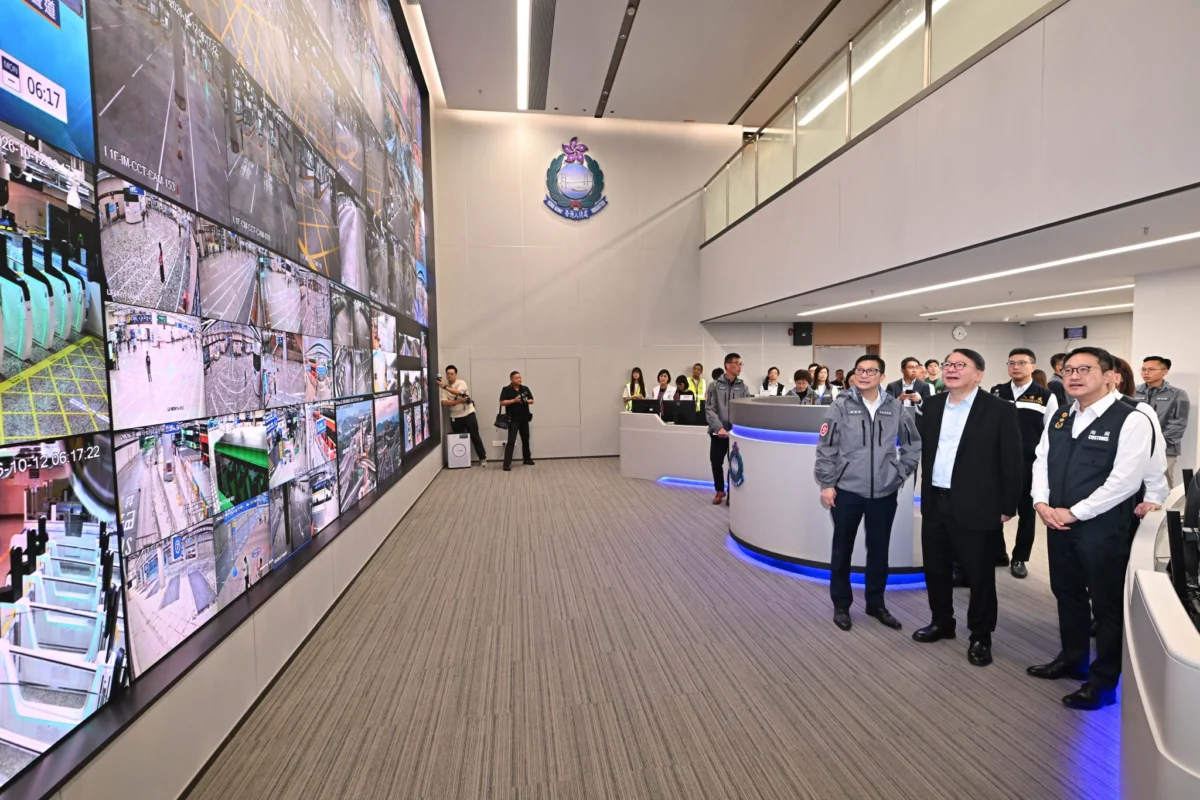
The significantly redeveloped Huanggang Port, a critical border crossing connecting Hong Kong and Shenzhen, has officially commenced operations following six years of extensive renovation. This landmark reopening introduces the first-ever joint clearance facility, enabling passengers to complete both Hong Kong and mainland Chinese immigration procedures simultaneously. The initiative promises to dramatically enhance efficiency and convenience for the millions who traverse this vital artery of cross-border exchange.

The new Huanggang Port began its passenger and vehicle clearance services at 6:30 AM on Monday, marking a pivotal moment in the ongoing integration efforts between the two Special Administrative Regions. In the initial two hours of operation, the checkpoint facilitated the passage of approximately 5,100 travelers and 953 vehicles. Early reports from local media indicate a high degree of satisfaction among travelers, who have lauded the modernized facility for its improved speed and streamlined processes.
To mark the occasion, the Secretary for Security, Chris Tang, and the Chief Secretary, Eric Chan, were present on Monday morning to personally inspect the facility. Chief Secretary Chan engaged with travelers and reported their positive feedback, specifically highlighting the efficiency of the new joint clearance system. He stated that the e-Channel processing times have been reduced to an impressive approximately 20 seconds per passenger, a significant improvement from previous wait times.

A Paradigm Shift in Border Control: Collaborative Inspection and Joint Clearance
The cornerstone of the revamped Huanggang Port’s operational overhaul is the adoption of a novel "Collaborative Inspection and Joint Clearance" model. This innovative approach fundamentally alters the passenger experience by requiring individuals to queue only once for document inspection and identity verification. Passengers can opt for automated e-Channels or proceed to staffed counters, where Hong Kong and mainland Chinese officials will work in tandem, side-by-side, to complete all necessary immigration and customs procedures for both jurisdictions.
This integrated model represents a significant step forward in cross-border facilitation. Previously, travelers often had to undergo separate checks at distinct booths or even different buildings. The "Collaborative Inspection and Joint Clearance" system aims to eliminate this duplication, thereby minimizing transit times and reducing the overall burden on travelers.

Chief Secretary Chan expressed optimism about the new system, stating that if the rollout at Huanggang proves successful, authorities plan to "gradually extend it to other boundary control points as well." This suggests a strategic vision for standardizing and enhancing cross-border efficiency across all major entry and exit points between Hong Kong and mainland China.
A History of Evolving Cross-Border Cooperation
The opening of the new Huanggang Port builds upon a history of evolving cross-border cooperation and infrastructure development. The Shenzhen Bay Control Point, established in 2007, was the first major border crossing to feature Hong Kong and mainland immigration within the same building, though passengers still had to clear both jurisdictions sequentially. This was a significant improvement at the time, consolidating processing under one roof.

A more recent, and in some ways reversed, model was implemented with the opening of the West Kowloon high-speed rail station in 2018. At this facility, mainland Chinese immigration and police personnel operate within a designated "Mainland Port Area" inside the Hong Kong station. This arrangement allowed travelers to complete mainland procedures before even departing Hong Kong, offering a unique form of pre-clearance.
The Huanggang Port’s "Collaborative Inspection and Joint Clearance" model further refines this integration. Instead of simply housing both jurisdictions’ operations in proximity, it allows for a truly unified clearance process. This reduces the number of checkpoints a passenger must pass through from two separate lines, even within the same building, to a single, integrated process. The anticipated outcome is a substantial reduction in clearance time, with estimates suggesting a decrease from a previous average of 30 minutes to as little as five minutes for the entire process.

Addressing Data Privacy Concerns
The implementation of joint clearance systems has, in the past, raised concerns regarding data privacy, particularly for Hong Kong residents. In July of the previous year, Secretary for Security Chris Tang addressed these concerns directly with lawmakers. He explicitly stated that the joint clearance system at the revamped checkpoint "will not send Hong Kong residents’ data to mainland Chinese authorities." This assurance is crucial for maintaining public trust and addressing potential anxieties surrounding the sharing of personal information across the border. The emphasis on collaborative, rather than centralized, data handling is expected to be a key factor in the continued acceptance and expansion of such integrated systems.
Impact on Other Border Crossings
The operational changes at Huanggang Port have also led to adjustments at other key border crossings. Following the opening of the new facility, passenger inspection operations have ceased at the Lok Ma Chau road crossing in Yuen Long. Previously, northbound vehicles would clear Hong Kong customs at Lok Ma Chau before proceeding across the Sam Chun River to undergo mainland customs procedures. The consolidation of services at Huanggang renders this separate operation redundant.

However, the nearby Lok Ma Chau Spur Line rail crossing, which serves as the terminus for the MTR’s East Rail Line, will continue to operate. This crossing allows passengers to seamlessly connect to the Shenzhen Metro system after clearing customs at the Futian Port pedestrian border crossing. This indicates a strategic approach to optimizing different modes of transport and their associated border control points, ensuring that overall network efficiency is maintained.
Economic and Social Implications
The redevelopment and enhanced operational model of the Huanggang Port are poised to have significant economic and social implications. As a major gateway for both passengers and cargo, improved efficiency at Huanggang can lead to reduced logistical costs for businesses, faster transit times for goods, and a more pleasant experience for tourists and commuters alike. This could stimulate further economic activity and deepen the integration of the Greater Bay Area.

The reduction in border crossing times can also foster greater social interaction and connectivity between Hong Kong and mainland China. For residents who frequently travel for work, family, or leisure, the streamlined process will make these journeys more convenient and less time-consuming. This could lead to increased cross-border commuting, a greater flow of talent, and a more cohesive regional identity.
The success of the "Collaborative Inspection and Joint Clearance" model at Huanggang Port will be closely watched as a potential blueprint for future border infrastructure projects. The ability to expedite passenger flow while maintaining robust security and addressing privacy concerns will be critical to its long-term viability and its potential replication across other vital border crossings. The investment in modernizing these critical nodes of connectivity underscores the strategic importance of the Hong Kong-Shenzhen corridor within China’s broader development plans. The coming months will likely reveal the full extent of the positive impact of this significant upgrade on regional travel and commerce.

 Ammar Sabilarrohman
 Azzam Bilal Chamdy