Sagoh
Sagoh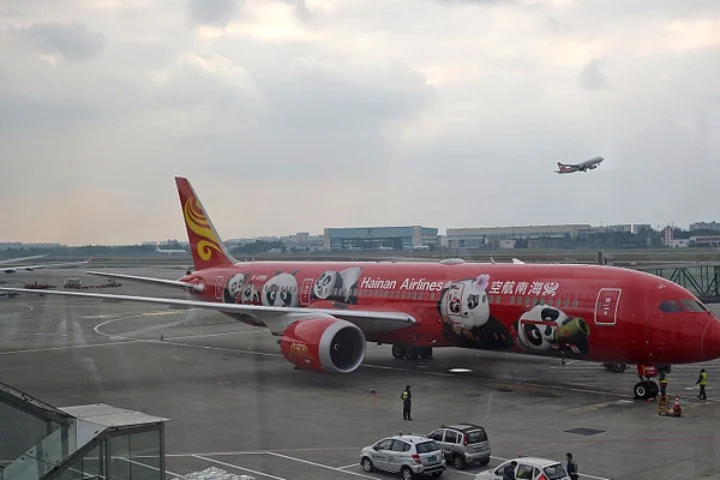
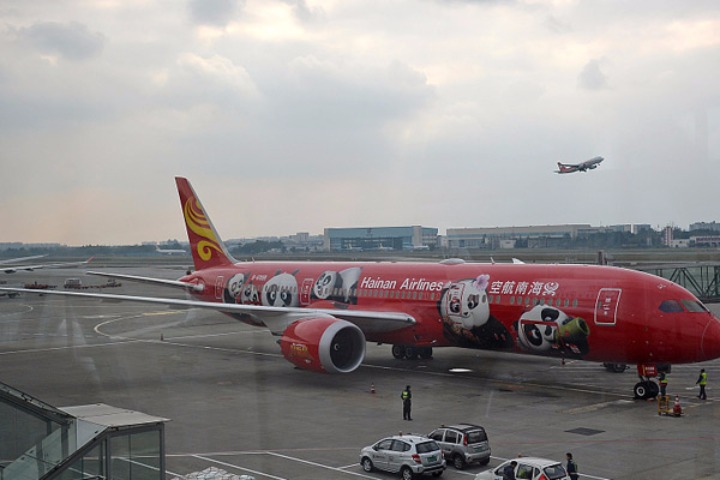
Hainan Airlines, China’s largest private air carrier, is embarking on an ambitious expansion strategy in the lucrative trans-Pacific market, signaling its intent to significantly increase direct flights between China and the United States. This strategic thrust is primarily driven by the burgeoning demand from Chinese travelers for US destinations, a trend that continues to inject considerable vitality into the aviation sector. The airline’s immediate focus includes securing crucial flying rights to establish direct services from Shanghai, a pivotal economic and aviation hub, to major American cities, particularly those already serviced by direct flights from Beijing. This move underscores Hainan Airlines’ determination to solidify its position as a dominant player in one of the world’s most competitive long-haul markets.
Strategic Push into US Market Driven by Surging Demand
The carrier’s aggressive pursuit of new routes is a direct response to the escalating outbound tourism from China, with the United States consistently ranking among the top international destinations. Millions of Chinese tourists, business travelers, and students contribute significantly to the US economy annually, creating a robust demand for direct and convenient air links. Hainan Airlines aims to capitalize on this demographic shift by not only increasing its existing network but also by penetrating new city pairs that promise high growth potential.
Pubin Liang, regional managing director of Hainan Airlines in the United States, articulated the carrier’s strategic vision, stating, "We launched a number of direct flights between second-tier Chinese cities and major US cities, following the increasing demand from smaller Chinese cities. North America is one of our most important markets, and we have kept looking for potential opportunities in this market." This statement highlights a key aspect of Hainan Airlines’ strategy: identifying and connecting emerging Chinese urban centers directly with US gateways, thereby bypassing the traditional hubs and offering enhanced convenience to passengers from these regions.
Bridging Second-Tier Chinese Cities with Major US Hubs
In a significant testament to this strategy, Hainan Airlines recently inaugurated direct flights from Chongqing and Chengdu to New York. The Chongqing-New York service commenced on October 20, followed by the Chengdu-New York route on October 26. These launches marked a groundbreaking development, representing the first direct air connections between these two prominent Western Chinese cities and New York, a vital economic and cultural nexus in the United States. Prior to these new routes, travelers from Chongqing and Chengdu typically faced layovers in larger Chinese or international hubs, adding considerable time and complexity to their journeys. The introduction of direct flights dramatically streamlines travel, making the US more accessible to millions in these rapidly developing regions. Hainan Airlines also operates direct flights connecting these two cities to Los Angeles, further solidifying its presence in the Western US market.
Liang emphasized the strategic importance of these new routes, noting, "The successful launch of flights between those two Chinese cities and New York has been a significant breakthrough for us, and we are looking to launch more direct flights between New York and Chinese cities in the future." This ambition signals a broader intent to expand New York’s connectivity with various Chinese cities, enhancing its role as a key gateway for trans-Pacific travel.
Expanding Reach Through Strategic Partnerships and Network Growth
Beyond direct route expansion, Hainan Airlines is also focused on bolstering its network coverage within the United States through strategic partnerships. The carrier has announced plans to initiate code-sharing programs with Alaska Airlines and JetBlue Airways in the coming year. These collaborations are designed to provide Hainan Airlines passengers with seamless connections to a wider array of destinations across the United States, particularly on the east and west coasts, where both Alaska Airlines and JetBlue Airways maintain strong presences. Such partnerships are crucial for international carriers, allowing them to extend their reach into domestic markets without the prohibitive costs and regulatory hurdles associated with operating their own regional services.
However, the airline has also encountered challenges in its partnership strategies. Earlier collaborations with American Airlines on code-sharing and connecting flights experienced a significant weakening. This shift occurred after Hainan Airlines launched its own direct service between Beijing and Chicago, a route also operated by American Airlines. The resulting overlap led to a reduction in cooperative efforts, which, according to Liang, has had a "significant negative impact, especially on our expansion of networks in the Midwest." He added, "Now, we face significant challenges in growing our business in this area with Chicago as the hub." This illustrates the complex competitive dynamics in the global aviation industry, where partnerships can quickly evolve into rivalries when direct route competition emerges.
A Decade of Trans-Pacific Connectivity: Hainan Airlines’ Route Development Timeline
Hainan Airlines’ journey in the China-US market dates back to 2008 when it inaugurated its first trans-Pacific direct flights between Beijing and Seattle. This pioneering route laid the foundation for what has become an extensive network. Today, Hainan Airlines stands as the Chinese airline operating the most direct flights between the two countries, boasting a total of 12 routes. This robust portfolio includes key connections such as Beijing to Chicago, Beijing to San Jose, Beijing to Las Vegas, and Shanghai to Boston, showcasing its commitment to serving diverse markets.
A detailed chronology of Hainan Airlines’ expansion highlights its methodical approach to building its trans-Pacific footprint:
- June 2008: Hainan Airlines launched its inaugural China-US direct flights connecting Beijing and Seattle. This marked the airline’s entry into the crucial North American market and established a direct link between China’s capital and a major tech hub in the US Pacific Northwest.
- September 2013: The airline initiated direct flights between Beijing and Chicago. This was a significant milestone, as it represented the first such route operated by a Chinese airline, challenging established carriers and opening up new options for travelers to the US Midwest.
- June 2014: Hainan Airlines launched nonstop flights between Beijing and Boston, further expanding its East Coast presence and catering to the strong academic and business ties between the two regions.
- June 2015: A period of significant expansion saw Hainan Airlines launch direct flights between Shanghai and Seattle, complementing its existing Beijing-Seattle service and strengthening its footprint in both major Chinese aviation hubs. Simultaneously, it established direct flights between Beijing and San Jose, California, targeting the burgeoning demand from Silicon Valley. In the same month, the airline also introduced direct flights connecting Shanghai and Boston, mirroring its Beijing-Boston service and underscoring Shanghai’s growing importance as an international gateway.
- December 2016: Hainan Airlines launched direct flights between Beijing and Las Vegas. This route was particularly notable as it served as the first direct flight between Las Vegas and the Chinese mainland, tapping into the leisure and entertainment tourism market.
- January 2017: The airline launched direct flights between Changsha, the capital of Hunan province in Central China, and Los Angeles. This move further exemplified Hainan Airlines’ strategy of connecting second-tier Chinese cities directly with major US destinations, offering new travel convenience to millions outside Beijing and Shanghai.
- October 2017: Hainan Airlines made headlines with the launch of direct flights between Chongqing and New York, as well as Chengdu, capital of Sichuan province, and New York. These two flights became the first direct connections between New York and these vital Western Chinese cities, representing a major breakthrough in regional connectivity.
Financial Performance Reflects Robust Market Growth
The financial performance of Hainan Airlines’ China-US routes underscores the strong market demand. Between January and September of the current year, the airline achieved sales revenue of 2.59 billion yuan ($390 million) from its China-US flights. This figure represents a robust 19 percent increase year-on-year, demonstrating sustained growth in passenger traffic and revenue. Furthermore, the average passenger load ratio on these flights has consistently exceeded 80 percent, indicating high seat occupancy and efficient route utilization.
While the overall performance is strong, the airline acknowledges the seasonal fluctuations inherent in the aviation industry. During peak travel seasons, typically from June to October, and then again in December and January, Hainan Airlines experiences outstanding sales performance, driven by summer holidays, school breaks, and festive periods. Conversely, during off-peak seasons, the airline faces operational pressures. To mitigate these challenges and stimulate demand, Hainan Airlines strategically adjusts its business by offering various promotions, including package deals that combine flight tickets with tourism destination resort tickets and hotel accommodations. This proactive approach helps maintain respectable load factors even during quieter periods.
The Evolving Landscape of China-US Aviation
The expansion efforts of Hainan Airlines are set against a backdrop of a rapidly evolving China-US aviation market, characterized by intense competition, shifting passenger preferences, and geopolitical considerations.
Intense Competition and the Quest for New Niches
Lin Zhijie, a respected aviation industry analyst and columnist at Carnoc, a leading civil aviation website in China, provides critical insight into the market dynamics. He observes that routes between major Chinese cities and the United States are becoming "quite saturated," leading airlines to aggressively compete for market share. This saturation has prompted a strategic pivot towards launching direct flights between second-tier Chinese cities and the United States. While these routes offer new growth opportunities, they also come with inherent operational cost pressures, given the typically lower passenger volumes compared to mega-city routes. The success of these secondary city routes hinges on effective marketing, competitive pricing, and the ability to stimulate new demand from previously underserved populations.
Broader Market Trends and Regulatory Environment
The growth of China-US air travel is closely tied to the overall liberalization of aviation agreements between the two countries, though a full "Open Skies" agreement has yet to be realized. These bilateral agreements govern the number of flights, routes, and carriers permitted, shaping the competitive landscape. The sustained rise of the Chinese middle class, coupled with increasing disposable incomes and a growing desire for international experiences, continues to fuel outbound tourism. This demographic trend provides a fundamental driver for airlines like Hainan to invest heavily in long-haul international routes. Furthermore, the Chinese government’s focus on developing regional aviation hubs beyond Beijing and Shanghai has provided infrastructure and policy support for airlines to launch international services from these emerging cities.
Geopolitical Considerations and Economic Impact
While the economic incentives for expanding China-US air links are clear, the aviation sector remains susceptible to broader geopolitical dynamics. As Lin Zhijie cautiously noted, "the possible fluctuation of Sino-US relations should also be taken into consideration." Trade disputes, political tensions, or changes in visa policies could have a significant impact on travel demand and airline operations. Despite these potential headwinds, the economic benefits of increased air connectivity are substantial. Direct flights facilitate tourism, business travel, and cultural exchange, contributing billions of dollars to both economies through visitor spending, job creation in the travel and hospitality sectors, and enhanced trade opportunities. For US airports, attracting new direct routes from China means increased passenger traffic, greater revenue from concessions, and enhanced global prestige. For Chinese cities, it means improved global access and economic integration.
Future Outlook: Opportunities and Challenges Ahead
Hainan Airlines’ aggressive pursuit of flying rights from Shanghai to major US cities represents its next critical frontier. Shanghai, with its immense economic power and two major international airports (Pudong and Hongqiao), offers unparalleled potential for further market penetration. Success in establishing these routes would significantly enhance Hainan Airlines’ competitive standing against state-owned carriers like Air China, China Eastern, and China Southern, all of whom have strong presences in Shanghai.
Looking ahead, Hainan Airlines is poised to further consolidate its position as a leading trans-Pacific carrier. Its strategy of combining direct route expansion from both major and second-tier Chinese cities with strategic code-sharing partnerships appears robust. However, the airline will need to navigate ongoing challenges, including volatile fuel prices, intense competition from both Chinese and US carriers, potential regulatory hurdles in securing new route authorities, and the overarching geopolitical climate. By continuing to offer competitive pricing, high-quality service, and convenient direct connections, Hainan Airlines aims to sustain its impressive growth trajectory and cater to the ever-increasing demand for travel between China and the United States. The carrier’s journey reflects the broader dynamism of the global aviation industry, where innovation and strategic foresight are paramount to success in a fiercely contested market.


 Evan Lee Salim
 Suro Senen