Azzam Bilal Chamdy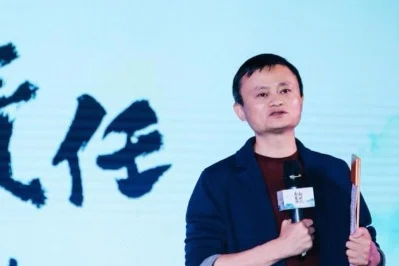
The Jack Ma Foundation has announced a significant philanthropic commitment, pledging to invest at least 300 million yuan (approximately $45 million USD) over the next decade to bolster the quality and sustainability of teaching staff in China’s rural schools. This substantial financial backing underscores the foundation’s unwavering dedication to addressing educational disparities between urban and rural areas, a critical challenge in the nation’s ongoing development.
Detailed Program Overview: The Jack Ma Rural Pre-Service Teacher Initiative
The newly unveiled program, officially titled the Jack Ma Rural Pre-Service Teacher Initiative, is strategically designed to attract and retain high-calibre graduates from normal universities—institutions specialized in teacher training—to serve in underserved countryside schools. This initiative introduces a structured five-year commitment program, aiming to cultivate a new generation of dedicated and well-equipped educators for China’s rural heartland.
The inaugural phase of this ambitious project is slated to commence on January 21, marking a pivotal moment in the foundation’s rural education efforts. For this initial rollout, the Jack Ma Foundation has forged partnerships with key universities located in three significant provinces—Hunan, Sichuan, and Jilin—as well as the direct-controlled municipality of Chongqing. These regions have been carefully selected, likely due to their diverse geographical and socio-economic landscapes, which present unique challenges and opportunities for rural education development. Through these collaborations, the foundation aims to channel an initial cohort of 100 university graduates directly into rural teaching positions within these four designated regions.
A cornerstone of the incentive package for successful applicants is a generous financial grant. Each teacher who commits to the five-year program will receive an additional 100,000 yuan (approximately $15,000 USD) on top of their standard salary. This significant financial incentive is designed not only to attract top talent but also to provide a stable financial foundation, mitigating some of the economic disadvantages often associated with rural postings and thereby encouraging longer-term commitment.
Addressing Teacher Retention and Professional Development
Recognizing that attracting teachers is only half the battle, the Jack Ma Foundation has also meticulously crafted a comprehensive support system aimed at encouraging program fellows to remain in rural schools beyond their initial commitment. This crucial retention strategy includes a robust framework of both online and offline refresher courses, ensuring that rural educators have continuous access to cutting-edge pedagogical techniques, curriculum updates, and professional development opportunities that might otherwise be scarce in remote areas.
Furthermore, the initiative incorporates a dedicated mentorship program. Experienced educators and specialists will be allocated to advise the new teachers on various aspects of their professional journey, including teaching methodologies, classroom management, and broader career development paths. This personalized guidance is vital for nurturing confidence, fostering a sense of community, and providing the necessary support structure for young teachers navigating the unique demands and environments of rural education. The combination of ongoing training and mentorship is critical to transforming short-term placements into sustainable, fulfilling careers for these committed educators.
Background: The Jack Ma Foundation’s Enduring Commitment to Rural Education
This latest initiative represents the third significant undertaking by the Jack Ma Foundation in its broader mission to support rural education development. While details of the preceding two initiatives are not specified in the current announcement, their existence highlights a sustained and evolving commitment from the foundation to this critical sector. Jack Ma, the visionary co-founder of Alibaba Group, has long been a vocal advocate for education, particularly emphasizing its transformative power in rural communities. His personal journey, rooted in humble beginnings and a deep appreciation for the role of teachers, heavily influences the foundation’s philanthropic focus.
The foundation’s philosophy is rooted in the belief that education is the ultimate equalizer and a fundamental driver of social mobility and economic development. By focusing on rural education, the Jack Ma Foundation aims to tackle the systemic issues that perpetuate inequality, ensuring that children in remote areas have access to the same quality of education as their urban counterparts. This long-term vision aligns with national priorities to foster inclusive growth and empower marginalized communities. Previous initiatives likely laid the groundwork, perhaps focusing on direct financial aid to existing rural teachers, establishing model schools, or providing technological resources. The current "Pre-Service Teacher Initiative" signifies a strategic shift towards strengthening the human capital foundation of rural education by directly investing in its future workforce.
The Broader Landscape of Rural Education in China: A Contextual Analysis
China’s rapid economic development over the past few decades has undeniably lifted millions out of poverty, but it has also exacerbated certain societal disparities, particularly in education. Rural schools often face a myriad of challenges, including:
- Teacher Shortages and Quality Gaps: Many qualified teachers prefer to work in urban centers, where salaries are higher, living conditions are better, and career advancement opportunities are more abundant. This leads to a persistent shortage of skilled educators in rural areas, and often, those who do teach there may have lower qualifications or less experience.
- Brain Drain and Rural Depopulation: The allure of urban opportunities leads to a continuous migration of young, educated individuals from rural to urban areas, including potential teachers. This demographic shift further depletes the talent pool in the countryside, creating a vicious cycle.
- Resource Disparities: Despite significant government investment, rural schools often lag behind their urban counterparts in terms of facilities, teaching materials, and access to technology.
- Isolation and Lack of Professional Support: Rural teachers can experience professional isolation, lacking opportunities for peer collaboration, mentorship, and continuous professional development that are more readily available in urban school systems.
The Chinese government has recognized these challenges and has implemented various policies aimed at improving rural education, including increased funding, special allowances for rural teachers, and programs to encourage urban teachers to serve in rural areas. However, the scale of the problem is immense, requiring concerted efforts from both public and private sectors. Philanthropic initiatives like those from the Jack Ma Foundation play a crucial complementary role, often having the flexibility to pilot innovative solutions and target specific pain points that government programs might not fully address.
Strategic Alignment with National Goals
The Jack Ma Rural Pre-Service Teacher Initiative is perfectly aligned with several key national strategies of the Chinese government. President Xi Jinping’s emphasis on "rural revitalization" (乡村振兴, xiāngcūn zhènxīng) places a strong focus on narrowing the urban-rural gap and fostering sustainable development in the countryside. A cornerstone of this strategy is improving rural public services, with education being paramount. By ensuring qualified teachers in rural schools, the initiative directly contributes to building stronger rural communities, retaining talent, and enhancing the overall quality of life.
Furthermore, the program supports the national agenda of "poverty alleviation" (脱贫攻坚, tuōpín gōngjiān). While extreme poverty has largely been eradicated, education remains a critical tool for preventing a return to poverty and for ensuring long-term prosperity. Children receiving a quality education are more likely to break cycles of intergenerational poverty, contributing to a more equitable and stable society. The initiative also dovetails with broader education modernization plans, which seek to ensure that all Chinese citizens, regardless of their geographical location, have access to a high standard of education, preparing them for the demands of a rapidly evolving global economy.
Expected Impact and Potential Challenges
The potential positive impacts of the Jack Ma Rural Pre-Service Teacher Initiative are substantial. By injecting 100 highly motivated and financially supported university graduates into rural schools annually (assuming this initial phase is replicated), the program could significantly:
- Elevate Teaching Quality: New graduates bring fresh perspectives, modern teaching techniques, and a renewed enthusiasm to classrooms that may have been stagnant or understaffed.
- Improve Student Outcomes: Better-qualified teachers directly translate to improved learning environments and academic achievements for rural students.
- Boost Community Morale: The presence of dedicated teachers can revitalize local communities, signaling a commitment to their future and encouraging parents to invest more in their children’s education.
- Inspire Future Generations: These teachers can serve as role models, inspiring rural students to pursue higher education and consider careers that benefit their home regions.
However, the initiative also faces inherent challenges that warrant careful consideration:
- Scale of the Problem: While 100 teachers per year is a commendable start, the overall shortage of qualified rural teachers across China numbers in the hundreds of thousands. The program’s true impact will depend on its ability to scale up significantly or to inspire similar initiatives.
- Long-term Sustainability: The five-year commitment with a substantial financial incentive is effective in the short to medium term. The critical question is what happens after five years. Will these teachers choose to stay, or will they migrate to urban areas once the financial incentive ends? The ongoing professional development and mentorship programs are crucial here, aiming to build a sense of purpose and career satisfaction that transcends monetary benefits.
- Quality Assurance: Ensuring that the participating universities consistently produce high-calibre graduates who are genuinely suited for rural teaching, and that the refresher courses and mentorship are truly impactful, will be key to the program’s success.
- Integration with Existing Systems: The foundation’s initiative must seamlessly integrate with existing local education bureaus and school administrations to ensure operational efficiency and long-term acceptance.
Perspectives and Reactions
While specific official statements regarding this latest initiative are not yet widely available, informed reactions can be inferred from the context of previous similar endeavors and the stated goals of the Jack Ma Foundation:
- From the Jack Ma Foundation: A spokesperson would likely emphasize the foundation’s long-term commitment to education as a cornerstone of rural revitalization and poverty alleviation. They would highlight the unique blend of financial incentives, professional development, and mentorship as a holistic approach to nurturing a dedicated rural teaching force. Jack Ma himself might reiterate his belief in the power of teachers to shape the future and express hope that this initiative will inspire more young graduates to embrace the rewarding challenge of rural education.
- From Participating Universities: Representatives from universities in Hunan, Sichuan, Jilin, and Chongqing would likely express pride in their partnership with the Jack Ma Foundation. They would underscore their institutions’ role in training socially responsible educators and the importance of providing their graduates with meaningful opportunities to contribute to national development. The program would also be seen as an attractive career pathway for their students, enhancing the universities’ reputation.
- From Government and Education Authorities: Officials from the Ministry of Education and local governments would likely welcome the initiative as a valuable supplement to government efforts. They might commend the Jack Ma Foundation for its philanthropic leadership and innovative approach to addressing critical teacher shortages. Such private sector involvement is often seen as a crucial component in achieving broader national educational equity goals.
- From Potential Beneficiaries (Teachers, Students, Parents): For prospective teachers, the 100,000 yuan incentive and the promise of professional development would be highly appealing, offering a rare opportunity for stable employment and growth in a challenging but impactful field. Rural students and their parents would undoubtedly greet the arrival of new, qualified teachers with enthusiasm and hope, anticipating a significant improvement in the quality of their children’s education and future prospects.
Future Outlook and Broader Implications
The Jack Ma Rural Pre-Service Teacher Initiative represents a forward-thinking model for philanthropic engagement in critical social sectors. By focusing on the "pre-service" phase and offering a multi-faceted support system, the foundation is attempting to build a sustainable pipeline of talent for rural education. If successful, this model could serve as a blueprint for other philanthropic organizations and even government programs seeking to address similar human resource challenges in other public service areas.
The long-term implications extend beyond mere teacher numbers. A sustained increase in the quality of rural education can lead to a more balanced development across China, reducing migration pressures on megacities, fostering local economic dynamism, and ultimately contributing to a more cohesive and equitable society. The success of this initiative will be closely watched, not just within China but also internationally, as a case study in how targeted private philanthropy can effectively partner with educational institutions to tackle systemic challenges in national development. The Jack Ma Foundation’s commitment over the next decade signals a serious and sustained effort, laying the groundwork for potentially transformative change in the lives of millions of rural children.


 Ali Ikhwan
 Raul Delapena Setiawan