Muslim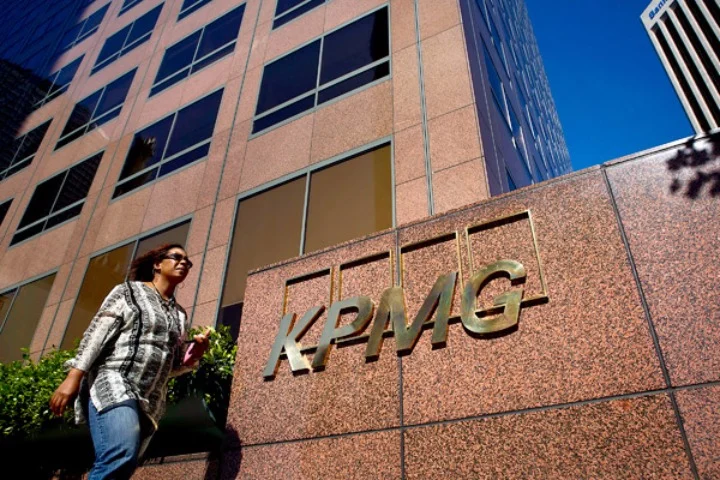
Hong Kong, a financial powerhouse long revered as the preeminent global hub for initial public offerings (IPOs), saw its two-year reign at the top conclude in 2017. The city experienced a significant downturn in the value of capital raised, a development attributed largely to the absence of "blockbuster" listings that had characterized previous years. This shift marked a critical juncture for the Asian financial center, prompting a strategic re-evaluation of its market focus and revealing a burgeoning interest in "new economy" companies. While the number of IPOs reached a record high, the substantial drop in proceeds allowed other major financial centers, including New York, Shanghai, and London, to surpass Hong Kong in the fiercely competitive global IPO league table.
A Decisive Downturn in Capital Raised
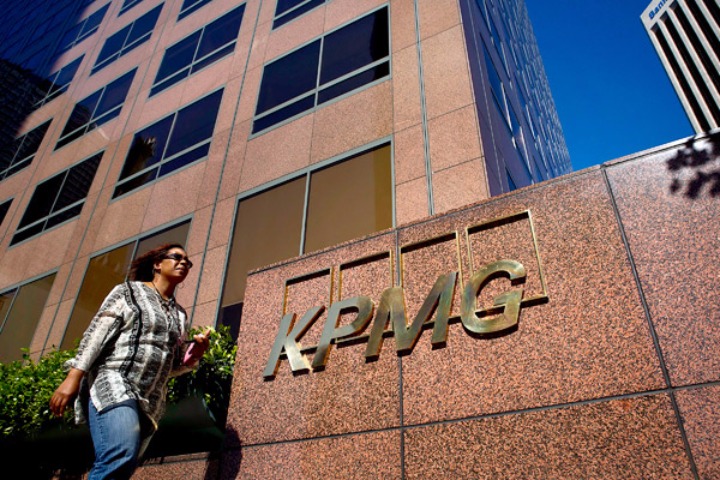
According to a comprehensive report released by KPMG, the total value of deals in Hong Kong for 2017 was projected to plummet by one-third, from an impressive HK$195 billion ($25 billion) in 2016 to an estimated HK$130 billion. This figure represents the lowest level of funds raised since 2012, signaling a notable slowdown in the market’s capacity to attract large-scale capital. Despite this sharp decline in value, the number of IPOs listed on the Hong Kong Stock Exchange (HKEX) was set to hit a record 160 for the year, underscoring a proliferation of smaller listings rather than high-value offerings. This dichotomy pushed Hong Kong down to fourth place globally, a stark contrast to its prior undisputed leadership position.
The fall in capital raised was particularly evident in the performance of the top 10 newly listed companies. These prominent listings, typically indicative of market strength, saw their collective funds plunge by 45.5 percent, from HK$148.2 billion in 2016 to HK$80.8 billion in 2017. The largest offering of the year, Guotai Junan Securities, managed to raise HK$17.2 billion. While substantial, this figure was dwarfed by the mega-deal of Postal Savings Bank of China in 2016, which alone garnered a staggering HK$59.2 billion. The absence of such "mega-IPOs" proved to be a primary factor in Hong Kong’s diminished standing, highlighting a market that was active but less robust in terms of capital aggregation.
Historical Context: Hong Kong’s IPO Dominance and Its Foundations
For many years, Hong Kong cultivated an enviable reputation as a leading gateway for Chinese enterprises seeking international capital, and a crucial bridge between mainland China and global financial markets. Its strategic geographical location, robust legal framework rooted in common law, deep liquidity pools, and an internationally recognized regulatory environment made it a natural choice for companies aiming to go public. The city’s status as a free port with no capital gains tax and unfettered capital flow further solidified its appeal.
This dominance was particularly pronounced for mainland Chinese state-owned enterprises (SOEs) and large financial institutions. These entities frequently chose Hong Kong for their public listings, leveraging its international investor base, higher valuations, and greater transparency compared to mainland exchanges at the time. The financial services sector, in particular, was a perennial powerhouse, consistently contributing the lion’s share of IPO proceeds. In 2016, for instance, an overwhelming nine out of the top 10 flotations in Hong Kong originated from the financial services sector, a testament to the market’s reliance on this traditional pillar. This consistent flow of large-cap listings from established industries ensured Hong Kong’s position at the apex of the global IPO market for several consecutive years.
However, the global financial landscape is dynamic, and shifts in economic priorities, technological advancements, and regulatory environments inevitably reshape market dynamics. The year 2017 began to reveal the contours of such a shift, signaling a potential diversification away from the traditional financial services-heavy IPO market.
The Ascendancy of "New Economy" Companies
Despite the dip in overall funds raised, 2017 was not without its silver lining for Hong Kong. Market observers, including Maggie Lee, Hong Kong-based head of capital markets development group at KPMG China, pointed to a significant and long-awaited transformation within the city’s IPO landscape. The year marked a pivotal embrace of "new economy" companies, a category encompassing innovative technology firms, internet giants, fintech companies, and advanced manufacturing enterprises that are driving modern economic growth.
This strategic pivot was underscored by the entry of four prominent "new economy" firms into Hong Kong’s top 10 largest IPOs of 2017. These listings captured considerable investor attention and signaled a new direction for the exchange:
- China Literature: Dubbed the city’s hottest and most profitable IPO in over a decade, China Literature, a mainland Chinese online publishing and e-book company backed by Tencent, captivated investors with its strong growth prospects in the digital content space. Its successful flotation highlighted the immense appetite for internet-driven business models.
- ZhongAn Online P&C Insurance: As China’s first online-only insurer, ZhongAn represented the burgeoning fintech sector. Its listing underscored the market’s readiness to embrace disruptive financial technologies and innovative business models that leverage digital platforms for broader reach and efficiency.
- Yixin Group Ltd: Another Tencent-backed entity, Yixin Group, an online auto finance transaction platform, further demonstrated the appeal of internet-enabled services in traditional sectors like automotive sales and financing.
- Razer: The listing of Razer, a global lifestyle brand for gamers, showcased the growing market for consumer technology and digital entertainment. Its success reflected the broader trend of investor interest in companies with strong brand recognition and a clear niche in high-growth segments.
These listings were more than just individual successes; they collectively represented a major boost to the exchange’s efforts to diversify its offerings. They paved the way for other promising tech startups and innovative companies to consider Hong Kong as a viable and attractive venue for their public debuts, signaling a vital adaptation to global market trends where technology and innovation are increasingly driving capital markets.
Global Competition: New York, Shanghai, and London Take the Lead
While Hong Kong navigated its transitional year, other global exchanges capitalized on the broader market dynamics. The KPMG report indicated that New York Stock Exchange (NYSE) emerged as the worldwide leader for IPOs in 2017, attracting significant capital, particularly from large-cap technology and biotech firms seeking access to the deepest and most liquid capital markets globally. The NYSE’s robust ecosystem, broad investor base, and long-standing reputation for facilitating large-scale listings provided it with a distinct advantage. NASDAQ, another key player in the US, also continued to attract numerous tech companies, reinforcing North America’s dominance in the "new economy" sphere.
More significantly for Hong Kong, the Shanghai Stock Exchange (SSE) ascended to second place globally, with the total value of listings hovering at an estimated HK$154 billion. This rise was a powerful indicator of China’s growing domestic capital markets. Factors contributing to Shanghai’s success included a rapidly expanding domestic economy, increasing investor confidence within mainland China, and a supportive regulatory environment that encouraged domestic companies to list locally. The SSE offered a compelling alternative for Chinese firms, particularly those less inclined to navigate the complexities of international listing requirements or those whose primary market and investor base were firmly within mainland China. London also positioned itself ahead of Hong Kong, benefiting from a mix of domestic and international listings, though its market dynamics are often influenced by European economic factors and geopolitical considerations.
The performance of these exchanges underscored the intensifying global competition for IPOs. For Hong Kong, it meant a greater imperative to not only attract mainland Chinese companies but also to diversify its appeal to a broader international spectrum, particularly within the high-growth "new economy" sectors.
Regulatory Adaptation and Future Outlook
Recognizing the need to remain competitive and adapt to the evolving demands of modern businesses, the Hong Kong Stock Exchange has been actively considering significant reforms to its listing rules. A crucial area of discussion involves weighted voting rights (WVR) structures, which are common among technology companies whose founders often wish to retain control even after going public. Traditional Hong Kong listing rules, prioritizing "one share, one vote," had previously deterred many tech giants, like Alibaba, from listing in the city, driving them instead to markets like New York.
The ongoing consultations and debates surrounding WVR structures, alongside other potential enhancements to listing criteria for innovative companies, indicate a proactive stance by the HKEX and the Securities and Futures Commission (SFC). Should these reforms come to fruition, they could significantly bolster Hong Kong’s attractiveness to a new generation of tech and biotech companies, many of which are emerging from mainland China and other parts of Asia. Maggie Lee of KPMG China expressed optimism for the future, believing that 2017 merely marked a "year of transition." She projected that over the coming few years, the Hong Kong market would continue to gain momentum from the burgeoning appetite for "new economy" companies.
KPMG’s forecast for 2018 reflected this optimism, placing high hopes on the local bourse to attract approximately 160 offerings and raise total funds of no less than HK$200 billion. This projection is underpinned by the expectation of continued growth in the "new economy" sector, coupled with potential regulatory changes that would make Hong Kong a more accommodating environment for innovative firms. The sustained development of the Greater Bay Area initiative, linking Hong Kong with Macau and nine cities in Guangdong province, is also expected to foster economic integration and create new opportunities for companies seeking capital, further solidifying Hong Kong’s role as a regional financial hub.
Implications for Hong Kong’s Financial Future
The events of 2017 served as a powerful reminder that while Hong Kong’s historical strengths are considerable, continued market leadership requires constant innovation and adaptability. The decline in IPO value, while a setback, simultaneously catalyzed a strategic shift that could prove beneficial in the long run. By actively courting "new economy" companies, Hong Kong is positioning itself to tap into the high-growth sectors that are shaping the global economy. This diversification away from an over-reliance on traditional financial services and SOEs is crucial for ensuring the market’s resilience and relevance in an increasingly digital and innovation-driven world.
The competition from New York, Shanghai, and London underscores the need for Hong Kong to refine its unique value proposition. This includes not only regulatory modernization but also enhancing its ecosystem for innovation, attracting top talent, and leveraging its unique position as an international financial center with deep connections to mainland China. The strategic pivot towards technology and innovation is not merely about regaining the top spot in IPO rankings but about securing Hong Kong’s long-term viability and influence as a dynamic and forward-looking global financial hub. The year 2017, therefore, was not just a year of losing a title; it was a year of profound transformation, laying the groundwork for a potentially more diversified and robust future for Hong Kong’s capital markets.


 Evan Lee Salim
 Suro Senen