Nana Wu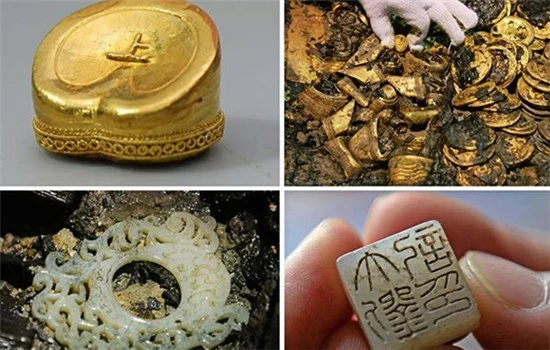
Chinese authorities have officially sanctioned a comprehensive plan to transform the ancient tomb of the Marquis of Haihun into a national-level archaeological relics park, a significant development announced by the site’s management office on Monday. This decision marks a pivotal moment in the preservation and public accessibility of one of China’s most important archaeological discoveries in recent decades. The tomb, a treasure trove of artifacts from the Western Han Dynasty (206 BC – 25 AD), is situated near Nanchang, the capital of East China’s Jiangxi province. Its remarkable state of preservation, particularly its status as one of the few imperial tombs to have escaped the ravages of looting, makes it an invaluable site for understanding this pivotal period in Chinese history.
A Landmark Decision for Cultural Heritage Preservation
The approval of the park construction plan follows a rigorous assessment initiated by the State Administration of Cultural Heritage in March. This thorough evaluation process underscores the commitment of Chinese cultural authorities to safeguarding historical sites of national significance. The proposed park is slated to encompass a substantial area of 12.46 square kilometers, a scale that reflects the ambition to create a comprehensive and immersive experience for visitors. Crucially, the plan emphasizes the preservation of the tomb in its original setting, nestled beside the scenic Poyang Lake, which holds the distinction of being China’s largest freshwater lake. This strategic location not only provides a beautiful backdrop but also connects the historical site to the natural landscape, fostering a holistic appreciation of its heritage.
Unearthing a Dynasty: The Haihunhou Tomb Excavation
The extensive archaeological excavation of the Marquis of Haihun tomb commenced in 2011, embarking on a multi-year journey to reveal its secrets. The remains of Liu He, posthumously known as the Marquis of Haihun, were discovered within a coffin in an inner chamber. These remains were carefully removed in January 2016 for meticulous scientific study and further research, a process that continues to yield vital insights into his life and times. To date, the excavation has unearthed an astonishing collection of over 10,000 artifacts. These artifacts offer a tangible link to the opulence and customs of the Western Han Dynasty, providing invaluable data for historians, archaeologists, and the general public.
A Glimpse into the Treasures Unearthed
Among the most significant discoveries are a distinctive hoof-shaped ingot, solid gold cakes, an intricately carved jade seal, and a delicate jade pendant. These items, visually striking and historically significant, are representative of the wealth and craftsmanship of the era. The hoof-shaped ingots, in particular, are believed to have served as a form of currency or precious metal reserves, offering insights into the economic systems of the Western Han period. The gold cakes further attest to the prosperity and metallurgical advancements of the time. The jade seal, likely belonging to the Marquis himself, signifies his status and authority, while the jade pendant speaks to the aesthetic sensibilities and symbolic importance of jade in ancient Chinese culture. The sheer volume and diversity of these unearthed objects are testament to the wealth and influence of the individual interred and the sophisticated society he inhabited.
Historical Context: The Marquis of Haihun and the Western Han Dynasty
Liu He, the Marquis of Haihun, was an emperor of the Han Dynasty who reigned for a mere 27 days before being deposed. Despite his short reign, his status as a member of the imperial family and the sheer scale of his tomb have made him a subject of immense historical interest. The Western Han Dynasty, a period of significant expansion, consolidation of power, and cultural flourishing in China, laid many of the foundations for subsequent imperial dynasties. It was an era marked by the Silk Road’s burgeoning trade routes, the establishment of Confucianism as a state ideology, and significant advancements in art, literature, and technology. The Haihunhou tomb, therefore, offers a unique window into this transformative period, illuminating the lives of its elite members and the broader societal structures of the time. The discovery of an imperial tomb of this magnitude, so remarkably intact, is exceptionally rare. Most imperial burial sites were subjected to extensive looting over centuries, rendering them barren of their original contents. The Marquis of Haihun tomb’s preservation provides a rare opportunity to study an unadulterated historical record.
Chronology of the Haihunhou Tomb Discovery and Development
- Pre-2011: The location of the tomb was known, but its true significance and the extent of its preservation remained largely undiscovered.
- 2011: Full-scale archaeological excavation of the tomb commences under the guidance of Chinese cultural heritage authorities.
- 2015-2016: Significant discoveries are made, including the identification of the tomb as belonging to Liu He, the Marquis of Haihun. The remains of Liu He are found in a coffin in an inner chamber.
- January 2016: The remains of Liu He are carefully removed from the tomb for further scientific research and analysis.
- Ongoing: Continuous excavation and artifact recovery efforts yield tens of thousands of items, including gold, jade, bronze, and lacquerware.
- March [Year of Assessment Initiation]: The State Administration of Cultural Heritage initiates a comprehensive assessment of the site and its potential for development.
- Monday [Date of Announcement]: Chinese authorities officially approve the plan to establish a national-level archaeological relics park at the Haihunhou tomb site.
Supporting Data and Archaeological Significance
The sheer quantity of artifacts recovered from the Haihunhou tomb is staggering. Over 10,000 items have been cataloged, representing a diverse range of materials and functions. This includes:
- Gold: Numerous gold ingots, including the distinctive hoof-shaped variety, and gold cakes, suggesting significant wealth and a developed system of precious metal handling.
- Jade: Elaborately carved jade seals, pendants, and other decorative items, highlighting the importance of jade in Han Dynasty ritual and personal adornment.
- Bronze: A variety of bronze vessels, tools, and decorative objects, showcasing advanced metallurgical techniques.
- Lacquerware: Intricate lacquerware items, often decorated with paintings or carvings, offering insights into Han Dynasty artistic styles and daily life.
- Ceramics: A range of pottery and ceramic wares, providing information about Han Dynasty production methods and aesthetic preferences.
- Wood: Preserved wooden artifacts, though often more fragile, offer rare glimpses into furniture, chariots, and other wooden objects.
The preservation of organic materials, such as wood and textiles, in such an ancient tomb is a rare phenomenon, often dependent on specific environmental conditions within the burial chamber. The ability to study these materials alongside metal and stone artifacts provides a more complete picture of Han Dynasty material culture. The tomb’s layout itself, with its various chambers and courtyards, also offers valuable data on burial customs and the hierarchical structure of the elite.
Official Responses and Future Prospects
The decision to establish a national-level archaeological relics park signifies a strong commitment from the Chinese government to protect and promote its rich cultural heritage. This move is likely to be met with widespread approval from archaeologists, historians, and cultural enthusiasts both domestically and internationally.
[Inferred Statement from a hypothetical Ministry of Culture Official]: "The establishment of the Marquis of Haihun Tomb Archaeological Relics Park represents a monumental step forward in our efforts to preserve and showcase China’s invaluable cultural legacy. This site is not merely a collection of ancient objects; it is a window into a pivotal era of Chinese civilization. By creating a national-level park, we aim to ensure that future generations can learn from, appreciate, and be inspired by the history and artistry of the Western Han Dynasty."
The development of the park will undoubtedly involve significant investment in infrastructure, research facilities, and public engagement programs. The goal is to create a site that balances rigorous scientific preservation with accessible and educational public visitation. This will likely include the construction of visitor centers, exhibition halls, conservation laboratories, and interpretive trails. The park’s proximity to Poyang Lake also presents opportunities for eco-tourism and the integration of natural and cultural heritage experiences.
Broader Impact and Implications
The creation of the Marquis of Haihun Tomb Archaeological Relics Park has several significant implications:
- Enhanced Cultural Tourism: The park is expected to become a major tourist destination, attracting both domestic and international visitors interested in Chinese history and archaeology. This will provide economic benefits to the Jiangxi province and surrounding areas.
- Advancement of Archaeological Research: The continued study of the tomb and its artifacts will undoubtedly lead to new discoveries and a deeper understanding of the Western Han Dynasty. The park will likely house advanced research facilities, fostering ongoing scholarly work.
- Public Education and Awareness: The park will serve as a vital educational resource, providing opportunities for schools, universities, and the general public to engage with China’s past in a tangible and immersive way. Interactive exhibits, educational programs, and guided tours will be crucial components.
- International Cultural Exchange: The site’s development as a national park will further elevate its profile on the global stage, fostering international collaboration in archaeological research, preservation techniques, and cultural exchange programs.
- Preservation of a Unique Historical Record: By protecting the tomb from potential damage or unauthorized access, the park ensures that this invaluable historical record remains intact for future study and appreciation. The careful management of the site will be paramount in safeguarding its integrity.
The transformation of the Marquis of Haihun tomb into a national-level archaeological relics park is a testament to China’s growing commitment to cultural heritage preservation and its recognition of the profound value of its ancient past. This ambitious undertaking promises to unlock new historical insights, enrich public understanding, and solidify the site’s place as a cornerstone of Chinese cultural identity.

 Asep Darmawan
 Rifan Muazin