Azzam Bilal Chamdy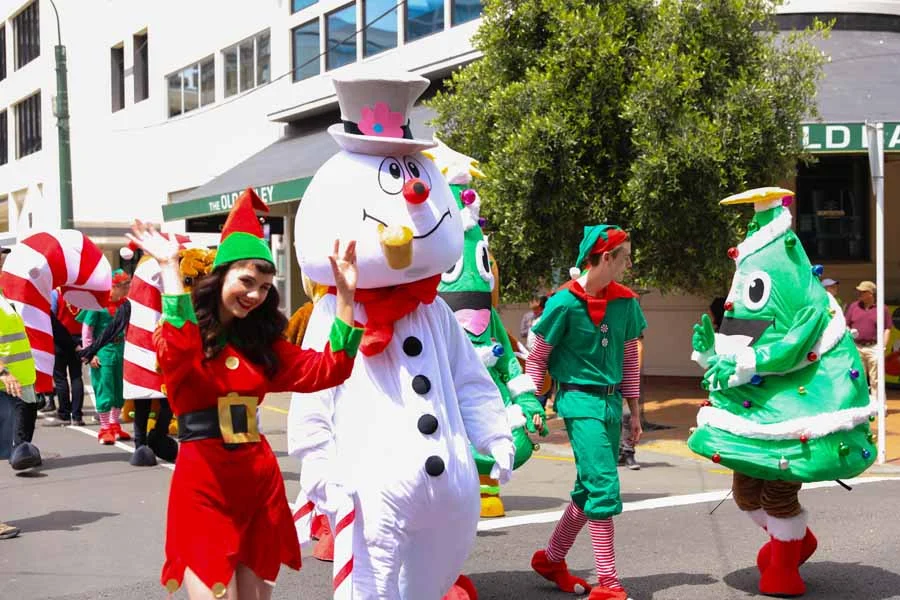
Wellington, New Zealand – The vibrant spirit of the holiday season descended upon New Zealand’s capital, Wellington, over the weekend of November 25-26, 2017, as the city officially launched its Christmas festivities with a series of celebratory events. At the heart of this annual tradition was the grand Santa Parade, a spectacular procession that captivated an estimated crowd of over 20,000 spectators lining the bustling Lambton Quay. This year’s parade marked a significant milestone with the inaugural participation of a delegation from the China Cultural Center in New Zealand, who were officially invited by the Wellington city government to infuse traditional Chinese cultural elements into the predominantly Western-style festival, creating a unique intercultural celebration.
A Festive Inauguration and Record Crowds
The 2017 Wellington Christmas Festival, spanning two days, was designed to usher in the holiday spirit for residents and visitors alike. The highlight, the Santa Parade, saw nearly 200 performers, including local community groups, musicians, dancers, and of course, Santa Claus himself, bring a festive atmosphere to the city streets. The sheer volume of attendees, estimated to be in excess of 20,000, underscores the event’s importance as a key annual fixture in Wellington’s cultural calendar. Families, couples, and individuals gathered hours in advance to secure prime viewing spots, demonstrating the parade’s broad appeal and its role in fostering community engagement during the festive period. The economic impact of such large-scale public events, while not explicitly detailed, typically includes increased foot traffic for local businesses, hospitality services, and retail outlets, contributing to the city’s economic vitality.
The Inaugural Inclusion of Chinese Culture
The most noteworthy aspect of the 2017 parade was the deliberate integration of Chinese cultural elements, orchestrated by the China Cultural Center in New Zealand. This inclusion was a direct result of an invitation extended by the Wellington city government, signaling a conscious effort to diversify and enrich the traditional Christmas celebrations. The delegation’s participation aimed to showcase the beauty and vibrancy of Chinese arts and traditions, offering a unique cultural exchange opportunity. This initiative reflects a growing trend in international cities to embrace multiculturalism within established local celebrations, fostering understanding and appreciation between different communities. The visual spectacle likely included traditional Chinese costumes, music, and perhaps even symbolic representations that resonated with the festive theme, while offering a distinct flavor to the parade.
Background and Context of the Wellington Christmas Festival
The Wellington Christmas Festival is a long-standing tradition, typically commencing in late November and continuing through December, culminating in New Year’s Eve celebrations. Its primary aim is to create a festive and welcoming atmosphere for the community as the summer holiday season approaches. The festival usually comprises a variety of events, including the iconic Santa Parade, Christmas markets, carol singing sessions, and public art installations. The parade itself has evolved over the years, from modest beginnings to a significant spectacle that draws national attention. Historically, the parade has focused on Western Christmas traditions, featuring floats representing Santa’s workshop, reindeer, elves, and religious nativity scenes. The introduction of non-Western cultural elements, as seen in 2017, represents a progressive evolution of the festival, aligning with Wellington’s identity as a diverse and inclusive capital city.
The decision to invite the China Cultural Center was likely a strategic one, reflecting the growing demographic and cultural ties between New Zealand and China. New Zealand has a significant and growing Chinese population, and cultural exchange programs are seen as vital for social cohesion and mutual understanding. The China Cultural Center, established to promote Chinese culture internationally, would have been a natural partner for such an endeavor. Their participation could have included a dedicated float, performers in traditional attire, or even a demonstration of Chinese arts such as dragon or lion dances, which are often associated with celebrations and good fortune.
Chronology of the 2017 Celebration
While precise timings for every element of the two-day festival are not detailed in the provided text, a general chronology can be inferred:
- Leading up to November 25-26, 2017: The Wellington city government, in collaboration with various community organizations and businesses, plans and organizes the annual Christmas Festival. This includes securing permits, coordinating participants, and promoting the event. The invitation to the China Cultural Center would have been extended and accepted during this planning phase.
- November 25, 2017: The festival commences. This day likely involved smaller-scale events, such as opening ceremonies, market stalls, or community gatherings, building anticipation for the main parade.
- November 26, 2017 (or a designated day within the weekend): The Grand Santa Parade takes place. This is the focal point of the weekend, drawing the largest crowds. The parade route, typically along Lambton Quay, would have been closed to traffic for the duration of the procession. The China Cultural Center delegation would have actively participated in this parade, showcasing their cultural contributions.
- Post-Parade: Following the parade, the festive atmosphere would have continued with other planned activities, such as live music, food vendors, and opportunities for children to meet Santa. The success of the parade would be assessed, and feedback gathered for future events.
Supporting Data and Cultural Significance
The participation of the China Cultural Center was not merely symbolic; it represented a tangible effort to foster intercultural dialogue. The estimated attendance of over 20,000 people for the Santa Parade indicates a significant audience that was exposed to these new cultural elements. This exposure can have a profound impact:
- Increased Cultural Awareness: For many Wellingtonians, this might have been their first direct encounter with traditional Chinese celebratory practices. This can break down stereotypes and foster a greater appreciation for diverse cultural expressions.
- Strengthening Community Bonds: By integrating different cultural groups into a shared community event, the festival becomes more inclusive. This can help bridge divides and strengthen social cohesion among Wellington’s diverse population.
- Promoting Soft Diplomacy: The presence of a national cultural center in a foreign land is often an extension of a nation’s soft power. This initiative by the China Cultural Center, facilitated by the Wellington city government, contributes to building positive bilateral relations through cultural exchange.
- Economic Implications: While difficult to quantify precisely, events that attract large crowds often lead to increased spending in local hospitality and retail sectors. The diverse appeal of an intercultural festival can attract a broader range of visitors.
The visual impact of Chinese elements would have been significant. Traditional Chinese New Year celebrations, for instance, often feature bright red and gold colors, intricate dragon and lion dances, the playing of gongs and drums, and the distribution of red envelopes (hongbao) symbolizing good luck and prosperity. While these might not be directly related to Christmas, their vibrant and auspicious nature can certainly complement a festive atmosphere. The China Cultural Center likely selected elements that were both culturally representative and adaptable to a Christmas parade setting, ensuring a harmonious blend.
Official Responses and Inferred Reactions
The invitation from the Wellington city government to the China Cultural Center signifies an official endorsement and appreciation for cultural diversity. Statements from city officials, though not quoted, would likely have highlighted the importance of inclusivity and the benefits of intercultural exchange in building a strong and vibrant community.
- Wellington City Government: Their invitation suggests a proactive approach to embracing multiculturalism. An official statement might have read something along the lines of, "We are delighted to welcome the China Cultural Center to our annual Christmas parade. Their participation enriches our celebrations and reflects the diverse tapestry of our city. This collaboration is a testament to Wellington’s commitment to fostering understanding and connection between different cultures."
- China Cultural Center in New Zealand: Their acceptance and participation would have been met with enthusiasm from their organization. A representative might have expressed their honor and excitement, stating, "It is a great privilege to be invited to join Wellington’s Christmas festivities. We are eager to share the beauty of Chinese culture with the people of Wellington and to contribute to a truly global celebration of joy and goodwill. This is a wonderful opportunity for cultural exchange and to strengthen the bonds between China and New Zealand."
- Spectator Reactions (Inferred): Given the positive nature of such events, it is highly probable that spectators reacted with curiosity and delight. The novelty of seeing traditional Chinese elements alongside Western Christmas themes would have been a talking point. Many would likely have appreciated the effort to make the parade more inclusive and visually diverse. Social media platforms would have likely been abuzz with photos and positive comments about the unique additions to the parade.
Broader Impact and Implications
The integration of Chinese elements into the Wellington Christmas parade has implications that extend beyond a single event. It sets a precedent for future festivals and strengthens Wellington’s reputation as a cosmopolitan and inclusive city.
- Model for other cities: This initiative can serve as a model for other cities in New Zealand and globally, demonstrating how established cultural events can be successfully adapted to embrace diversity. It shows that traditional celebrations can evolve to become more representative of contemporary societies.
- Strengthening Sino-New Zealand relations: Cultural diplomacy plays a crucial role in international relations. By fostering positive interactions and mutual understanding at a grassroots level, such events contribute to stronger people-to-people ties between China and New Zealand.
- Economic benefits of diversity: A city that embraces cultural diversity often becomes a more attractive destination for tourism and investment. Events like this, which celebrate multiculturalism, enhance a city’s global appeal.
- Educational value: For younger generations, experiencing different cultures firsthand within a familiar setting provides invaluable educational opportunities, promoting open-mindedness and a global perspective from an early age.
The success of the China Cultural Center’s participation in the 2017 Wellington Christmas parade underscores the evolving nature of cultural celebrations in a globalized world. It highlights the potential for traditional events to be reinterpreted and enriched by incorporating diverse cultural narratives, fostering a more vibrant, inclusive, and interconnected community. This event was more than just a parade; it was a testament to the power of culture to unite people and to celebrate the shared spirit of the holiday season in new and meaningful ways.

 Asep Darmawan
 Rifan Muazin