Asep Darmawan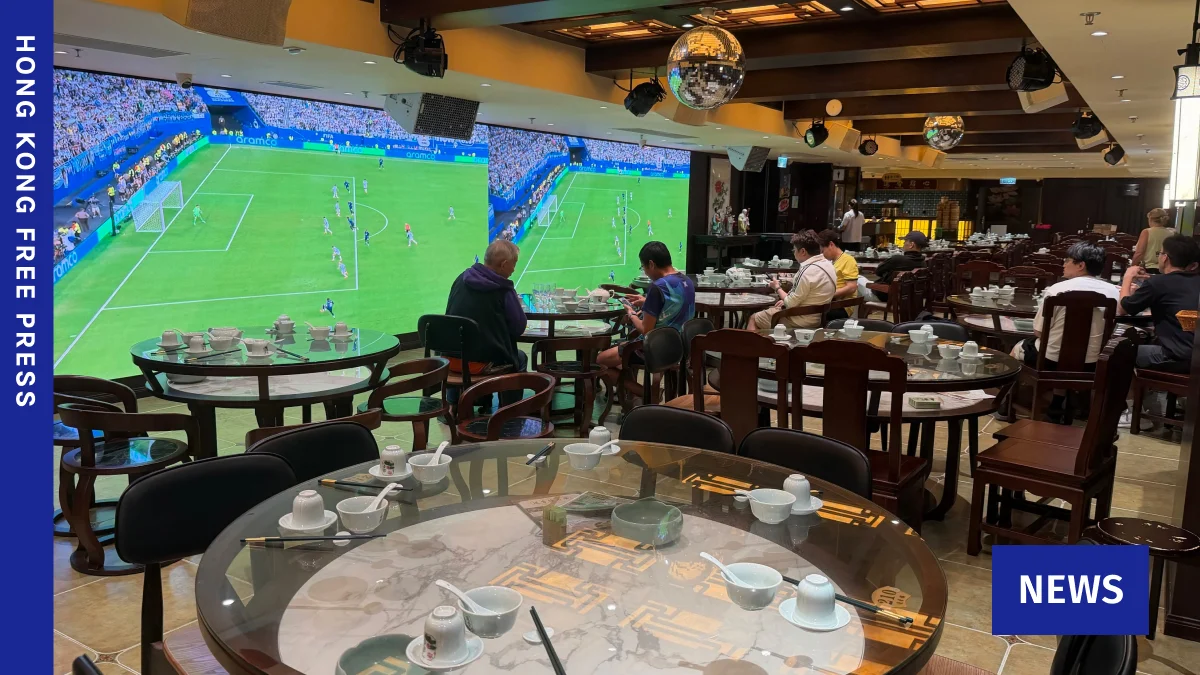
Hong Kong’s bars and restaurants experienced a significant revenue boost of an estimated HK$500 million during the recent World Cup, a figure that surpassed initial industry expectations. This impressive financial uplift occurred despite the tournament’s schedule, which saw most matches broadcast in the middle of the night Hong Kong time due to the substantial time difference with the co-hosting nations of Canada, Mexico, and the United States.
Simon Wong, president of the Hong Kong Federation of Restaurants & Related Trades, revealed the positive financial impact during an RTHK radio broadcast on Monday morning. He stated that the live screenings of the football matches, which concluded with Spain’s victory over Argentina in the final, generated a "higher-than-expected boost" for eateries across the city. Wong elaborated that the industry saw a month-on-month revenue increase of approximately 6 percent, a figure considerably higher than the initial forecast of a modest 2 to 3 percent growth.

"This is quite encouraging for the restaurant industry," Wong commented in Cantonese, noting that the atmosphere in establishments across Hong Kong "heated up" significantly as the tournament progressed through its crucial stages, including the round of 16 and the quarter-finals.
The World Cup, a quadrennial international football competition contested by the senior men’s national teams of the members of the Fédération Internationale de Football Association (FIFA), is one of the most widely viewed sporting events globally. This year’s edition, held from November 20 to December 18, 2022, was particularly challenging for viewership in Hong Kong due to the significant time zone difference. Matches often kicked off between midnight and 4 AM local time, requiring dedicated fans to stay up late or wake up in the early hours.
Despite these viewing hurdles, Hong Kong’s hospitality sector demonstrated remarkable adaptability and resilience. Many establishments, ranging from traditional bars to well-known eateries like the famed yum cha restaurant Lin Heung Tea House in Central, invested in large screens and extended their operating hours. These efforts were aimed at creating a communal viewing experience for passionate football fans, transforming late-night hours into prime business periods. This proactive approach allowed businesses to capitalize on the global sporting spectacle.

Strategic Adaptations and Investments Drive Success
The success of bars and restaurants in leveraging the World Cup for revenue generation highlights a strategic shift in how the industry approaches major sporting events. Wong indicated that restaurants had made considerable investments in audiovisual equipment, including large-screen televisions and robust livestreaming hardware. This investment, he suggested, would likely encourage eateries to continue capitalizing on major sporting events in the future as a means to attract and retain customers.
The implications of this trend extend beyond immediate financial gains. It suggests a growing recognition within the hospitality sector of the potential for events-based revenue streams, particularly those that foster a sense of community and shared experience. By transforming dining spaces into vibrant viewing hubs, restaurants and bars not only served food and drinks but also provided a crucial social gathering point for fans who wanted to collectively experience the excitement of the tournament.

Beyond Restaurants: Malls Embrace the Sporting Frenzy
The impact of the World Cup extended beyond traditional dining establishments, reaching into Hong Kong’s ubiquitous shopping malls. Large retail complexes also became popular venues for fans to gather and watch the final matches, particularly in the early hours of Monday morning as the tournament drew to a close.
Several malls went the extra mile to enhance the fan experience and drive foot traffic. Olympian City in Tai Kok Tsui, for instance, collaborated with on-site restaurants, including popular chains like McDonald’s and Dough Bros. This partnership facilitated direct food delivery services to the mall’s atrium, where the matches were being screened. Such initiatives not only catered to the fans’ needs but also provided a significant boost to the participating food vendors within the mall.

In Tseung Kwan O, Metro City Plaza implemented a thoughtful service for fans who had stayed up late to watch the final. According to a report by HK01, the mall arranged for buses to transport fans to key transportation hubs in Central and Mong Kok after the match concluded. This considerate gesture aimed to ease the transition for fans heading to their workplaces, demonstrating a commitment to customer welfare that went beyond simple match broadcasting.
Economic Context and Future Outlook
The HK$500 million revenue injection comes at a time when Hong Kong’s economy is still navigating the complexities of post-pandemic recovery. While the city has seen a gradual rebound in consumer spending, the hospitality sector has faced persistent challenges, including rising operating costs and evolving consumer preferences. The unexpected success driven by the World Cup offers a much-needed positive economic signal and a potential blueprint for future engagement with major international events.

The increased footfall and spending in bars, restaurants, and malls during the World Cup not only benefited these businesses directly but also had a ripple effect on related industries, such as food suppliers and beverage distributors. The heightened demand for late-night dining and entertainment services also provided employment opportunities for staff working extended hours.
Looking ahead, the success of this year’s World Cup viewership in Hong Kong suggests that other major sporting events, particularly those with a global following and compelling narratives, could offer similar opportunities for the city’s businesses. The willingness of establishments to invest in infrastructure and adapt their operating models in response to consumer demand for live event experiences is a key takeaway.
Industry representatives like Simon Wong are likely to advocate for policies and support that facilitate similar initiatives in the future. This could include streamlined licensing for extended operating hours during major events or incentives for businesses investing in public viewing infrastructure. The ability of Hong Kong’s vibrant F&B and retail sectors to transform challenges, such as inconvenient broadcast times, into opportunities for growth underscores the city’s dynamic and adaptive commercial landscape. The collective enthusiasm for global events like the World Cup, coupled with the industry’s ingenuity, has once again proven to be a powerful engine for economic activity.

 Layla Zulfa
 Basiran