Rifan Muazin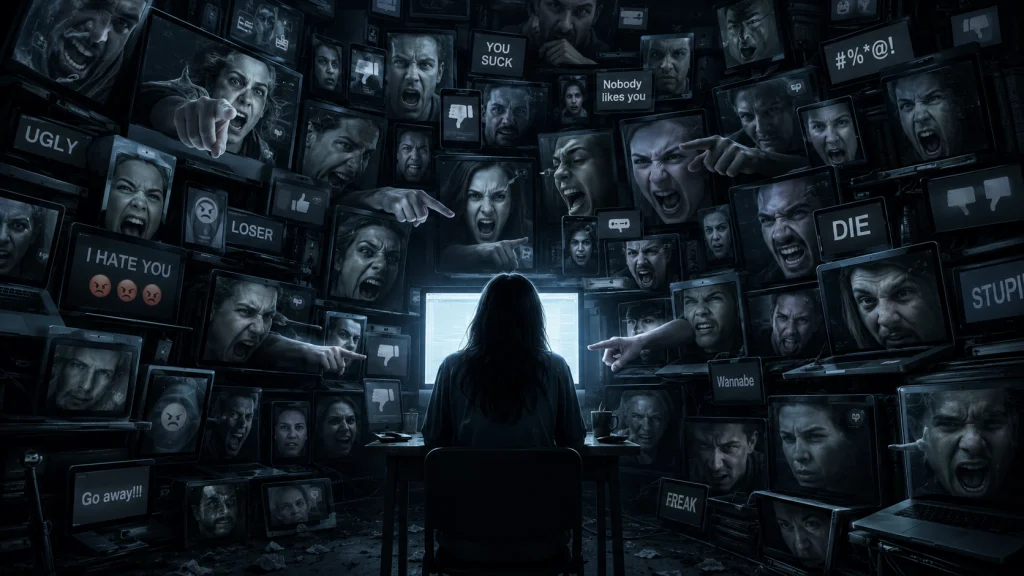
Background and Legislative Context
The introduction of the draft Law on Countering Cyberviolence comes at a critical juncture for China’s digital governance. For over a decade, China has grappled with the "wild west" nature of its social media platforms, where "human flesh searches" (doxing), coordinated smear campaigns, and viral misinformation have led to severe real-world consequences. High-profile tragedies, such as the suicide of teenagers and young adults following relentless online bullying, have spurred public outcry for stricter oversight.
Previously, the regulation of online behavior relied on a patchwork of laws, including the Civil Code, the Criminal Law, the Cybersecurity Law, and the Personal Information Protection Law (PIPL). In September 2023, the Supreme People’s Court, the Supreme People’s Procuratorate, and the Ministry of Public Security issued "Guiding Opinions on Punishing Cyberviolence Crimes in Accordance with the Law." This draft law builds upon those opinions, codifying the responsibilities of internet service providers (ISPs), government agencies, and social organizations into a singular, enforceable document.
Defining the Scope of Cyberviolence
Article 2 of the draft provides a precise legal definition of cyberviolence, categorizing it as the use of the internet to harm the rights of others—including reputation, honor, privacy, and likeness—in a concentrated or sustained manner. Specifically, the law targets:
- The concentrated publication of insults, rumors, defamation, or incitement of hatred and antagonism.
- The illegal disclosure of personal information (doxing).
- Sustained online intimidation and harassment.
- Other activities that infringe upon lawful rights through digital means.
Crucially, Article 3 establishes "long-arm" jurisdiction, stating that the law applies not only to activities within mainland China but also to overseas organizations or individuals who target victims within Chinese territory. This reflects a growing concern over cross-border digital interference and the use of foreign platforms to orchestrate domestic unrest or personal attacks.
A New Mandate for Platform Governance
The draft law places the primary burden of prevention on online service providers. Under Chapter II, platforms are required to implement a multi-layered defense system. Article 12 reinforces the "real-name registration" requirement, prohibiting providers from offering services like instant messaging or information publication to users who do not verify their identities.
Article 13 introduces a mandate for technological intervention. Platforms must develop "early-warning models" and maintain pools of cyberviolence markers. By utilizing artificial intelligence (AI) and big data, ISPs are expected to monitor and identify risks in real-time. If a risk is detected, platforms must immediately cease using algorithmic recommendations to promote the content and may be required to limit traffic or suspend the updates of "irregular accounts."
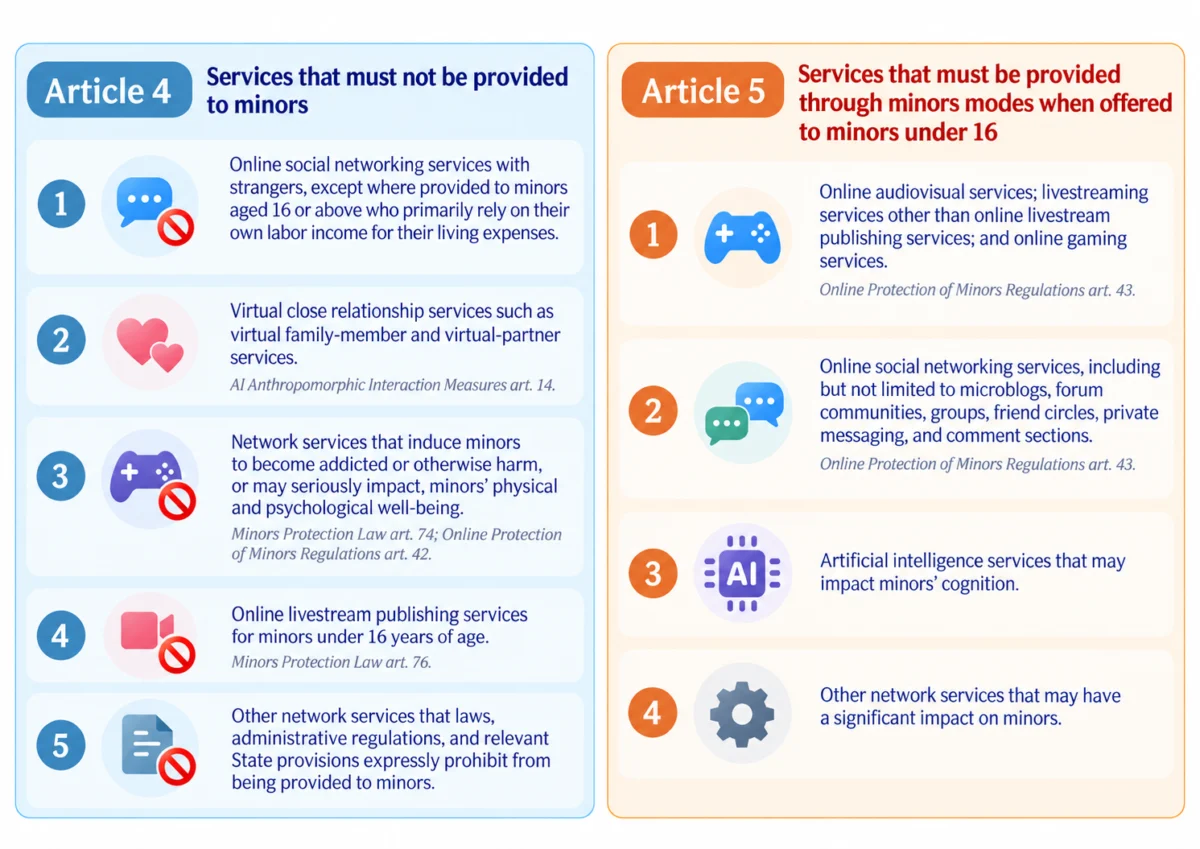
Furthermore, Article 14 requires platforms to provide users with "one-click" protection functions, allowing them to block unknown users or prohibit comments and forwards on their posts. Special protections are mandated for vulnerable groups, including minors, the elderly, and persons with disabilities. Platforms must provide these groups with guided protection services and report potential criminal leads to public security organs immediately.
The Role of MCNs and Influencers
A notable inclusion in the draft is the regulation of Multi-Channel Network (MCN) agencies and high-influence accounts. Article 33 and 34 address the "commercialization" of cyberviolence. MCNs—entities that manage groups of influencers—are now legally responsible for the conduct of their signed creators. If an influencer under an MCN’s umbrella carries out cyberviolence, the MCN must take corrective action, such as suspending monetization or terminating agreements.
If the MCN itself organizes or incites cyberviolence for "marketing hype" or "unfair competition," the penalties are severe. Platforms are empowered to remove these organizations from their services, place them on blacklists, and report them to provincial-level cybersecurity authorities. This move targets the "water army" industry—paid posters who manipulate public opinion for profit.

Supporting Data and Social Governance
The necessity of this law is underscored by the scale of China’s internet population, which reached 1.09 billion users as of December 2023. According to data from various Chinese social surveys, over 40% of internet users have reported experiencing some form of online harassment. The "Clean Cyber" (Qinglang) campaigns conducted by the Cyberspace Administration of China (CAC) in recent years have already resulted in the deletion of millions of harmful posts and the closure of hundreds of thousands of accounts, yet the persistent nature of cyberviolence suggests that administrative campaigns alone are insufficient.
The draft law advocates for a "co-governance" model. Article 28 tasks education departments with integrating anti-cyberviolence literacy into school curricula, while Article 29 places a legal responsibility on guardians to monitor and guide the internet usage of minors. This holistic approach aims to foster a "healthy and uplifting" online culture as part of the broader "Core Socialist Values" framework mentioned in Article 4.
Judicial Protections and Legal Remedies
Chapter V of the draft introduces innovative judicial mechanisms to protect victims. Article 37 allows individuals to apply for an "injunction against harm to personality rights" if they can prove that imminent cyberviolence will cause irreparable harm. This is a significant procedural tool, allowing victims to freeze the spread of defamatory information before a full trial concludes.
The draft also clarifies the roles of the police and prosecutors. Article 42 mandates that procuratorate organs initiate public prosecutions if cyberviolence "seriously impacts social order or national interests." This lowers the burden on individual victims, who often lack the resources to gather digital evidence for private prosecutions. Furthermore, Article 39 requires public security organs to assist victims in collecting evidence, addressing a common hurdle where victims are unable to identify anonymous attackers without police intervention.
Penalties and Enforcement
The draft law carries significant financial and operational teeth. Chapter VI outlines a graduated system of penalties:
- For Platforms: Minor violations of management systems can result in fines of up to 500,000 RMB. However, if a platform refuses to correct issues or if the circumstances are "especially serious," fines can soar to 10 million RMB. Authorities may also order the suspension of operations, revocation of business licenses, and the closure of websites or applications (Articles 48 and 49).
- For Individuals: Directly responsible managers at tech firms can face personal fines of up to 1 million RMB. For perpetrators of cyberviolence, the law defers to the Civil Code and Criminal Law, but Article 57 explicitly allows victims to demand compensation for "mental harm."
- For State Workers: Article 56 warns that government officials who neglect their duties or abuse their power in the fight against cyberviolence will face administrative sanctions or criminal charges.
Analysis of Implications
The Law on Countering Cyberviolence represents a paradigm shift in how digital speech is regulated in the world’s largest online market. By defining cyberviolence as a threat to "national security and societal public interest," the Chinese state is signaling that digital interpersonal conduct is no longer a private matter but a regulatory priority.
For technology companies, the law necessitates a massive investment in AI-driven moderation and real-name verification systems. The requirement to store records and report "notable increases" in search or comment volume (Article 13) effectively turns platforms into frontline monitors for the state. While this may reduce the prevalence of coordinated harassment, it also raises questions regarding the boundaries of digital surveillance and the potential for over-censorship as platforms seek to avoid the 10-million-RMB "serious circumstance" fines.
For the legal system, the introduction of personality rights injunctions and the active involvement of the procuratorate in "public interest litigation" (Article 43) suggests a more interventionist judiciary. This could streamline justice for victims of doxing and defamation, but it also centralizes control over what constitutes "harmful information."
Conclusion
The draft Law on Countering Cyberviolence is a comprehensive attempt to codify digital civility. By targeting the entire chain of cyberviolence—from the individual perpetrator and the managing MCN to the hosting platform—the legislation creates a web of accountability. As the draft moves through the comment period toward formal adoption, its implementation will be closely watched by international legal experts and tech firms as a blueprint for state-led digital social engineering. The ultimate success of the law will depend on the balance struck between protecting individual dignity and maintaining the vibrancy of digital discourse in an increasingly regulated cyberspace.

 Layla Zulfa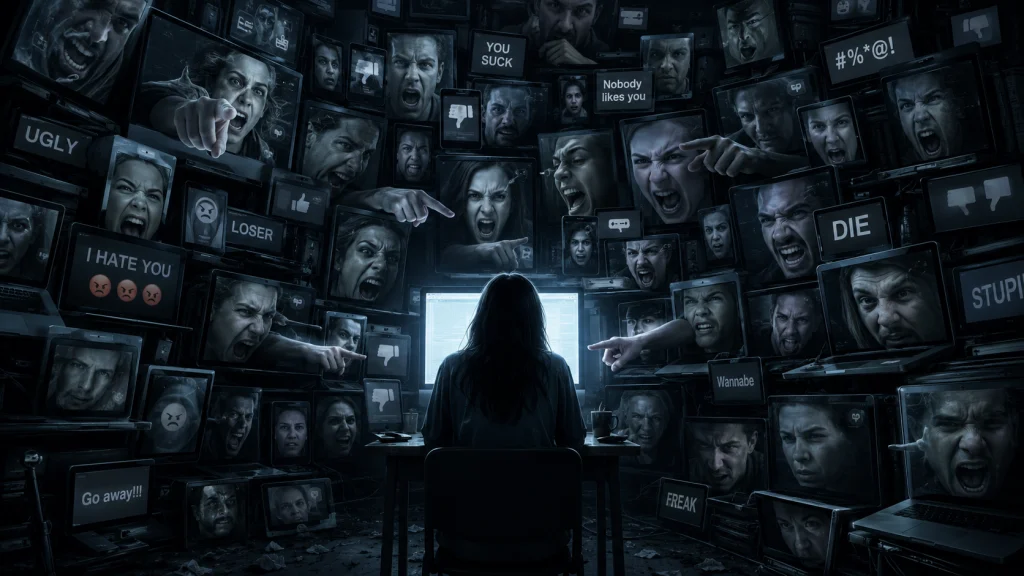
 Dwi Wanna