Iffa Jayyana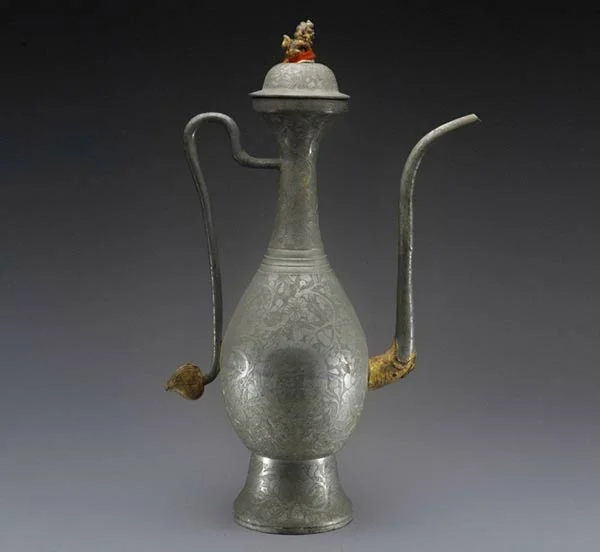
As the ancient Chinese calendar ushers in the "Major Snow" (大雪), the 21st solar term of the year, marking a palpable descent into winter’s embrace with significantly lower temperatures and the intensification of snowfall, a profound cultural resonance is being celebrated. This period, deeply ingrained in agrarian societies for its implications on agricultural cycles and seasonal traditions, traditionally evokes a sense of cozy introspection and communal warmth. In ancient times, and even in many contemporary households, the ritual of warming wine on a stove and savoring its comforting heat beside a flickering flame epitomizes the cherished enjoyment of the coldest season. It is within this spirit of seasonal appreciation that the esteemed Palace Museum in Beijing has extended a virtual invitation to the public, sharing a captivating collection of its ancient wine vessels with netizens across the popular microblogging platform, Sina Weibo. This digital exhibition serves as a poignant reminder of China’s rich history of craftsmanship and its enduring cultural practices associated with the consumption and ritual of wine.
A Glimpse into Ancient Chinese Oenology and Ritual
The Palace Museum’s initiative transcends a mere display of artifacts; it offers a window into the historical significance of wine in Chinese society and the evolution of its vessels. Wine, far from being solely a beverage, was an integral component of religious ceremonies, social gatherings, and aristocratic life throughout various dynasties. The vessels used to hold and serve wine were not merely utilitarian but were often imbued with symbolic meaning, reflecting the artistic sensibilities, technological advancements, and social hierarchies of their respective eras.
The ‘Gong’: A Vessel of Ritual and Symbolism
Among the featured artifacts, the "Gong" (觥) holds particular historical importance. Described as an ancient wine vessel, the Gong was characteristically crafted in the shape of animals, a testament to the ancient Chinese affinity for imbuing everyday objects with symbolic representations of nature and power. Its popularity spanned a significant period, flourishing from the late Shang Dynasty (circa 16th century – 11th century BC) to the early Western Zhou Dynasty (circa 11th century – 771 BC). This era, known as the Bronze Age in China, witnessed the zenith of bronze casting technology, and many of the surviving Gong vessels are masterpieces of this intricate art form. The animalistic forms, often depicting creatures like dragons, phoenixes, or mythical beasts, were believed to invoke blessings, ward off evil spirits, or signify the status and power of the owner. These vessels were not typically used for casual drinking but were primarily employed in solemn ancestral rituals and important state ceremonies, underscoring the sacred and ceremonial role of wine in ancient Chinese governance and spirituality. The craftsmanship involved in creating these bronze Gong vessels required immense skill, with intricate patterns and detailed animalistic features meticulously rendered. The alloys used, typically copper and tin, were carefully proportioned to achieve the desired durability and aesthetic qualities.
The Wine Pot: Evolution of Form and Function
Complementing the ceremonial Gong, the "wine pot" represents a more utilitarian yet equally significant category of wine vessel. The description provided highlights its typical characteristics: a long neck, a large belly, and round feet. This form is indicative of a design optimized for storing and pouring wine. The long neck could help to control the flow of the liquid, minimizing spillage, while the large belly would have provided ample capacity. The round feet likely served to stabilize the pot on various surfaces. While the Gong’s animalistic forms speak to its ritualistic purpose, the evolution of the wine pot reflects a progression towards more practical and perhaps widespread use. Over centuries, the materials, ornamentation, and specific dimensions of wine pots would have varied significantly, mirroring the changing tastes, available resources, and technological innovations of different dynasties.
The Palace Museum’s Digital Outreach: A Celebration of Heritage
The Palace Museum’s decision to share these images on Sina Weibo is a strategic move to engage a contemporary audience with its vast and invaluable collection. In an era where digital platforms dominate information dissemination, this approach allows for a broader reach, transcending geographical boundaries and engaging younger generations who might not have the opportunity to visit the museum in person. The Palace Museum, itself a UNESCO World Heritage site and formerly the Imperial Palace of the Ming and Qing dynasties, houses an unparalleled collection of Chinese art and artifacts, offering a profound connection to the nation’s historical and cultural legacy. By curating and presenting these wine vessels, the museum not only educates but also fosters a sense of national pride and an appreciation for the artistry and history embedded within these objects.
Supporting Data and Historical Context
To further contextualize the significance of these vessels, it is important to consider the historical periods from which they originate.
- Shang Dynasty (c. 1600–1046 BC): This period is renowned for its sophisticated bronze casting. Vessels like the Gong were central to the elaborate rituals performed by the ruling elite, often involving extensive feasting and ceremonies. The Shang rulers were believed to communicate with their ancestors and deities through these rituals, with wine playing a crucial role as an offering and a medium for spiritual communion. Archaeological discoveries, such as those at Anyang, the last Shang capital, have unearthed numerous bronze ritual vessels, providing invaluable insights into their forms and uses.
- Western Zhou Dynasty (1046–771 BC): The Western Zhou inherited and further developed many Shang traditions, including the use of bronze ritual vessels. However, there was also a gradual shift towards more formalized social structures and a greater emphasis on ethics and governance. Wine vessels from this period continue to exhibit exquisite craftsmanship, and their ritualistic use remained paramount, albeit with a growing emphasis on the moral implications of wine consumption, as documented in early Chinese texts like the "Book of Documents" (Shu Jing).
- Qing Dynasty (1644–1911): The tin-made wine pot from the Qing Dynasty, as highlighted in the accompanying image, represents a much later period. By the Qing Dynasty, while ritualistic uses of wine continued, its consumption had also become more widespread and integrated into daily aristocratic life. The use of tin, a more accessible and malleable metal than bronze, suggests a broader production and availability of wine vessels. The Qing court was known for its opulence and elaborate ceremonies, and wine played a part in both. The craftsmanship of Qing Dynasty metalwork was also highly refined, with intricate designs and meticulous finishing.
Chronology of Significance
The evolution of wine vessels in China can be broadly traced through these periods:
- Neolithic Period (c. 7000–2000 BC): Early forms of fermented beverages existed, likely made from grains and fruits. Archaeological evidence suggests rudimentary pottery vessels were used for storage and consumption.
- Shang Dynasty (c. 1600–1046 BC): The golden age of bronze casting. Elaborate ceremonial vessels like the Gong, often zoomorphic, became prominent, central to religious and state rituals.
- Western Zhou Dynasty (1046–771 BC): Continued refinement of bronze casting. Ritualistic use of wine vessels remained a cornerstone of governance and social order.
- Eastern Zhou Dynasty (771–256 BC): While bronze casting continued, other materials like lacquer and pottery gained prominence. Wine consumption diversified, becoming more prevalent in aristocratic banquets.
- Han Dynasty (206 BC–220 AD): Development of ceramic wine vessels, including ewers and cups. The Silk Road facilitated the exchange of wine-making techniques and the introduction of new grape varieties.
- Tang Dynasty (618–907 AD): A period of cultural flourishing. Ceramic vessels, particularly those with sancai (three-color) glazes, became popular for serving wine.
- Song Dynasty (960–1279 AD): Refined porcelain production. Elegant ceramic wine sets, including ewers, cups, and warming pots, were common.
- Ming and Qing Dynasties (1368–1911 AD): Continued production of exquisite porcelain and metalware. The use of tin and other metals for wine pots became more widespread, alongside continued ceramic traditions.
Broader Impact and Implications
The Palace Museum’s digital exhibition serves multiple purposes. Firstly, it democratizes access to cultural heritage. In a globalized world, such online initiatives are crucial for cultural preservation and dissemination. Secondly, it highlights the enduring cultural significance of wine and its associated rituals in China. While modern interpretations of wine consumption have evolved, the historical appreciation for its role in social and spiritual life remains a vital part of Chinese identity.
The timing of this exhibition, coinciding with the Major Snow solar term, is particularly apt. It draws a direct connection between the natural rhythms of the year and the cultural practices that have been developed to acknowledge and celebrate them. The imagery of warming wine by a fire during this cold period evokes a sense of comfort, tradition, and continuity.
Furthermore, this initiative can stimulate interest in further research and study of Chinese archaeology, art history, and cultural anthropology. The intricate details of the wine vessels, their materials, and their symbolic meanings offer rich avenues for academic exploration. For the general public, it provides an accessible and engaging way to learn about China’s rich past and the sophisticated artistry of its ancient civilizations. The Palace Museum’s forward-thinking use of social media demonstrates a commitment to making its vast collection relevant and accessible to a global audience in the 21st century. This approach not only educates but also fosters a deeper appreciation for the cultural tapestry that has been woven over millennia. The continued sharing of such collections can serve as a powerful tool for cultural diplomacy and cross-cultural understanding.

 Asep Darmawan
 Rifan Muazin