Reynand Wu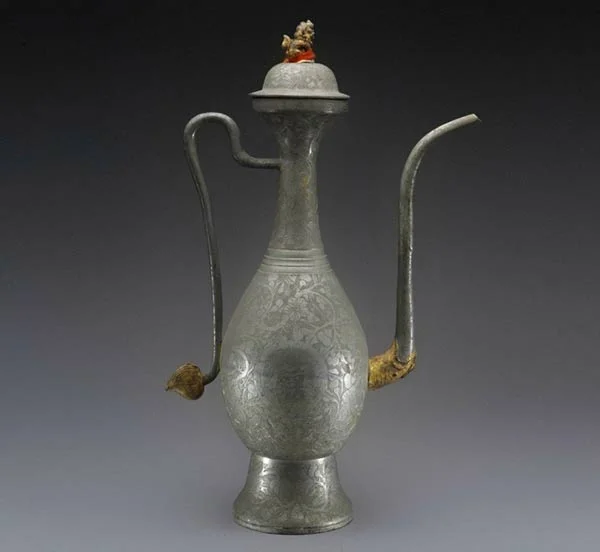
As the 21st solar term, Major Snow (Dàxuě), descends upon the land this Thursday, ushering in a significant drop in temperature and heavier snowfall, the spirit of winter is being celebrated in unique ways. This period, historically associated with the intensification of cold and the transformation of landscapes into pristine white expanses, evokes a sense of cozy conviviality, often symbolized by the warmth of mulled wine savored by a crackling fire. In resonance with this wintry tradition and to celebrate the season, the esteemed Palace Museum in Beijing has generously shared a captivating collection of its ancient wine vessels with a global audience via the popular microblogging platform, Sina Weibo. This initiative offers a rare glimpse into the artistry, craftsmanship, and cultural significance of these historical artifacts, connecting contemporary audiences with the enduring legacy of Chinese civilization.
A Glimpse into China’s Rich Wine Culture Through the Ages
The Palace Museum’s online exhibition showcases a diverse array of wine vessels, each a testament to centuries of artistic innovation and evolving social customs. Among the featured artifacts are the gong, an ancient wine vessel that flourished from the late Shang Dynasty (circa 16th century-11th century BC) through the early Western Zhou Dynasty (circa 11th century-771 BC). These vessels were often ingeniously crafted in the likeness of animals, reflecting the deep connection between nature and ritual in early Chinese society. Complementing the gong are wine pots, characterized by their distinctive long necks, generous bellies, and rounded feet, designed for both aesthetic appeal and practical use in storing and serving wine.
The selection presented by the Palace Museum spans various dynasties, offering a chronological journey through the evolution of Chinese ceramic and metalworking traditions. While the article specifically highlights a tin-made wine pot from the Qing Dynasty (1644-1911), the broader collection likely encompasses a rich tapestry of materials such as bronze, jade, porcelain, and lacquer, each with its own historical context and stylistic nuances. These vessels were not merely utilitarian objects; they were integral to elaborate ceremonies, diplomatic exchanges, scholarly gatherings, and daily life, embodying the social status and aesthetic sensibilities of their owners.
The Significance of Major Snow (Dàxuě) in Chinese Culture
The timing of this exhibition is particularly poignant, coinciding with Major Snow, a solar term that holds considerable cultural and agricultural significance in China. Falling around December 7th or 8th, Major Snow marks a pivotal point in the winter calendar. It signifies that snow cover will become widespread and heavier, and temperatures will continue to plummet. Historically, this period was crucial for agriculture, as the insulating snow blanket protected overwintering crops from harsh frosts and provided essential moisture for the spring thaw.
Beyond its agricultural implications, Major Snow also influenced traditional Chinese lifestyle and festivities. The arrival of substantial snowfall often signaled a time for indoor pursuits, such as storytelling, board games, and the enjoyment of warm beverages. The practice of warming wine, mentioned in the original piece, is a deeply ingrained tradition associated with warding off the winter chill and fostering a sense of community and warmth. This cultural association makes the Palace Museum’s showcase of wine vessels a particularly fitting tribute to the season.
Historical Context: The Evolution of Chinese Wine Vessels
The history of Chinese wine vessels is as ancient as Chinese civilization itself. Archaeological evidence suggests that the use of fermented beverages dates back to the Neolithic period. Early vessels were likely simple earthenware, gradually evolving in complexity and artistry as metallurgical and ceramic technologies advanced.
The Shang and Zhou Dynasties (c. 1600 BCE – 256 BCE): This era, particularly the late Shang and early Western Zhou, was a golden age for bronze casting. The gong vessels, often shaped as mythical beasts or animals like dragons, phoenixes, and tigers, were frequently made from bronze. These were not everyday items but were primarily used in important ritual ceremonies, ancestor worship, and feasting by the ruling elite. Their intricate designs and the sheer weight of the bronze often indicated the wealth and power of the owner. Examples might include vessels like the jue, jia, and ding, which were used for holding, heating, and serving wine and other ritual offerings. The symbolic meanings embedded in the animal motifs often related to power, fertility, and protection.
The Qin and Han Dynasties (221 BCE – 220 CE): While bronze continued to be used, other materials like pottery and lacquerware gained prominence. The Qin Dynasty, though short-lived, unified China and standardized many aspects of culture, including potentially vessel design. The Han Dynasty saw further development in pottery, with the creation of more sophisticated ceramic wine vessels. Excavations have revealed tomb pottery that includes wine jars and ewers, suggesting that wine consumption was becoming more widespread beyond just elite rituals.
The Tang Dynasty (618 – 907 CE): The Tang Dynasty is renowned for its cosmopolitanism and its appreciation for fine arts. Porcelain production flourished, with the development of exquisite ceramics, including celadon and white porcelain. Wine vessels from this period often reflected international influences, with elegant shapes and decorative motifs. Tea culture also began to rise during this period, and while wine remained popular, the consumption patterns and associated vessels continued to evolve.
The Song Dynasty (960 – 1279 CE): The Song Dynasty is considered a peak period for Chinese art and culture, marked by refinement and intellectual pursuit. Ceramic artistry reached new heights, with renowned kilns producing wares of exceptional quality. Song Dynasty wine vessels often featured understated elegance, with a focus on form and glaze. Both everyday and more elaborate vessels were produced, reflecting a broader engagement with wine culture.
The Ming and Qing Dynasties (1368 – 1912 CE): These dynasties witnessed the zenith of porcelain production, particularly blue and white porcelain and polychrome wares. The Qing Dynasty, in particular, saw a continuation and refinement of earlier traditions, with elaborate designs and sophisticated craftsmanship. The tin-made wine pot mentioned in the original article is a prime example of the diverse materials and styles that characterized this era. Tin, while less common than bronze or ceramics for high-status vessels, was also used, particularly for its practicality and malleability in creating functional and decorative pieces. Other materials like silver and gold were also employed for luxury wine vessels among the imperial court and wealthy aristocracy.
Supporting Data and Broader Context
The Palace Museum, formerly the Forbidden City, is home to an unparalleled collection of imperial artifacts, numbering over 1.8 million items. Its collection of art and historical objects offers invaluable insights into the cultural, political, and social history of China. The decision to share these wine vessels online, especially during a significant solar term, reflects a modern approach to cultural heritage dissemination, aiming to engage a wider audience beyond physical visitors.
The use of Sina Weibo, a platform with hundreds of millions of active users, underscores the museum’s commitment to digital outreach and cultural education. This digital exhibition format allows for:
- Accessibility: Reaching individuals who cannot physically visit the museum due to geographical limitations or other constraints.
- Engagement: Fostering interaction and discussion among netizens, allowing for shared appreciation and learning.
- Preservation: Digitally documenting and sharing these precious artifacts, contributing to their long-term preservation and accessibility for future study.
- Education: Providing a visual and informational resource for students, scholars, and the general public interested in Chinese art, history, and culture.
Official Responses and Inferred Reactions
While direct statements from museum officials are not provided in the original text, the act of sharing these artifacts on Weibo itself serves as an official endorsement and promotion of Chinese cultural heritage. This initiative can be interpreted as a strategic move to:
- Enhance Public Awareness: Highlight the richness and diversity of the Palace Museum’s collection, encouraging greater interest in its exhibitions and programs.
- Promote Cultural Tourism: Inspire potential visitors to experience these artifacts firsthand.
- Strengthen National Identity: Connect contemporary Chinese citizens and global audiences with their shared cultural history, fostering a sense of pride and continuity.
The positive reception from netizens is likely a key motivator for such digital initiatives. Public engagement on platforms like Weibo, characterized by likes, shares, and comments, provides valuable feedback and demonstrates the resonance of these cultural offerings with the broader public. Inferred reactions from art historians and archaeologists would undoubtedly be positive, recognizing the educational value and the opportunity to study these artifacts in a new context. They might also anticipate further detailed analyses and scholarly discussions that could emerge from this public showcase.
Analysis of Implications: Digital Heritage and Cultural Diplomacy
The Palace Museum’s online exhibition of wine vessels during Major Snow is more than just a seasonal display; it represents a significant trend in how cultural institutions are leveraging digital platforms. This approach has several implications:
- Democratization of Culture: By making its collection accessible online, the Palace Museum is contributing to the democratization of cultural heritage, allowing broader access to historically significant objects.
- Enhanced Cultural Diplomacy: Such online exhibitions can serve as powerful tools for cultural diplomacy, allowing international audiences to engage with Chinese history and art, fostering understanding and appreciation.
- Innovation in Museology: The initiative demonstrates an innovative approach to museum practices, moving beyond traditional exhibition spaces to embrace the digital realm for wider reach and engagement.
- Economic Impact: Increased interest generated through online platforms can translate into increased tourism and economic benefits for the museum and the surrounding region.
The selection of wine vessels, spanning millennia and showcasing diverse craftsmanship, offers a tangible link to China’s past. As the snow falls, these ancient artifacts, preserved and presented with modern technology, invite contemplation on the enduring human desire for warmth, conviviality, and connection – themes that transcend time and continue to resonate in the contemporary world. The Palace Museum’s thoughtful commemoration of Major Snow through its digital outreach ensures that these echoes of history continue to inspire and educate, even as winter’s embrace tightens its hold.

 Asep Darmawan
 Rifan Muazin