Dwi Wanna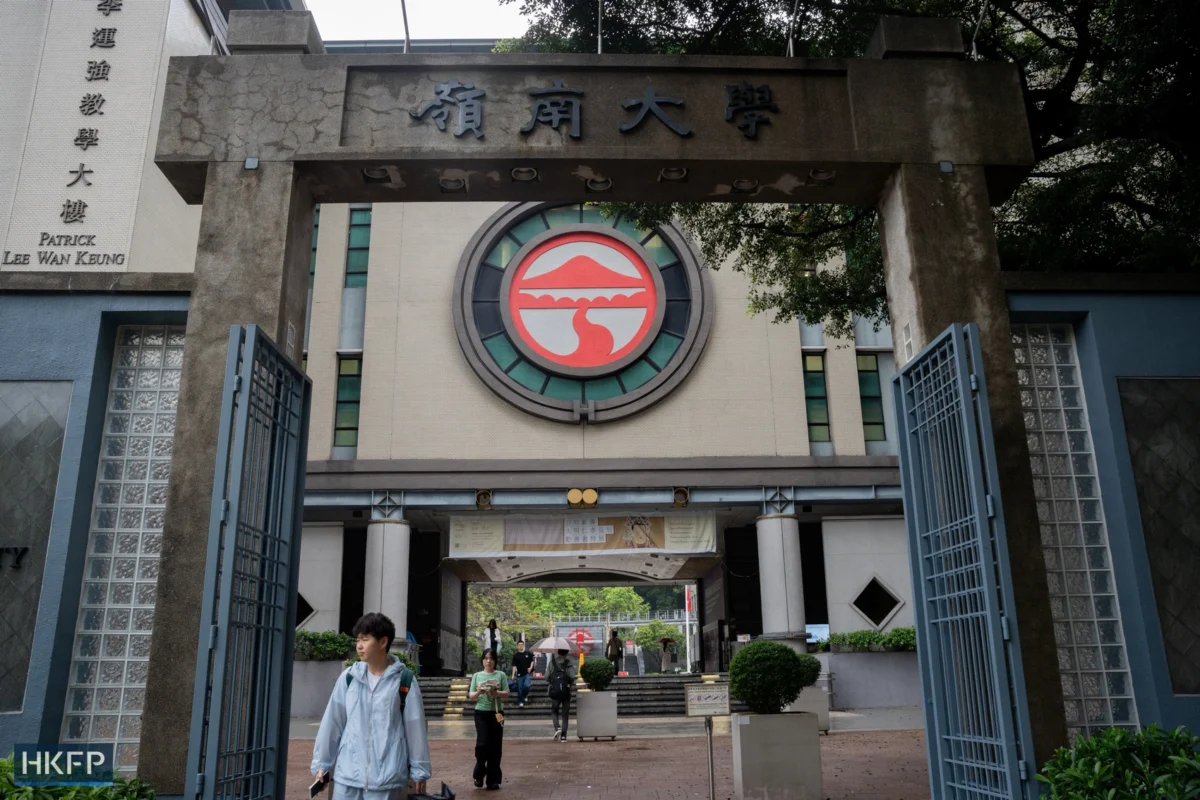
The Lingnan University Students’ Union (LUSU) has announced its dissolution, citing "changes in circumstances inside and outside school" as it becomes the latest student organization in Hong Kong to cease operations. This decision marks a significant moment, continuing a trend of student groups folding in the city, raising questions about the future of student activism and university autonomy.
Established in 1967, the LUSU has historically played a pivotal role in advocating for student welfare and raising awareness on broader societal issues and the development of Hong Kong. Its disbandment, confirmed via a social media announcement on Thursday, was reportedly passed at a meeting earlier this week. The union expressed gratitude to its supporters and encouraged students to remain engaged with campus affairs.

The departure of LUSU leaves only two student unions remaining at Hong Kong’s publicly funded universities: those at the City University of Hong Kong and the Hong Kong University of Science and Technology. This significantly diminishes the landscape of organized student representation within the city’s higher education sector.
A Historical Context of Student Activism in Hong Kong
Student unions in Hong Kong have long been at the forefront of the city’s socio-political landscape, playing a crucial role in various pro-democracy movements. They were instrumental in mobilising support during significant events such as the 2014 Umbrella Movement and the widespread protests of 2019. These organizations often served as platforms for political discourse, student advocacy, and civic engagement, reflecting a vibrant and active student body deeply invested in the city’s future.
However, the enactment of the Beijing-imposed national security law in June 2020 has profoundly altered the political and social environment in Hong Kong. The law, which targets acts of secession, subversion, terrorism, and collusion with foreign forces, has led to a significant crackdown on dissent and civil society organizations. In its wake, many student groups, including those at universities, have faced increased scrutiny, pressure, and in some cases, have been compelled to disband or cease their public activities.

Lingnan University’s Stance and Previous Tensions
Lingnan University itself had previously distanced itself from the LUSU. In July 2025, the university issued a public statement clarifying that it held no affiliation with the LUSU, describing it as an "externally registered society" not endorsed by or associated with the institution. The university further stated that the LUSU’s "statements and acts were inconsistent with the core values of the university and caused damage to its reputation."
This official declaration came after a period of mounting pressure on student unions across Hong Kong. Prior to the university’s statement, four newly elected cabinet members of the LUSU had reportedly expressed their commitment to continuing their "democratic exercise" despite perceived pressure from the university management. This indicates a potential divergence in views and priorities between the student union and the institution’s administration, a tension that has become more pronounced in the current political climate.
In response to the LUSU’s disbandment, a spokesperson for Lingnan University reiterated its commitment to providing a "quality learning environment and diverse campus life." The university also re-emphasized its lack of affiliation with the LUSU, stating, "The University hopes that as a result of this clarification, the public will not mistakenly conclude that any acts and statements of ‘Students’ Union’ are endorsed by the University, or that the acts and statements of ‘Students’ Union’ represent the viewpoints and positions of the University." This statement underscores the university’s desire to manage its public image and avoid any perceived association with potentially controversial activities or statements from student bodies.

Broader Implications and the Shifting Landscape of Student Engagement
The disbandment of the Lingnan University Students’ Union is not an isolated incident but rather a symptom of a larger trend affecting student organizations in Hong Kong. The shrinking number of active student unions raises concerns about the diminishment of student voices in university governance and public discourse. These unions have historically served as vital platforms for students to voice their concerns, organize events, and engage in critical discussions about both campus life and broader societal issues.
The "changes in circumstances inside and outside school" cited by the LUSU are widely understood to encompass the evolving political landscape in Hong Kong following the implementation of the national security law. This environment has created a climate of caution and has made it increasingly challenging for student organizations to operate freely and openly, particularly if their activities are perceived as politically sensitive.
The trend of student unions disbanding has implications for the development of critical thinking and civic engagement among university students. While universities are increasingly focused on providing a "quality learning environment," the space for robust student-led political discourse and advocacy appears to be narrowing. The LUSU’s own statement, while brief, highlights the complex factors at play, suggesting a careful deliberation before reaching the "difficult decision to disband."

The continued operation of student unions at City University of Hong Kong and Hong Kong University of Science and Technology will be closely watched. Their ability to navigate the current environment while continuing to represent student interests will be crucial in determining the future trajectory of student activism in the city.
The Long Road Ahead for Student Representation
The historical role of student unions in Hong Kong as key stakeholders in democratic movements and as platforms for intellectual and social engagement cannot be understated. Their decline in number signifies a potential shift in the dynamics of university autonomy and student participation in public life. As universities continue to assert their official positions and affiliations, the challenge for remaining student groups, and for the student population at large, will be to find new avenues for expression and advocacy within the prevailing socio-political context.
The LUSU’s dissolution serves as a stark reminder of the challenges faced by civil society organizations in Hong Kong. While the specific reasons for each disbandment may vary, the overarching trend points towards a significantly altered landscape where the space for independent student representation and activism has become increasingly constrained. The future of student unions in Hong Kong will undoubtedly depend on a complex interplay of institutional policies, the broader political climate, and the resilience of student leaders in adapting to these evolving circumstances.


 Ammar Sabilarrohman
 Nana Wu