Neng Nana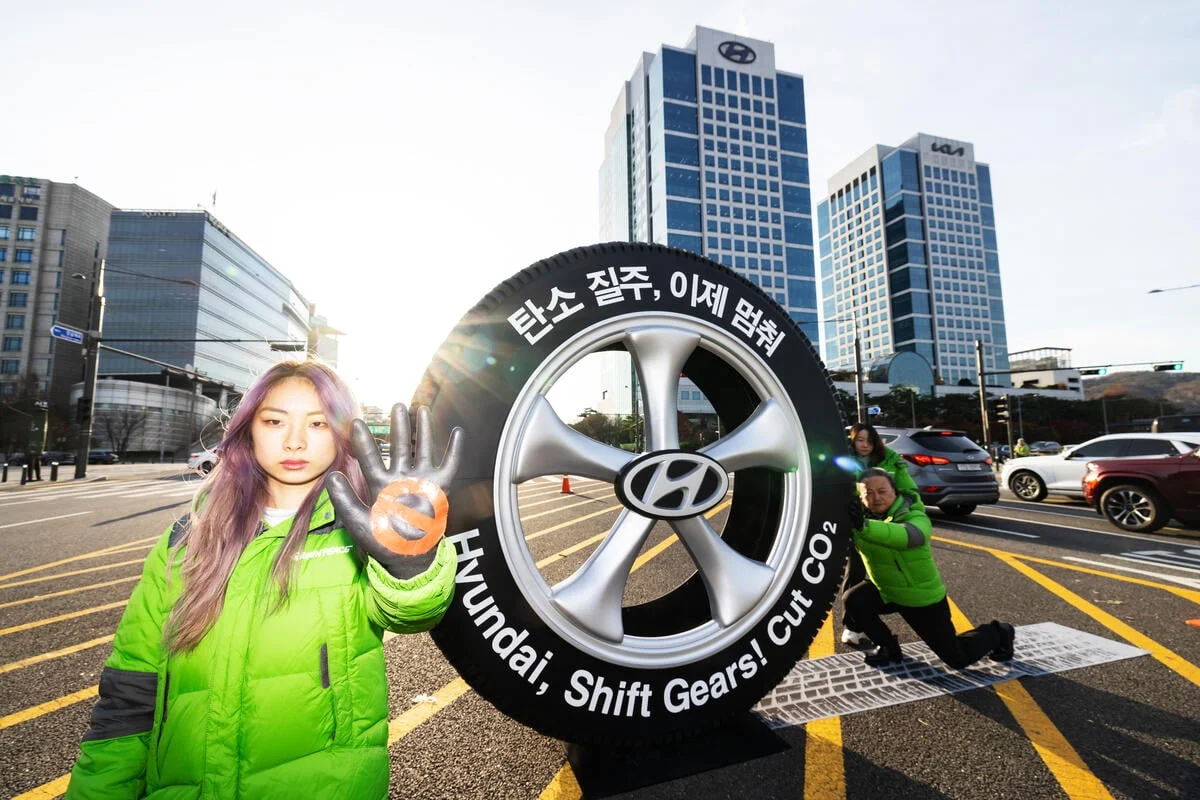
A coalition of global non-governmental organizations (NGOs) has issued a pointed call to action for Euisun Chung, Executive Chair of Hyundai Motor Group, urging the automotive giant to align its ambitious climate commitments with tangible business practices. The letter, representing a united voice of concerned citizens worldwide, highlights a significant discrepancy between Hyundai’s public image of sustainable mobility and its actual environmental and human rights record, particularly in light of its long-standing partnership with FIFA and its prominent sponsorship of the upcoming 2026 FIFA World Cup.
A Sponsorship Worth Hundreds of Millions, Under Scrutiny
Hyundai Motor Group’s relationship with FIFA spans over two decades, solidifying its position as a key corporate partner. The reported US$300 million valuation for its sponsorship of the 2026 FIFA World Cup underscores the magnitude of this association. This investment positions Hyundai as one of the most visible corporate faces of the global football tournament. The company has actively leveraged this platform to project an image of "clean, green mobility" and a vision centered on "progress for humanity," frequently showcasing its electric vehicle (EV) offerings and articulating aspirations for a sustainable future. However, critics argue that this carefully curated image is increasingly at odds with the company’s operational realities.
The Carbon Footprint: A Stark Contrast
While Hyundai Motor Group champions its EV initiatives, comprehensive data reveals a significantly different picture regarding its overall carbon emissions and the proportion of its sales dedicated to electric vehicles. Combined emissions from Hyundai and Kia, the group’s flagship brands, are estimated to be around 250 million tonnes of CO2-equivalent annually, a figure comparable to the annual emissions of an entire nation like Spain. This substantial output starkly contrasts with the group’s stated environmental goals.
Furthermore, the current sales figures for electric vehicles within Hyundai’s portfolio remain a concern. Electric vehicles currently account for only about 7% of the 6.8 million vehicles the group sells annually. This means that the overwhelming majority of vehicles produced and sold by Hyundai and Kia still rely on fossil fuels, a reality that significantly undermines their claims of leading the transition to sustainable transportation. This disparity between marketing and market reality forms a core of the NGOs’ critique.
Supply Chain Abuses: The Human and Environmental Cost
Beyond the direct emissions from vehicle production and use, the NGOs have raised grave concerns about severe human rights, labor, and environmental abuses embedded within Hyundai’s extensive global supply chain. Reports from organizations such as the Fair Steel Coalition, Mighty Earth, and Jobs to Move America have meticulously documented instances of child labor, forced labor in prison facilities, unsafe working conditions for employees, and widespread environmental degradation linked to Hyundai’s operations and those of its suppliers. These findings suggest that the company’s pursuit of "progress for humanity" is, in practice, often built upon the exploitation of vulnerable populations and the degradation of ecosystems.
The NGOs emphasize that Hyundai’s vision for progress must be fundamentally reoriented to address and prevent these devastating impacts. They argue that true progress entails ensuring that workers and communities directly benefit from the company’s investments, rather than bearing the brunt of its negative externalities.
Allegations of "Sportswashing" and Inadequate Responses
Recent media coverage, detailing protests organized by the coalition in Guadalajara, Mexico, highlighted public opposition to Hyundai’s association with the FIFA World Cup. While Hyundai issued a response to these actions, the NGOs contend that the company’s statement was generic and failed to directly address the specific allegations of human rights and environmental abuses. Instead, Hyundai reportedly relied on generalized references to existing internal processes, which the NGOs deem insufficient to demonstrate robust human rights and environmental due diligence.
This perceived evasion of accountability fuels accusations of "sportswashing"—the practice of using sporting events to improve a tarnished public image. The NGOs are resolute in their stance that corporations should not be allowed to leverage the global stage of the FIFA World Cup to present an image that is not supported by their actual practices.
The 2026 FIFA World Cup: A Carbon-Intensive Spectacle
The upcoming FIFA World Cup is projected to be one of the most carbon-intensive tournaments in the history of professional football. This grim outlook is exacerbated by the participation of numerous corporate sponsors, many of whom are identified as major polluters. Adding to the environmental concerns, climate experts have warned that a significant portion of World Cup matches could be played under dangerously hot conditions due to the escalating impacts of global warming. This raises serious questions about the health and safety of athletes and fans alike, and further intensifies the NGOs’ scrutiny of Hyundai’s role.
A Call for Concrete Action and Transparency
The NGOs have outlined three clear demands for Hyundai Motor Group, urging them to move beyond rhetoric and implement concrete changes:
-
Accelerated Transition to 100% Electric Vehicle Sales by 2030: Hyundai is called upon to publicly commit to a defined, time-bound phase-out plan for internal combustion engine vehicles across all global markets. This commitment should be accompanied by an accelerated transition to achieving 100% electric vehicle sales by the year 2030. This ambitious target would signal a genuine commitment to decarbonizing its core business operations.
-
Comprehensive Supply Chain Cleanup: The second demand focuses on rectifying the documented abuses within Hyundai’s supply chain. This includes a commitment to uphold stringent human rights and environmental standards at every stage, from the sourcing of critical minerals to the reduction of manufacturing emissions, particularly those stemming from carbon-intensive materials like steel. Crucially, this demand also emphasizes ensuring that these improvements translate into tangible benefits for workers and affected communities.
-
Genuine Climate Leadership, Not Greenwashing: The NGOs insist that Hyundai’s partnership with the FIFA World Cup must reflect authentic climate leadership rather than mere "greenwashing." This necessitates the establishment of transparent, independently verified emissions targets and a demonstrable commitment to measurable progress in achieving them. Such transparency would allow for independent scrutiny and build public trust in Hyundai’s environmental claims.
Market Share and a Crucial Opportunity
Hyundai and Kia have recently achieved a notable milestone, capturing a record combined market share of 11.3% in the United States in 2025. The 2026 FIFA World Cup presents a significant opportunity for Hyundai to further solidify its position and win over consumers in this crucial market. The NGOs implore the company to seize this opportunity not by relying on superficial advertising of a "clean and humane image," but by actively earning that reputation through verifiable commitments to truly clean vehicles and an ethically sound supply chain.
The organizations issuing the letter include Actions Speak Louder, Eko, Fair Steel Coalition, Good Neighbors Louisiana, Greenpeace East Asia, Mighty Earth, Networks for Green Transport, Plan1.5, Public Citizen, Sierra Club, and Solutions for Our Climate. Their collective plea is for Hyundai Motor Group to demonstrate that its vision of "progress for humanity" is not just a slogan, but a guiding principle that informs its every action, from the showroom to the deepest reaches of its global supply chain.
The world is watching, and the NGOs are awaiting a response that moves beyond corporate platitudes and embraces concrete, verifiable action. The success of Hyundai’s FIFA partnership, and indeed its future as a responsible global corporate citizen, may hinge on its ability to reconcile its stated ambitions with the undeniable realities of its operations and supply chain.

 Asro
Asro
 Sagoh
Sagoh