 Asep Darmawan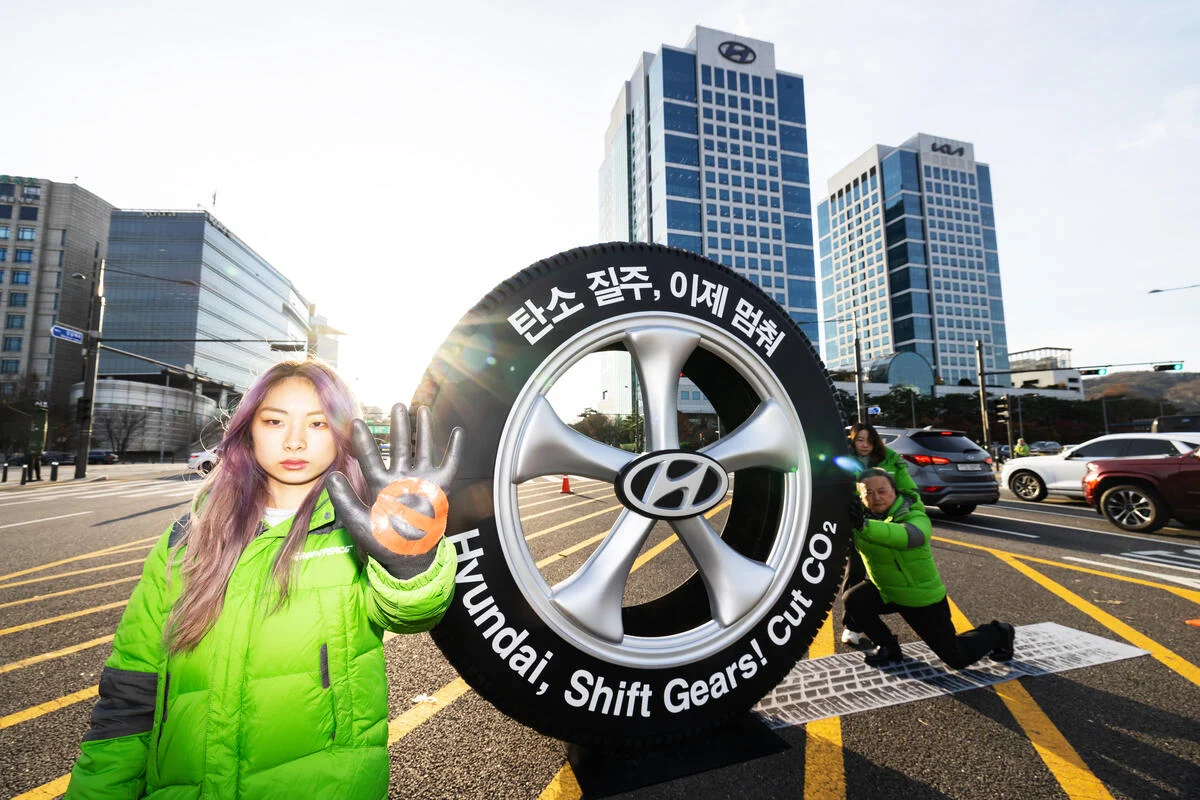
A coalition of global non-governmental organizations (NGOs) has issued a strong call to Euisun Chung, Executive Chair of Hyundai Motor Group, demanding that the automotive giant align its ambitious climate commitments with tangible actions. The appeal, delivered directly to Chung, highlights a stark contrast between Hyundai’s public image of "progress for humanity" and its ongoing business practices, particularly in light of its extensive, multi-decade partnership with FIFA and its prominent sponsorship of the upcoming 2026 FIFA World Cup.
The NGOs, representing a broad spectrum of environmental, human rights, and labor advocacy groups, argue that Hyundai’s sponsorship of the 2026 FIFA World Cup, reportedly valued at approximately $300 million, positions the company as a principal corporate face of the tournament. While Hyundai has actively promoted its electric vehicle (EV) technologies and articulated a vision for a sustainable future, the coalition contends that these efforts are overshadowed by the environmental impact of its vast vehicle sales and the concerning reports emerging from its global supply chain.
Emissions Data Paints a Contrasting Picture
The letter directly challenges Hyundai’s sustainability narrative by presenting significant data points. According to the NGOs, Hyundai and Kia’s combined annual emissions are comparable to those of Spain, reaching approximately 250 million tonnes of CO2-equivalent each year. Furthermore, a stark statistic reveals that out of the 6.8 million vehicles Hyundai sells annually, only a mere 7% are electric vehicles. This suggests that the overwhelming majority of vehicles produced and sold by the company continue to rely on fossil fuels, directly contradicting the image of clean, green mobility that Hyundai strives to project.
This discrepancy between stated intentions and realized impact is a central theme of the NGOs’ appeal. They emphasize that while millions are invested in high-profile sponsorships and the showcasing of EVs, the company’s core business model remains heavily dependent on internal combustion engine (ICE) vehicles.
Supply Chain Abuses Under Scrutiny
Beyond its direct emissions, the NGOs raise grave concerns about Hyundai’s supply chain. Reports from reputable organizations such as the Fair Steel Coalition, Mighty Earth, and Jobs to Move America have detailed severe human rights, labor, and environmental abuses linked to Hyundai’s operations. These allegations include the documented use of child and prison labor, unsafe working conditions for employees, and significant environmental degradation across various regions where Hyundai sources materials and manufactures components.
The coalition asserts that Hyundai’s vision for "progress for humanity" must be fundamentally rooted in addressing and rectifying these detrimental impacts within its supply chain. They argue that genuine progress cannot be achieved if it comes at the cost of exploitation and environmental destruction, and that workers and communities affected by Hyundai’s operations must be direct beneficiaries of its investments, not victims.
The 2026 FIFA World Cup: A Platform for Scrutiny
The upcoming 2026 FIFA World Cup, scheduled to be co-hosted by the United States, Canada, and Mexico, presents a critical juncture for both FIFA and its sponsors. The tournament is anticipated to be one of the most carbon-intensive in football history, further amplified by the involvement of corporations with significant environmental footprints. Climate experts have already voiced concerns about the potential for matches to be played in dangerously hot conditions due to global warming, raising questions about the health and safety of athletes and fans alike.
The NGOs view Hyundai’s prominent role in this event as an opportunity for the company to demonstrate genuine climate leadership or, conversely, to engage in "greenwashing" – a practice of making misleading claims about environmental benefits. They are adamant that such global platforms should not be used by corporations to project an undeserved image of sustainability.
Demands for Concrete Action
In their letter to Euisun Chung, the NGOs have outlined three specific, actionable demands for Hyundai Motor Group:
- Accelerated Transition to Electric Vehicles: A public commitment to a clear, time-bound plan for phasing out internal combustion engine vehicles across all global markets, with an accelerated target of achieving 100% electric vehicle sales by 2030. This demand directly addresses the significant gap between Hyundai’s EV promotion and its current sales figures.
- Supply Chain Overhaul: A comprehensive commitment to cleaning up Hyundai’s supply chain by upholding stringent human rights and environmental standards at every stage. This includes critical mineral sourcing, manufacturing emissions, and addressing the environmental impact of carbon-intensive materials such as steel, while ensuring that benefits are extended to workers and affected communities.
- Genuine Climate Leadership in World Cup Partnership: An assurance that Hyundai’s World Cup partnership reflects authentic climate leadership rather than greenwashing. This requires transparent, independently verified emissions targets and demonstrable progress towards meeting them.
Context of Hyundai’s Market Position
The timing of this appeal is particularly significant given Hyundai and Kia’s recent market performance. In 2025, the two brands achieved a record combined market share of 11.3% in the United States. The 2026 FIFA World Cup represents a prime opportunity for Hyundai to further solidify its presence and win over consumers in this crucial market. The NGOs are urging Hyundai to leverage this opportunity not by merely advertising a clean and humane image, but by actively earning it through concrete actions and commitments.
Background and Timeline of the Appeal
The NGOs’ concerns are not new. Over the past several years, various advocacy groups have documented and reported on environmental and human rights issues within the automotive industry’s supply chains. The partnership between Hyundai and FIFA dates back over two decades, making the company a long-standing fixture in global football events. However, the increasing urgency of the climate crisis and growing awareness of supply chain ethics have amplified the scrutiny on corporate responsibility.
Recent media coverage, including actions led by this coalition in Guadalajara, has already prompted a response from Hyundai. However, the NGOs claim that the company’s replies have been generic, failing to adequately address the specific allegations raised and relying on references to existing, reportedly insufficient, due diligence processes. This suggests a pattern of perceived inaction or inadequate response from the automotive giant.
The current appeal represents a coordinated effort by a diverse group of organizations to exert public pressure on Hyundai to translate its corporate rhetoric into meaningful change. The inclusion of the Korean-language version of the letter underscores the global nature of this initiative and the desire to engage directly with Hyundai’s leadership in its home market.
Implications and Broader Impact
The implications of this appeal extend beyond Hyundai and FIFA. It highlights a growing trend of civil society holding large corporations accountable for their environmental and social impacts, especially during high-profile global events. The success or failure of such campaigns can set precedents for corporate behavior across various industries.
For Hyundai, the challenge is to balance its drive for market expansion and brand visibility with the imperative to operate sustainably and ethically. The company’s response to these demands will be closely watched by consumers, investors, and regulators alike. Failure to demonstrate genuine commitment to change could lead to reputational damage and a loss of trust among increasingly environmentally and socially conscious consumers.
The NGOs involved in this initiative, including Actions Speak Louder, Eko, Fair Steel Coalition, Good Neighbors Louisiana, Greenpeace East Asia, Mighty Earth, Networks for Green Transport, Plan1.5, Public Citizen, Sierra Club, and Solutions for Our Climate, have signaled their intent to continue advocating for corporate accountability. Their call for transparency and verifiable action underscores the evolving landscape of corporate social responsibility, where stated commitments must be rigorously tested against actual performance.
The world will be watching to see if Hyundai Motor Group chooses to be a genuine driver of progress or remains an emblem of missed opportunities in the critical transition towards a sustainable and just future.

 Asro
Asro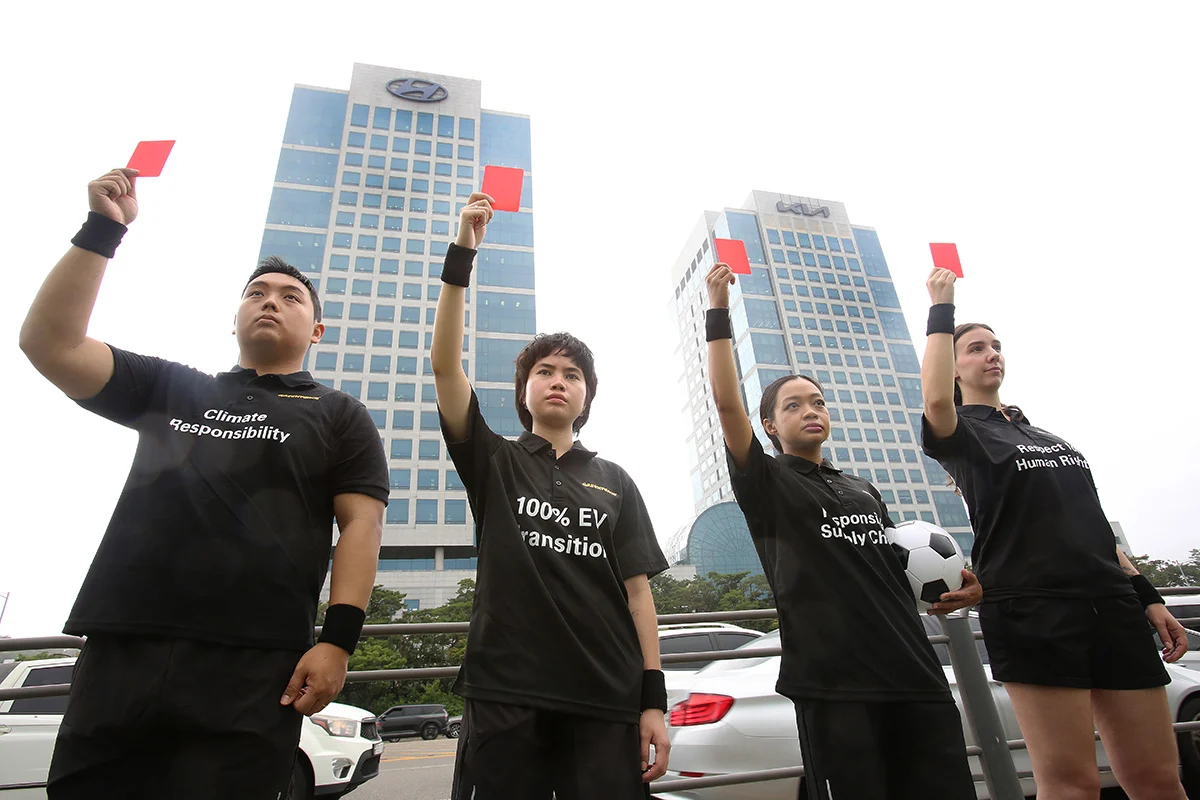
 Iffa Jayyana