Jia Lissa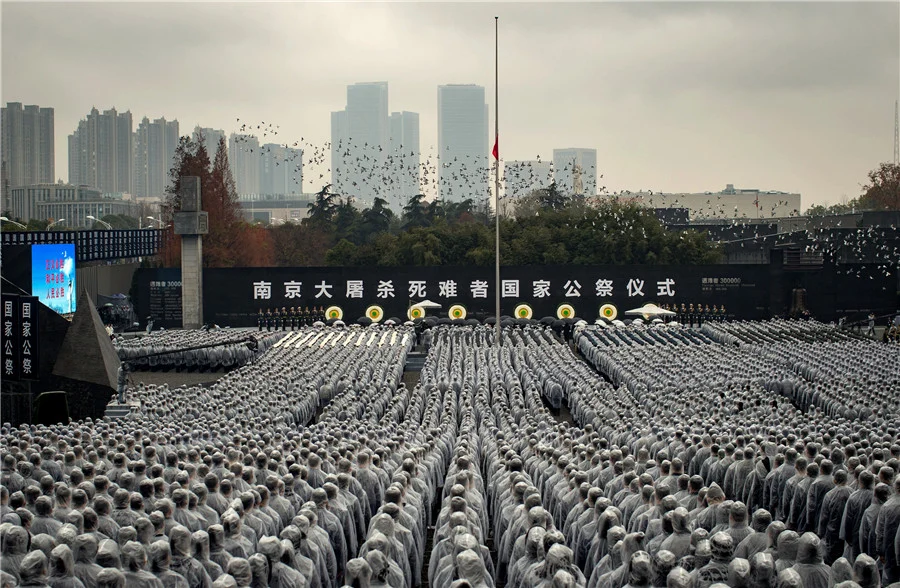
December 13th marks a solemn occasion in China: the National Memorial Day for Nanjing Massacre Victims. This day is dedicated to commemorating the horrific atrocities committed by Japanese troops following the fall of Nanjing during World War II, a brutal chapter in history that claimed the lives of an estimated 300,000 Chinese civilians and disarmed soldiers. The establishment of such memorial days by nations that endured the ravages of war serves a crucial purpose: to honor the fallen, to acknowledge profound sacrifice, and, most importantly, to serve as a stark and enduring reminder of the devastating human cost of conflict and the imperative to prevent such tragedies from ever occurring again. As the world grapples with contemporary geopolitical tensions and the ever-present threat of violence, understanding and remembering historical atrocities like the Nanjing Massacre becomes not merely an act of remembrance, but a vital component of fostering peace and international understanding. This article delves into the significance of the Nanjing Massacre, its historical context, the ongoing efforts to preserve its memory, and the broader implications of such commemorations in the 21st century.
The Nanjing Massacre: A Descent into Unspeakable Horror
The Nanjing Massacre, also known as the Rape of Nanjing, was a period of mass murder, rape, and destruction committed by Japanese Imperial Army soldiers against the residents of Nanjing, the then-capital of China. The atrocities began on December 13, 1937, shortly after the Japanese forces captured the city. For six weeks, Nanjing became a scene of unparalleled brutality. The invading soldiers engaged in systematic killings, looting, arson, and widespread sexual violence against an estimated 20,000 to 80,000 women and girls.
The scale of the massacre was staggering. Estimates of the death toll vary, but the most widely accepted figure, and the one commemorated on December 13th, is around 300,000. This figure encompasses civilians and unarmed combatants who were summarily executed or died as a result of the violence and inhumane conditions. The killings were often carried out in the most brutal fashion, with bayonet charges, beheadings, and mass burials. The city itself was subjected to widespread destruction, with many buildings and cultural landmarks reduced to rubble.
The historical context of the Nanjing Massacre is rooted in the Second Sino-Japanese War, which began in 1937. Japan’s ambition was to expand its territorial control and influence in East Asia, leading to a full-scale invasion of China. The capture of Nanjing, a strategically and symbolically important city, was a major objective for the Japanese military. However, the subsequent behavior of the troops in Nanjing transcended the norms of warfare, revealing a chilling disregard for human life and international law.
A Chronology of Tragedy and Remembrance
The events of the Nanjing Massacre unfolded over a specific and horrific period, and the subsequent efforts to commemorate it have also followed a chronological path:
July 7, 1937: The Marco Polo Bridge Incident marks the beginning of the full-scale Second Sino-Japanese War.
December 13, 1937: Japanese forces capture Nanjing, initiating the six-week period of the massacre. During this time, an estimated 300,000 Chinese civilians and unarmed soldiers are killed, and widespread rape and looting occur.
1946: The International Military Tribunal for the Far East (Tokyo War Crimes Tribunal) convenes. While some Japanese military leaders are tried for war crimes, the scope of the Nanjing Massacre is not fully investigated or prosecuted to the satisfaction of many.
Post-WWII: Survivors of the massacre begin to share their testimonies, gradually bringing the atrocities to wider attention. However, for many years, the event remains a sensitive and often suppressed topic, particularly within Japan.
1980s: As historical research and survivor testimonies gain more traction, the Nanjing Massacre begins to receive more significant international attention. Academic studies and documentaries shed light on the scale of the atrocities.
December 13, 1994: The Memorial Hall of the Victims in Nanjing Massacre opens, providing a dedicated space for remembrance, education, and historical documentation. This marked a significant step in formalizing the commemoration.
2014: The Standing Committee of the National People’s Congress of China designates December 13th as the National Memorial Day for Victims of the Nanjing Massacre. This official recognition elevated the commemoration to a national level, underscoring its profound significance for the Chinese people.
Ongoing: Efforts continue globally to document testimonies, preserve historical sites, and educate future generations about the Nanjing Massacre, often amidst differing historical interpretations and ongoing diplomatic sensitivities.
Preserving the Memory: Memorials, Testimonies, and Education
The primary mechanism for keeping the memory of the Nanjing Massacre alive is through the Memorial Hall of the Victims in Nanjing Massacre. This institution serves as a vital center for historical research, exhibition, and education. Its exhibits include harrowing photographs, artifacts, survivor testimonies, and detailed accounts of the events. The Hall aims to provide a comprehensive and accurate historical record, ensuring that the sacrifices of the victims are not forgotten.
Survivor testimonies are an invaluable part of the remembrance process. The voices of those who lived through the horror offer a deeply personal and impactful perspective. Many survivors have dedicated their later years to sharing their stories, often through interviews, books, and public appearances. These firsthand accounts serve as powerful indictments of war crimes and human rights abuses. As of recent years, the number of surviving witnesses has dwindled, making the preservation and dissemination of their stories even more critical. For instance, while there were thousands of survivors willing to testify in the past, by the late 2010s and early 2020s, this number had significantly reduced to mere dozens, highlighting the urgency of documenting their experiences.
Educational initiatives play a crucial role in instilling the lessons of the past in younger generations. Schools and universities in China incorporate the Nanjing Massacre into their history curricula. International academic conferences and public lectures are also organized to foster a deeper understanding of the event and its implications. The goal is not to incite hatred but to foster a profound understanding of the consequences of unchecked aggression and the importance of peace.
Global Commemorations: A Spectrum of Remembrance
The practice of establishing memorial days to remember wartime tragedies is not unique to China. Many nations that experienced the devastation of war have dedicated days and institutions to honor their losses and learn from history. These commemorations often reflect the specific historical narratives and political contexts of each country.
- Germany: Germany observes Volkstrauertag (National Day of Mourning) on the second Sunday before the first Sunday of Advent. This day commemorates all victims of war and tyranny, reflecting on the nation’s own complicity in the atrocities of World War II and its commitment to peace and reconciliation.
- United Kingdom: The UK observes Remembrance Day on November 11th, marking the armistice that ended World War I. It is a day to remember all those who have died in war, with a particular focus on the sacrifices made by servicemen and women. The Poppy Appeal, symbolized by the red poppy, is a prominent feature of this commemoration.
- United States: The US observes Memorial Day on the last Monday of May, honoring all those who have died in military service. It is a day of solemn remembrance, often marked by visits to cemeteries and ceremonies.
- Japan: While Japan does not have a single, national memorial day specifically for the Nanjing Massacre, the country observes August 15th as the anniversary of its surrender in World War II, marking the end of hostilities. However, official remembrance in Japan is complex, with varying degrees of acknowledgment and reflection on wartime actions across different segments of society and political leadership.
The nature and focus of these commemorations can differ significantly. Some are broadly focused on all war victims, while others are more specific. The approach to historical interpretation and national responsibility also varies, reflecting the diverse historical experiences and political landscapes of these nations.
Official Responses and International Perspectives
The establishment of the National Memorial Day for Nanjing Massacre Victims by China has been met with varied reactions internationally. Within China, it is viewed as a crucial act of national remembrance and a firm stance against historical revisionism. The Chinese government consistently uses this day to call for peace and to emphasize the importance of learning from history to prevent future conflicts.
In Japan, the reaction has been more nuanced and, at times, contentious. While many in Japan acknowledge the historical facts of the Nanjing Massacre, there have been instances of denial or downplaying of the event by certain individuals and political figures. This has often led to diplomatic friction between China and Japan, as Beijing views such statements as an attempt to whitewash history and disrespect the victims. For instance, statements made by prominent Japanese politicians that question the scale of the massacre or its nature have frequently drawn sharp criticism from China and other neighboring countries.
International observers and historians generally recognize the Nanjing Massacre as a well-documented historical event. Numerous academic studies, journalistic accounts, and survivor testimonies corroborate the scale of the atrocities. The International Military Tribunal for the Far East and the subsequent Tokyo War Crimes Tribunal, though imperfect, also addressed aspects of Japanese wartime conduct, including events in Nanjing.
Broader Impact and Implications
The commemoration of the Nanjing Massacre and similar historical events carries significant implications for international relations, peacebuilding, and the prevention of future atrocities.
Historical Truth and Reconciliation: Acknowledging and remembering historical atrocities is a fundamental step towards reconciliation, both domestically and internationally. For China, it is about honoring the suffering of its people and asserting historical truth. For Japan, it presents an ongoing challenge of confronting its wartime past and fostering genuine reconciliation with its neighbors.
Deterrence Against Future Atrocities: Memorial days serve as a potent reminder of the human cost of war and the consequences of unchecked aggression. By remembering the horrors of the past, societies are better equipped to recognize the warning signs of escalating conflict and to advocate for peaceful resolutions. The memory of the Nanjing Massacre stands as a stark testament to the dangers of dehumanization and the systematic violation of human rights.
International Law and Human Rights: The Nanjing Massacre underscores the importance of international humanitarian law and human rights conventions. The systematic nature of the killings, rapes, and destruction highlights the need for robust international mechanisms to hold perpetrators accountable and to protect civilian populations during times of conflict.
Geopolitical Dynamics: The differing interpretations and remembrance practices surrounding the Nanjing Massacre continue to influence Sino-Japanese relations and broader East Asian geopolitics. Sensitive historical issues can be exploited for political purposes, making open dialogue and a commitment to factual historical understanding crucial for regional stability.
In conclusion, December 13th, the National Memorial Day for Nanjing Massacre Victims, is more than just a day of remembrance; it is a call to action. It is a solemn reminder that the pursuit of peace requires an unwavering commitment to truth, a deep understanding of history, and a collective resolve to ensure that the atrocities of the past are never repeated. As we commemorate the 300,000 lives lost in Nanjing, we reaffirm our dedication to a world where such unimaginable suffering is relegated to the annals of history, serving only as a lesson for future generations.


 Nana Wu
 Suro Senen