Evan Lee Salim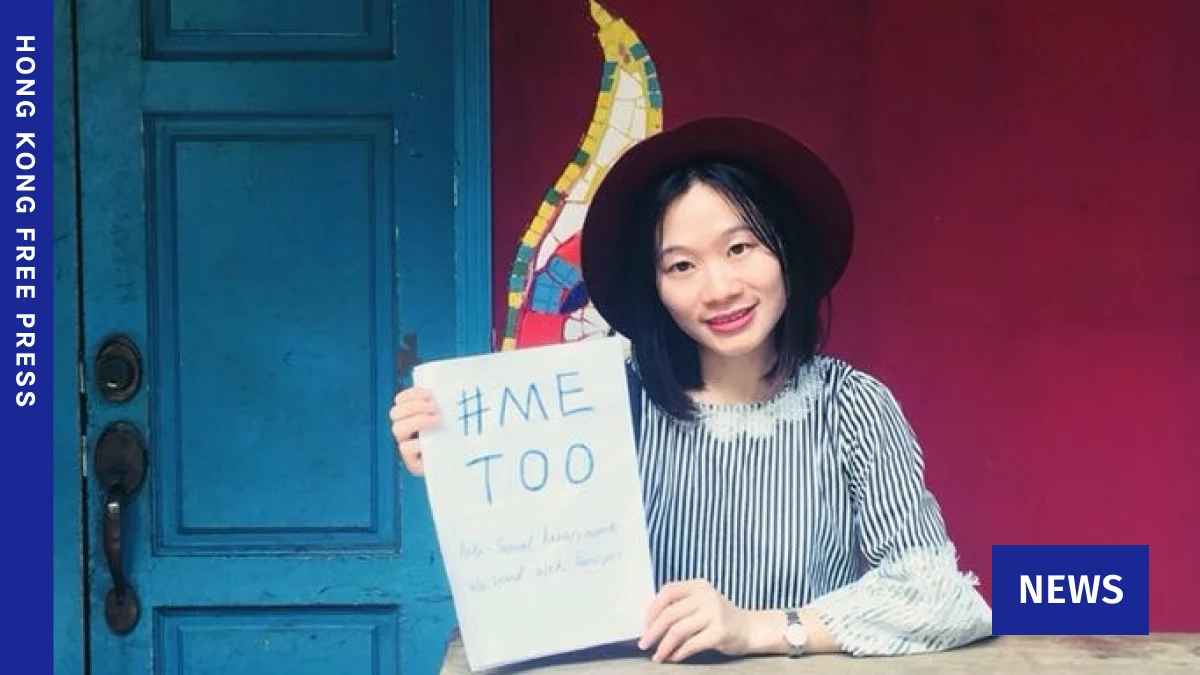
Rio, a close friend and associate of jailed Chinese #MeToo activist Sophia Huang Xueqin, has voiced profound concerns about her imminent release from prison. Huang is scheduled to walk free this Friday after serving a five-year sentence, a period that has been marked by significant hardship, including solitary confinement and considerable weight loss. While relief washes over supporters, a cloud of apprehension lingers regarding her future under the watchful eye of Chinese authorities.

Huang, a former journalist, was detained in 2021 alongside labor activist Wang Jianbing. The charges against them stemmed from their co-organization of weekly group discussions that delved into social issues and shared personal struggles. A Chinese court, in 2024, found the pair guilty of "inciting participants’ dissatisfaction with Chinese state power under the pretext of discussing social issues," leading to Huang’s five-year sentence. Rio, who spoke to AFP from the United States under his English pseudonym, recalled these gatherings as a vital sanctuary, a space where individuals could openly discuss sensitive topics without fear of reprisal.
"We can foresee that her right to express herself freely online in the future will likely be heavily monitored," Rio stated, his voice tinged with worry. He emphasized the critical nature of free expression for a journalist. "Sophia is a journalist, and as a journalist, if you don’t have freedom of expression… you’ve stripped away their primary tool."
A Symbol of Resilience Amidst Repression
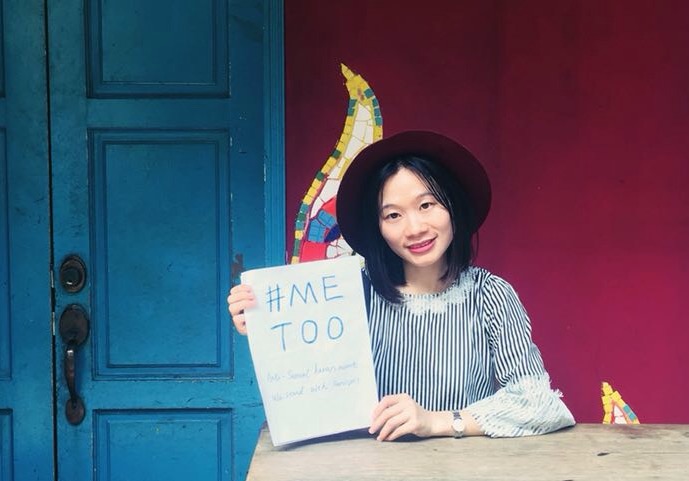
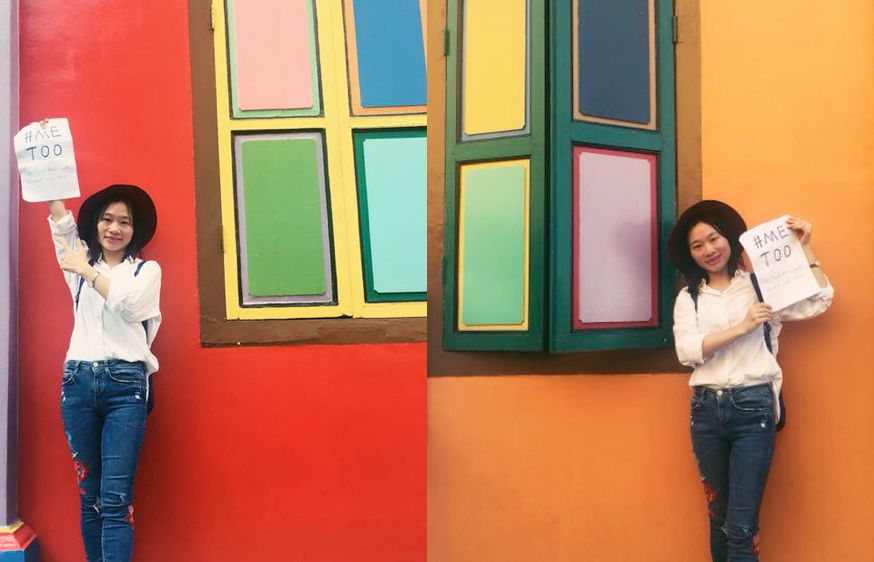
Sophia Huang Xueqin rose to prominence as a vocal advocate for women’s rights in China, particularly in the wake of the global #MeToo movement. She courageously shared her own experiences of workplace sexual harassment at a Chinese news agency on social media. However, her activism placed her squarely in the crosshairs of a government that has systematically suppressed feminist movements and tightened its grip on civil society and free speech since President Xi Jinping assumed power in 2012.
The court’s justification for Huang’s conviction – that she published "inflammatory articles and statements that distort facts and attack the Chinese government" – stands in stark contrast to the intimate and supportive environment Rio remembers. He described their meetings, often held in Wang Jianbing’s modest living room, as a "safe, comfortable space when you could open up." These discussions, which sometimes attracted up to 30 participants, covered a broad spectrum of issues, including the challenges faced by gay migrant workers and broader activism strategies.

The Toll of Detention
The physical and psychological toll of Huang’s detention has been significant, according to her supporters. Citing accounts from former inmates who encountered the activist, they revealed that Huang endured solitary confinement, lost over five kilograms (approximately 11 pounds), and experienced a four-month cessation of her menstrual cycle due to the harsh conditions. This underscores the severity of the treatment faced by individuals deemed critical of the state.
Lingering Concerns About Post-Release Restrictions
Despite Huang’s impending release, a coalition of over 50 human rights organizations, including Amnesty International, have expressed grave concerns about her future. In an open letter, they warned that Huang would continue to face "restrictions" long after leaving prison. A key element of her sentence includes the deprivation of her political rights for four years post-release. This "supplemental sentence" is a common tactic employed against human rights defenders and journalists, effectively silencing their ability to speak, publish, and organize.
"The Xueqin we know… is someone with incredible energy, someone we’d call a fighter," Rio said, reflecting on Huang’s spirit. However, he also acknowledged the immense pressure she has faced. "I think what we really hope for is that she takes care of her own physical and mental well-being first." He expressed a desire for Huang not to bear the sole burden of continuing the movement, emphasizing that friends are "tremendously" relieved her five-year ordeal is nearing its end. "After five years, it’s finally over for her. She can finally step out and catch her breath."
The Broader Context: China’s Crackdown on Dissent
Huang’s case is emblematic of a wider trend in China: the systematic suppression of independent voices and activism. Since 2012, the Chinese government has intensified its efforts to control information and stifle any form of dissent. This crackdown has particularly impacted women’s rights advocates, LGBTQ+ activists, and labor organizers, all of whom have found their spaces for advocacy increasingly constricted.

The detention and sentencing of Huang and Wang Jianbing highlight the state’s intolerance for organized discussions that could be perceived as challenging its authority. The official narrative of "inciting dissatisfaction" serves as a broad justification for silencing individuals who engage in critical social commentary.
A Planned Future Interrupted
Adding a poignant layer to Huang’s story is the fact that her arrest occurred just as she was preparing to travel to the United Kingdom for studies. Rio revealed that Huang had recently received a new passport from the authorities, which she viewed as a "positive signal" and a sign of potential progress. The suddenness of her detention left her friends in "shock."

The situation of Sophia Huang Xueqin serves as a stark reminder of the precarious environment for activists and journalists in China. While her release is a cause for celebration, the extended period of restricted political rights and the likelihood of continued surveillance cast a long shadow over her ability to resume her life and work freely. The international community and human rights organizations will undoubtedly continue to monitor her situation closely, advocating for her full freedom and the protection of fundamental human rights in China.
Timeline of Key Events:
- Post-2012: President Xi Jinping consolidates power, leading to a broader crackdown on civil society and free speech in China.
- Global #MeToo Movement: Sophia Huang Xueqin begins sharing her experiences of workplace sexual harassment on social media.
- ~2017: Rio begins attending weekly group discussions organized by Huang and Wang Jianbing.
- September 2021: Sophia Huang Xueqin and labor activist Wang Jianbing are detained by Chinese authorities.
- 2024: A Chinese court sentences Huang to five years in prison for "inciting dissatisfaction with Chinese state power."
- [Date of Imminent Release, e.g., Friday]: Sophia Huang Xueqin is scheduled for release from prison.
- Post-Release: Huang will be subject to a four-year deprivation of political rights, alongside potential ongoing surveillance.
The story of Sophia Huang Xueqin is not just about one individual’s struggle; it is a microcosm of the challenges faced by those who dare to speak truth to power in an increasingly authoritarian environment. Her resilience and the continued advocacy of her friends and international organizations underscore the enduring fight for freedom of expression and human rights in China.

 Nana
Nana
 Azzam Bilal Chamdy