Layla Zulfa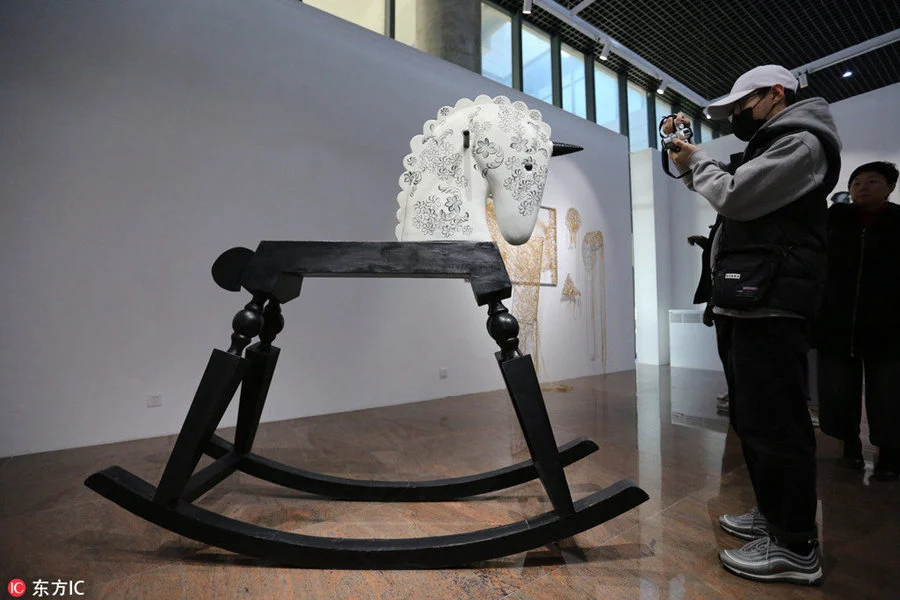
A vibrant showcase of the nation’s burgeoning artistic talent has opened its doors at the art museum of Luxun Academy of Fine Arts in Dalian, Northeast China’s Liaoning province. The exhibition, which commenced on December 3, 2017, features over 300 diverse and innovative artworks, meticulously crafted by students from nine of China’s most prestigious art universities. This significant cultural event aims to spotlight the creative ingenuity and technical prowess of China’s younger generation of artists, offering a compelling glimpse into the future of artistic expression within the country. The exhibition will remain accessible to the public, free of charge, until December 24, 2017, providing ample opportunity for art enthusiasts and the general public to engage with this remarkable collection.
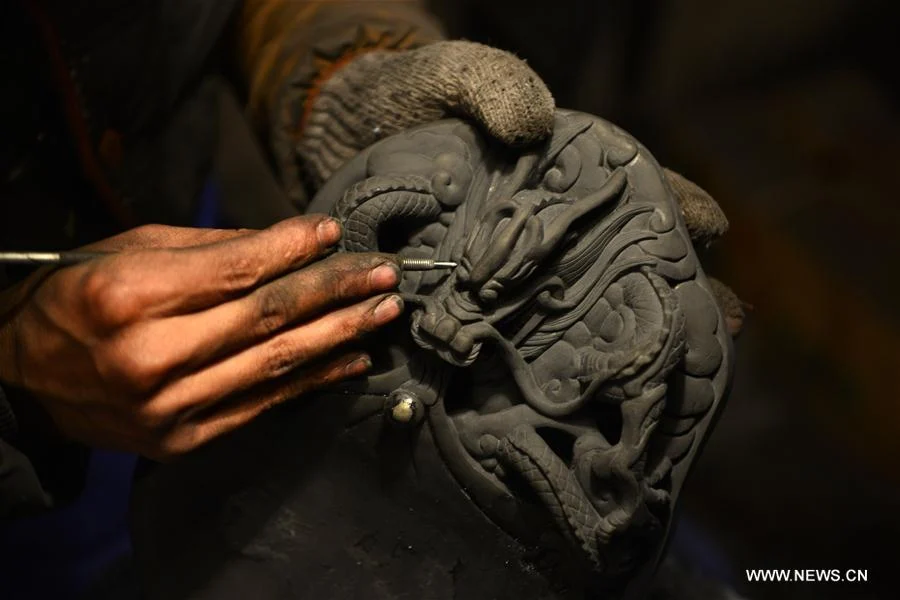
The breadth of artistic disciplines represented is a testament to the comprehensive art education offered at these leading institutions. Visitors are treated to an eclectic array of works, encompassing traditional Chinese paintings and calligraphies, which often explore timeless themes and refined techniques passed down through generations. Alongside these classic forms, the exhibition prominently displays contemporary sculptures that challenge conventional perceptions of material and form, pushing the boundaries of three-dimensional art. The delicate artistry of porcelain works, a craft deeply rooted in Chinese heritage, is also on view, demonstrating intricate craftsmanship and aesthetic sensibilities. Furthermore, the exhibition includes cutting-edge industry designs, reflecting the integration of artistic principles with functional application and technological innovation, highlighting the evolving role of art in modern society.
Background and Context: Fostering National Artistic Dialogue
This exhibition is not merely a display of individual student achievements; it represents a concerted effort to foster a national dialogue within the Chinese art education sector. By bringing together students from prominent art academies, the event creates a platform for peer learning, cross-pollination of ideas, and the establishment of broader artistic networks. The Luxun Academy of Fine Arts, named after the renowned Chinese writer and intellectual Lu Xun, has a long-standing tradition of nurturing artistic talent and critically engaging with societal issues through art. Its choice to host such a comprehensive student exhibition underscores its commitment to supporting and elevating emerging artists.
The selection of nine key art universities is significant, likely representing institutions that are at the forefront of art education in China, known for their rigorous curricula, influential faculty, and successful alumni. These institutions often play a crucial role in shaping national artistic trends and contributing to China’s cultural landscape both domestically and internationally. The inclusion of diverse artistic mediums ensures a holistic representation of contemporary Chinese art education, moving beyond a singular focus to embrace a wide spectrum of creative expression.
Chronology of the Exhibition
The planning and execution of such a large-scale exhibition typically involves a substantial timeline. While specific dates for the organizational phases are not provided, the official opening on December 3, 2017, marks the culmination of months, if not years, of preparation. This would have included:
- Conceptualization and Theme Development: Defining the overarching goals and artistic direction of the exhibition.
- University Selection and Invitation: Identifying and inviting the participating art institutions.
- Artwork Submission and Curation: A period for students to submit their work, followed by a rigorous selection process by faculty and curators. This stage is critical for ensuring the quality and thematic coherence of the exhibition.
- Logistics and Transportation: Coordinating the safe transport of hundreds of artworks from various locations to Dalian.
- Exhibition Design and Installation: Planning the layout of the museum space, designing display structures, and meticulously installing each piece to optimize its viewing experience.
- Public Relations and Marketing: Announcing the exhibition, engaging with media, and promoting public awareness.
The exhibition’s duration, from December 3 to December 24, offers a concentrated period for public engagement, allowing for a sustained period of viewing and discussion around the displayed works.
Supporting Data and Artistic Trends
While specific data on the number of submissions or acceptance rates is not available, the sheer volume of over 300 artworks suggests a highly competitive selection process. The diversity of mediums—from traditional painting and calligraphy to modern sculpture and industrial design—provides a rich dataset for observing current trends in art education.
- Traditional Arts: The continued emphasis on Chinese painting and calligraphy indicates a strong foundation in classical techniques and a desire among students to engage with and reinterpret cultural heritage. This can be seen as a response to a global trend of renewed interest in traditional crafts and aesthetics.
- Sculpture and Three-Dimensional Art: The inclusion of sculptures suggests an exploration of materiality, form, and spatial relationships. Students are likely experimenting with a wide range of materials, from clay and bronze to found objects and digital fabrication, reflecting advancements in artistic practice.
- Porcelain: China’s historical dominance in porcelain production makes its continued prominence in student work unsurprising. This facet of the exhibition likely showcases both traditional firing techniques and contemporary approaches to ceramic art, perhaps incorporating modern glazes, forms, and decorative elements.
- Industry Designs: The inclusion of industry designs is particularly noteworthy. It highlights a growing recognition within art academies of the intersection between art, design, and commerce. Students in this category are likely presenting innovative solutions to design challenges, demonstrating an understanding of user needs, market trends, and sustainable practices. This area reflects China’s ambition to become a global leader in innovation and design.
The sheer scale of the exhibition, involving nine major art schools, implies a nationwide scope in terms of artistic influence and educational standards. Each participating institution likely brings its unique pedagogical approach and regional artistic influences, creating a mosaic of creative expression that is both nationally representative and locally distinct.
Inferred Statements and Reactions
While direct quotes from organizers or participants are absent from the provided text, one can infer a sense of pride and anticipation from the institutions involved. The curators and faculty of these art schools would undoubtedly feel a sense of accomplishment in having their students’ work recognized and showcased on such a prominent platform. They would likely express a hope that the exhibition serves to:
- Inspire Future Generations: By showcasing the achievements of their current students, they aim to motivate younger aspiring artists.
- Elevate the Status of Art Education: Demonstrating the high caliber of work produced can help to reinforce the value and importance of art education in national development.
- Facilitate Industry Connections: The inclusion of industry designs might also serve to connect talented students with potential employers and collaborators in the design and manufacturing sectors.
For visitors, the experience is likely to be one of discovery and admiration. A visitor capturing photographs, as mentioned in the original text, suggests an engagement with the art that goes beyond passive observation, indicating a desire to document and share the creative output. Many would likely be impressed by the technical skill, conceptual depth, and sheer diversity of the artworks.
Broader Impact and Implications
The exhibition at Luxun Academy of Fine Arts holds several significant implications for the Chinese art scene and beyond.
- National Artistic Identity: Such events contribute to the ongoing discourse about China’s national artistic identity in the 21st century. By presenting a wide range of works, it allows for reflection on how traditional influences are being integrated with global contemporary art practices.
- Talent Pipeline: This exhibition serves as a crucial talent pipeline, identifying promising young artists and designers who will shape the future of China’s creative industries. It provides visibility and potential career opportunities for these emerging talents.
- Cultural Diplomacy: Showcasing the creativity of its youth can also serve as a form of cultural diplomacy, presenting a positive and dynamic image of China’s cultural landscape to the world. While this exhibition is primarily domestic, similar initiatives often serve as precursors to international showcases.
- Economic Contribution: The creative industries are increasingly recognized as significant contributors to economic growth. By nurturing and promoting young artists and designers, China is investing in its future creative economy, which can drive innovation in fields ranging from advertising and entertainment to product development and urban planning.
- Educational Benchmarking: The exhibition implicitly allows for a form of benchmarking within art education. By comparing the output from different institutions, educators and policymakers can gain insights into best practices and areas for improvement in art curricula across the nation.
The fact that the exhibition is free to the public is a critical element, democratizing access to high-quality art and fostering a greater appreciation for artistic endeavors among a wider audience. This accessibility is vital for cultivating a culturally literate society and ensuring that artistic endeavors are not confined to elite circles. The success of this exhibition could pave the way for more frequent and larger-scale collaborations between art institutions, further enriching China’s vibrant cultural ecosystem.

 Asep Darmawan
 Rifan Muazin