 Raul Delapena Setiawan
The tobacco industry in Taiwan has formally called upon the government to adopt a more scientific, predictable, and coordinated approach to tobacco regulation, emphasizing that current draft measures regarding additives and tax adjustments could inadvertently fuel the illegal market. In a series of comprehensive recommendations aimed at the Ministry of Health and Welfare (MOHW) and the Ministry of Finance (MOF), industry stakeholders highlighted the need for regulatory clarity that balances public health objectives with market stability and enforcement feasibility. These suggestions come at a critical juncture as Taiwan continues to update its regulatory landscape following major amendments to the Tobacco Hazards Prevention Act (THPA) in recent years.
Scientific Evidence and Practicality in Additive Regulation
A primary concern raised by the industry involves the Health Promotion Administration’s (HPA) ongoing development of a draft list of prohibited tobacco product additives. While the industry maintains its support for the HPA’s overarching public health goals, it argues that the current draft lacks the necessary scientific nuance to distinguish between additives designed to attract new users and substances essential for manufacturing or naturally present in the tobacco leaf.
According to the industry’s position, some additives currently on the proposed prohibited list occur naturally in tobacco leaves or are utilized in minute quantities to ensure product consistency and quality during the manufacturing process. At these minimal levels, these substances do not impart a characterising flavor or increase the attractiveness of the product. The industry warns that a blanket prohibition without clear scientific justification could undermine the credibility of the regulatory framework and create unnecessary hurdles for lawful manufacturers.
To address these concerns, the industry recommends the establishment of a transparent scientific review and risk assessment mechanism. This mechanism would ideally define specific scientific criteria, standardized testing methods, and clear enforcement principles to determine which additives should be restricted. Furthermore, industry representatives have requested that the HPA provide a reasonable transition period and clear implementation guidelines before any new regulations take effect. Such guidance would include inspection priorities and compliance pathways, reducing the regulatory uncertainty that currently hampers long-term business planning.
A significant oversight in the current draft, according to stakeholders, is the failure to explicitly exclude tobacco products manufactured solely for export. Taiwan has long served as a manufacturing hub for regional markets. If the regulations were to apply to export-only products, it could unintentionally cripple a legitimate manufacturing sector that has no impact on Taiwan’s domestic public health outcomes. The industry urges the government to clarify that these restrictions apply only to products intended for the domestic market.
The Fiscal Challenge: Tobacco Health and Welfare Surcharge Adjustments
As 2025 progresses, public and governmental discussions have intensified regarding potential adjustments to the tobacco health and welfare surcharge. This surcharge is a critical component of Taiwan’s fiscal policy, contributing significantly to the National Health Insurance (NHI) fund and various public health initiatives. However, the industry cautions that any adjustments to taxes and surcharges must be handled with extreme care to avoid "tax shocks" that distort the market.
The core of the industry’s argument is that abrupt or excessive tax increases often lead to unintended consequences, most notably the expansion of the illicit tobacco trade. When the price gap between legal, taxed products and illegal, untaxed products widens too rapidly, consumer demand frequently shifts toward the black market. This shift not only undermines public health goals—as illicit products bypass all quality controls—but also destabilizes the tax base, potentially leading to lower-than-expected revenue for the government.
The industry advocates for a "reasonable, gradual, and predictable" approach to tax adjustments. By conducting comprehensive impact assessments before introducing changes, the government can better evaluate the risk of illicit trade and ensure that enforcement agencies have the capacity to handle potential market shifts. This evidence-based approach is viewed as essential for maintaining market order and ensuring the long-term sustainability of the tobacco health and welfare surcharge as a reliable source of public funding.
Strengthening the Fight Against Illicit Tobacco
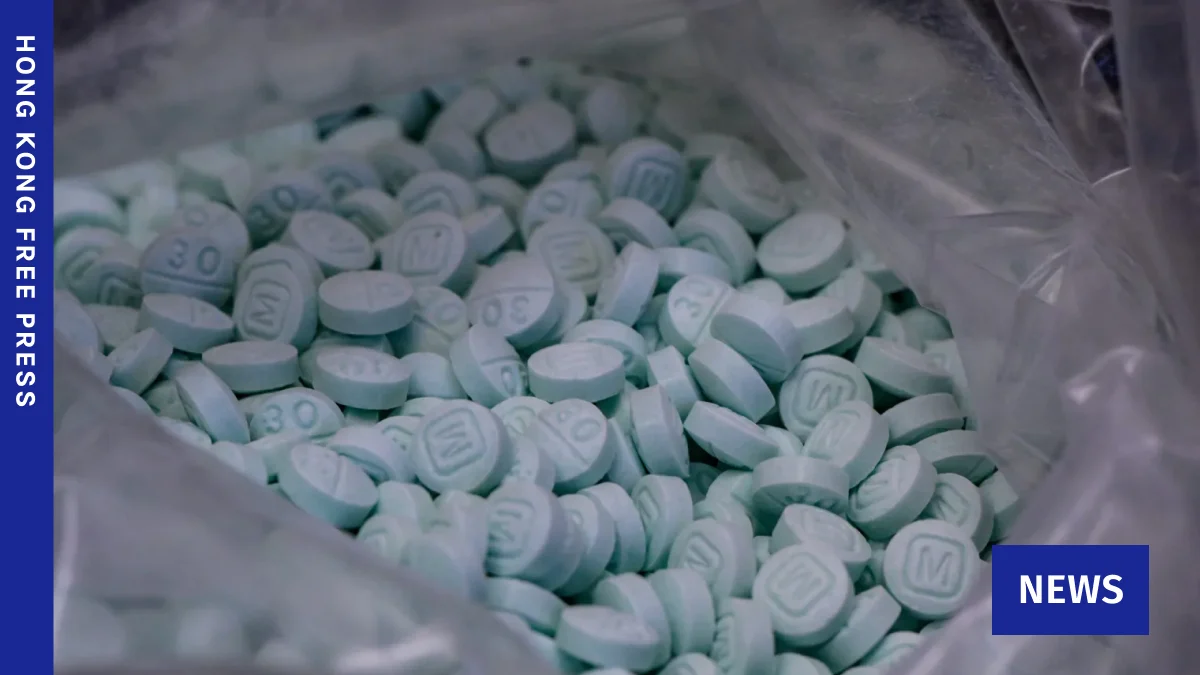
The scale of the illicit tobacco problem in Taiwan remains a significant concern for both the government and the private sector. Data from the National Treasury Administration (NTA) of the Ministry of Finance reveals that authorities seized approximately 13.82 million packs of illicit tobacco products in 2025. This represents a staggering increase of 2.61 million packs compared to 2024. Industry analysts suggest that these figures may only represent the "tip of the iceberg," as many illicit transactions occur through sophisticated, underground networks that are difficult to quantify.
The rise of New Tobacco Products (NTPs), specifically heated tobacco products (HTPs), has added a new layer of complexity to enforcement. Since the 2023 amendments to the Tobacco Hazards Prevention Act, which established a regulatory pathway for HTPs while banning e-cigarettes, frontline enforcement officers have faced challenges in distinguishing between authorized products undergoing the Health Risk Assessment (HRA) process and illegal, smuggled alternatives.
The industry emphasizes that effective tobacco control is impossible without robust enforcement. Illicit products not only evade taxes but also lack the mandatory health warnings and ingredient disclosures required by law. To combat this, the industry recommends the creation of a cross-ministerial coordination mechanism. This would integrate intelligence sharing and enforcement strategies among the MOF, MOHW, police authorities, customs, and local governments.
Furthermore, there is a pressing need for specialized training programs for enforcement personnel. Because HTPs involve complex devices and consumables, frontline officers require technical knowledge to identify lawful versus unlawful products. The industry suggests that case-based training and the use of digital tools for product traceability could significantly enhance the effectiveness of inspections.
Chronology of Regulatory Evolution in Taiwan
To understand the current friction between industry recommendations and government drafts, it is necessary to look at the timeline of Taiwan’s tobacco policy:
- January 2023: The Legislative Yuan passes major amendments to the Tobacco Hazards Prevention Act. The changes include raising the legal smoking age to 21, banning e-cigarettes (Electronic Nicotine Delivery Systems), and requiring HTPs to pass a Health Risk Assessment before being sold.
- March 2023: The amended THPA officially takes effect. The government begins accepting applications for HRA for heated tobacco products, a process that remains ongoing and highly scrutinized.
- 2024: Enforcement agencies report a rise in smuggling as the market transitions. The industry begins expressing concerns over the lack of a clear timeline for HTP approvals and the emergence of "grey market" products.
- Early 2025: The HPA releases a draft list of prohibited additives, sparking debate over the "characterising flavor" ban and its technical definitions. Simultaneously, discussions regarding the 2025 tobacco surcharge adjustment begin in the context of NHI budget shortfalls.
- Mid-2025: The National Treasury Administration releases seizure statistics showing a nearly 23% year-on-year increase in confiscated illicit cigarettes, prompting calls for more aggressive cross-ministerial action.
Analysis of Implications and Stakeholder Reactions
The industry’s push for "predictability" and "scientific evidence" is a strategic response to what many businesses perceive as an increasingly volatile regulatory environment. From a public health perspective, the MOHW and HPA are under immense pressure from anti-smoking advocacy groups to implement the strictest possible measures to achieve a "Tobacco-Free Taiwan." These groups argue that any delay in additive bans or tax increases allows the tobacco industry to continue "hooking" new generations of users.
However, the Ministry of Finance faces a different set of pressures. The NTA must ensure that tax revenue remains stable and that the lawful market is not overtaken by criminal syndicates. The 2025 seizure data suggests that the "enforcement gap" is widening. If the government implements a strict additive ban and a tax hike simultaneously without a corresponding boost in enforcement, the illicit market could see unprecedented growth.
Independent economic analysts suggest that the industry’s request for a phased implementation approach is grounded in the reality of supply chain logistics. A sudden ban on specific additives could force a total recall of products, leading to significant waste and financial loss for retailers, many of whom are small-business owners.
Conclusion and Future Outlook
The recommendations provided by the tobacco industry underscore a fundamental tension in Taiwan’s regulatory strategy: the balance between aggressive public health intervention and the practicalities of market regulation. The industry’s call for a transparent, science-based mechanism for additive regulation and a gradual approach to tax adjustments reflects a desire for a "no-surprises" policy environment.
As the government moves toward finalizing its list of prohibited additives and deciding on the future of the tobacco health and welfare surcharge, the level of cross-ministerial coordination will be the ultimate determinant of success. Whether the authorities can successfully integrate the industry’s feedback into a framework that protects public health while preventing the expansion of the illegal market remains to be seen. For now, the 13.82 million packs of seized cigarettes stand as a stark reminder that regulation on paper is only as effective as the enforcement on the ground.

 Evan Lee Salim
 Pevita Pearce