Siti Muinah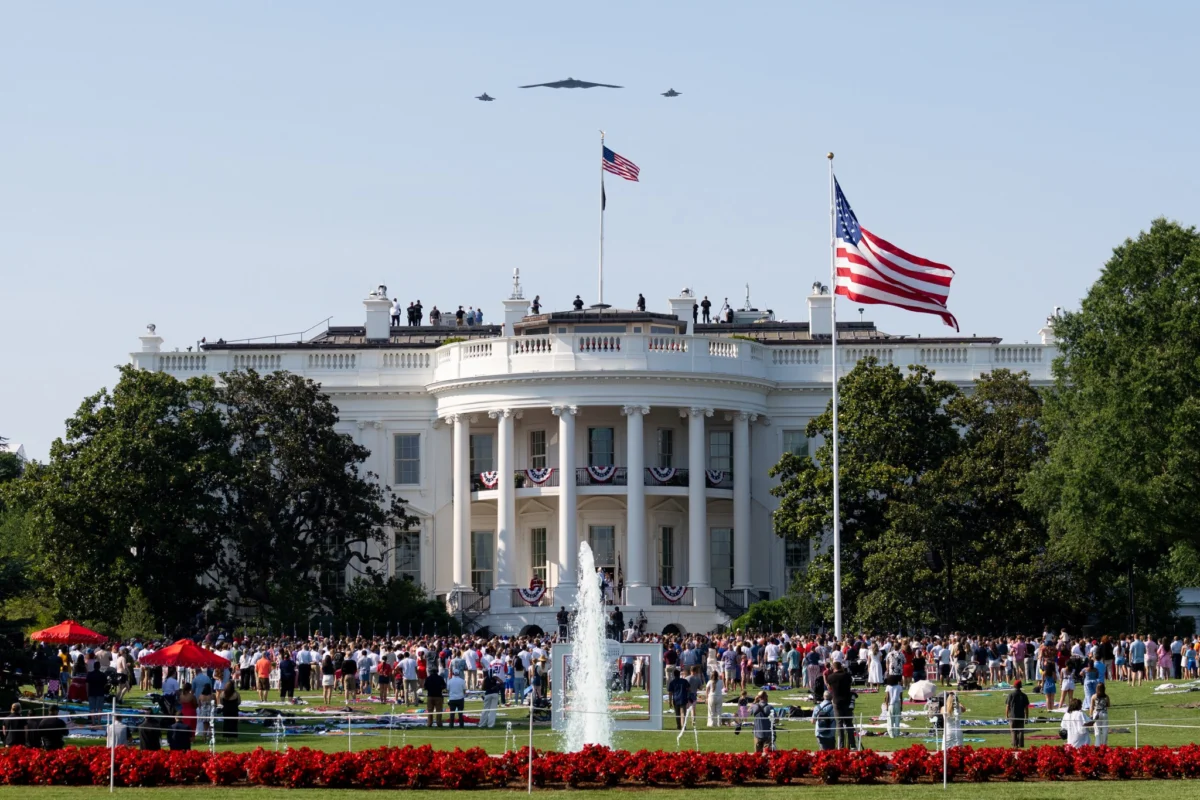
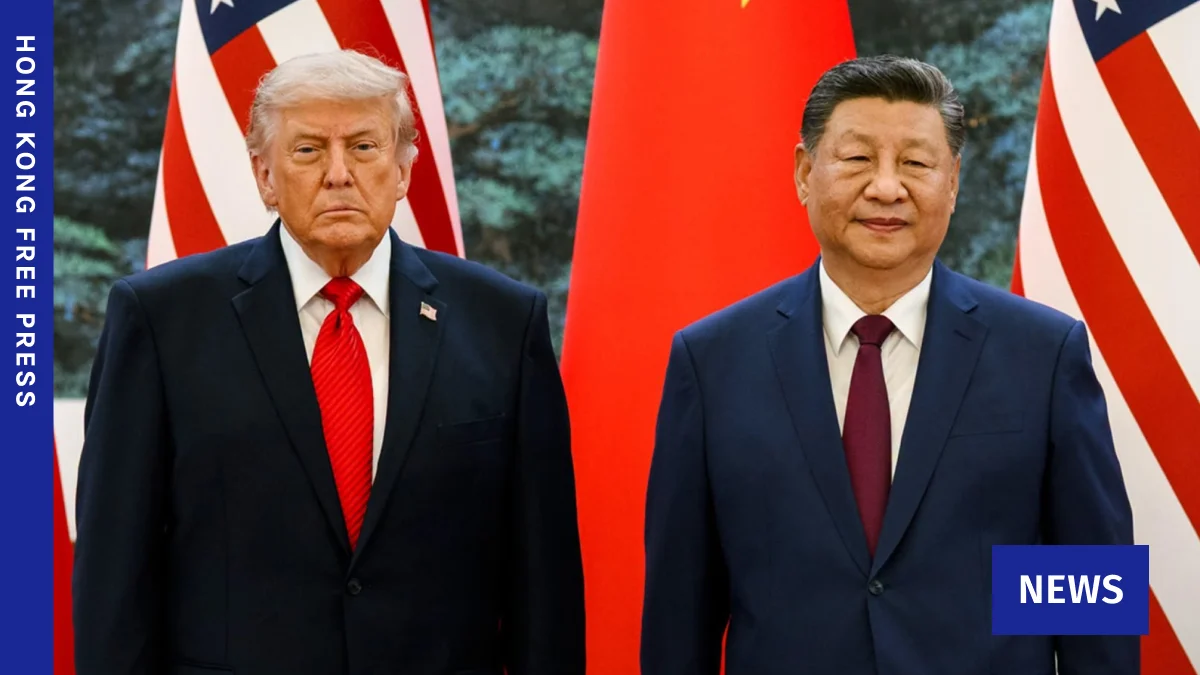
Chinese President Xi Jinping departed Beijing on Wednesday, embarking on a highly anticipated journey to Washington D.C. for a landmark meeting with US President Donald Trump. The summit, confirmed by state media, is poised to address a complex web of bilateral and global challenges, ranging from escalating fears surrounding advanced artificial intelligence systems and persistent trade disputes to geopolitical flashpoints concerning Iran and Taiwan. The two leaders are expected to engage in extensive discussions over two days, a crucial opportunity for the world’s two largest economies to navigate a relationship increasingly defined by both intense competition and indispensable cooperation.
A Crucial Summit Amidst Global Volatility
The state visit underscores the profound significance both nations place on direct, high-level engagement amidst a period of considerable global volatility. The backdrop to this summit is a multifaceted relationship characterized by strategic rivalry, economic interdependence, and ideological differences. Washington and Beijing find themselves at critical junctures, grappling with the rapid evolution of artificial intelligence, which presents both unprecedented opportunities and profound risks, including potential military applications and ethical dilemmas that could reshape global power dynamics. Simultaneously, the lingering effects of a protracted trade dispute continue to cast a shadow over international markets, while regional security issues, particularly in the Middle East and the Indo-Pacific, demand urgent diplomatic attention.

The decision for President Trump to personally greet President Xi upon his arrival at Joint Base Andrews signals a deliberate elevation of diplomatic protocol compared to previous encounters. This gesture contrasts with President Trump’s state visit to Beijing in May, where he was greeted by China’s vice president. Such symbolic acts often carry significant weight in international diplomacy, indicating a mutual desire to project goodwill and the importance of the discussions to follow. The White House, in a statement, characterized the visit as "a significant milestone in the relationship between the two countries," emphasizing the potential for constructive dialogue despite the formidable challenges.
The Itinerary: High-Stakes Diplomacy Unfolds
President Xi Jinping’s delegation, which includes his wife Peng Liyuan, his close confidant Cai Qi, and Foreign Minister Wang Yi, arrived in Washington on Wednesday. The formal agenda for the summit is packed, designed to foster both substantive dialogue and ceremonial recognition.
On Thursday morning, President Xi and Madame Peng will be honored with a grand welcoming ceremony at the White House, featuring a military flyover, a traditional display of diplomatic respect and military prowess. This will be followed by extensive bilateral talks between President Trump and President Xi, expected to delve into the full spectrum of US-China relations. These discussions are anticipated to be wide-ranging, as President Trump himself told reporters he would be "discussing almost everything" with his Chinese counterpart. The day will conclude with a lavish state dinner at the White House, providing a more informal setting for continued engagement and relationship-building among the two nations’ top officials.

The visit will extend into Friday morning, where the two presidential couples will share tea at the White House, an intimate setting for further discussions or reflections on the summit’s outcomes. The trip is scheduled to round out with a visit to the National Archives, a symbolic gesture that could highlight shared historical understanding or cultural exchange, though its specific significance within the high-stakes political agenda remains to be seen.
Deepening Rifts: Key Areas of Contention
While the diplomatic pomp and ceremony aim to project stability, the underlying tensions between Washington and Beijing are undeniable. The agenda for the summit is dense with issues that have, in recent years, strained the bilateral relationship and spurred international concern.
-
Artificial Intelligence: A New Frontier of Competition
One of the most pressing and novel concerns on the agenda is the rapid advancement of artificial intelligence. Both countries are leading developers in AI technology, recognizing its transformative potential across industries, scientific research, and, critically, national security. The "rising fears about increasingly capable artificial intelligence systems" stem from several sources: the potential for autonomous weapons, the ethical implications of AI deployment, the risk of an AI arms race, and the need for global governance frameworks. Experts worry about the lack of established international norms and protocols for AI development and deployment, particularly in military contexts. The US and China possess the largest AI research and development ecosystems, making their bilateral cooperation or competition in this domain a defining factor for global technological governance. Preliminary talks between US Treasury Secretary Scott Bessent and Chinese Vice Premier He Lifeng in Seoul earlier this month touched upon establishing a communication channel for AI concerns, dubbed the "US-China AI dialogue." Bessent stated that the US had "proposed that we have a notification mechanism between the two countries," suggesting a desire to create guardrails against unintended escalation or miscalculation in the rapidly evolving AI landscape. However, these preliminary discussions yielded little in the way of concrete detail, underscoring the complexity of forging consensus on such a sensitive and strategic issue.
-
Trade Tensions: Seeking an Uneasy Détente
The specter of a trade war continues to loom large over the US-China relationship. For years, the two economic giants have been locked in a tit-for-tat tariff battle initiated by the Trump administration, citing unfair trade practices, intellectual property theft, and forced technology transfers. These tariffs, imposed on hundreds of billions of dollars worth of goods, have disrupted global supply chains, raised costs for consumers and businesses, and introduced significant uncertainty into the international economic order. While both sides have expressed a desire to "ease tensions on trade," the path to a comprehensive resolution remains elusive. Key sticking points include China’s industrial subsidies, market access for US companies, and enforcement mechanisms for any potential agreements. The current summit is seen as an opportunity to potentially de-escalate, if not fully resolve, these long-standing economic grievances, which have profound implications for global economic stability and growth. -
Geopolitical Flashpoints: Iran and Taiwan
Beyond economic and technological competition, the leaders confront significant geopolitical disagreements. President Trump’s "Iran war" refers to the US administration’s aggressive stance against Tehran, including the withdrawal from the Joint Comprehensive Plan of Action (JCPOA) and the imposition of crippling sanctions. China, a major importer of Iranian oil and a trading partner, has sought to avoid US sanctions, creating friction. Reports suggesting that Beijing supplied Tehran with intelligence for a strike on US troops, if confirmed, would add a deeply troubling layer to these discussions, potentially complicating China’s ability to navigate the US sanctions regime without further repercussions.Taiwan also remains a perennial flashpoint. China views Taiwan as a renegade province that must be reunified with the mainland, by force if necessary, under its "One China" principle. The US, while acknowledging this principle, maintains unofficial relations with Taiwan and provides it with defensive weaponry, a policy that Beijing consistently condemns as interference in its internal affairs. The "threat of war over the island of Taiwan" is a grave concern, with any perceived shift in the delicate cross-strait balance carrying the potential for catastrophic regional, and even global, conflict. The leaders’ ability to manage these highly sensitive issues without further exacerbating tensions will be a critical measure of the summit’s success.
-
Human Rights and Diplomatic Leverage
Human rights issues, though often less prominently featured in official readouts, consistently punctuate US-China diplomatic exchanges. The cases of prominent individuals often serve as symbolic points of contention. The son of jailed Hong Kong pro-democracy media mogul Jimmy Lai made a direct appeal to President Xi from Washington for his 78-year-old father’s release. Lai, a vocal critic of Beijing, is a high-profile figure whose detention under Hong Kong’s national security law has drawn international condemnation. While President Trump reportedly discussed Lai’s fate with Xi in May, his release was deemed unlikely at the time.
Conversely, the summit may also highlight instances where diplomatic pressure has yielded results. The release of Ezra Jin, the founder of an underground church in China, after President Trump raised his case with President Xi, demonstrates the potential for direct appeals to influence individual outcomes. These cases, while seemingly isolated, reflect broader concerns about civil liberties, religious freedom, and political dissent in China, and how these issues intersect with the broader US-China relationship.
Delegations and Diplomatic Nuances
The composition of President Xi’s delegation offers insights into China’s priorities for the summit. The presence of Peng Liyuan, a renowned soprano and First Lady, underscores the ceremonial and cultural aspects of the state visit. Cai Qi, a member of the Politburo Standing Committee and Director of the General Office of the Central Committee, is a key figure in Xi’s inner circle, signaling the strategic importance of the visit. Foreign Minister Wang Yi’s inclusion is standard for high-level diplomatic engagements, as he plays a central role in articulating China’s foreign policy positions. The US delegation, led by President Trump, would include key cabinet members such as Secretary of State, Secretary of Treasury, and National Security Advisor, each contributing their expertise to the multi-faceted discussions. The dynamics and interactions within these high-level teams will be crucial in shaping the tone and outcome of the talks.
China’s Diplomatic Leverage

In these complex negotiations, China holds significant cards. One notable example is its dominance in the supply of rare earths – a group of 17 chemical elements critical for manufacturing high-tech products, including electric vehicles, wind turbines, smartphones, and advanced military equipment. China controls a vast majority of the world’s rare earth mining and processing, giving Beijing substantial leverage in global supply chains. This was demonstrated last year when Beijing successfully pressured Washington to back down from some of its sky-high tariffs after imposing stringent controls on rare earth exports. This strategic control provides China with a potent economic weapon, allowing it to influence trade negotiations and retaliate against perceived economic aggressions. The potential deployment of this leverage would undoubtedly be a factor in the ongoing trade discussions.
Expert Perspectives and Tempered Expectations
Analysts observing the lead-up to the summit have largely tempered expectations for immediate breakthroughs or grand agreements. The deeply entrenched nature of many US-China disputes suggests that while dialogue is essential, swift resolutions are improbable. Many experts believe that the primary goal of the summit might be to simply manage disagreements, prevent further escalation, and re-establish channels of communication, especially on critical emerging issues like AI.
"This summit is more about de-risking the relationship than delivering a ‘grand bargain’," noted Dr. Evelyn Zhang, a senior fellow at the Asia Society Policy Institute. "Both sides recognize the imperative of stable communication, particularly given the unpredictability of global events and the rise of technologies that could easily be mismanaged without mutual understanding." Dr. John Smith, a professor of international relations at Georgetown University, added, "The personal greeting by President Trump is significant; it suggests a desire to reset the tone, but underlying structural issues in trade, technology, and security will require sustained, difficult diplomacy beyond this single meeting."

The Road Ahead: Implications for Global Order
The outcome of this Washington summit will resonate far beyond the bilateral relationship, influencing global markets, technological trajectories, and geopolitical stability. A successful summit, even if yielding only modest agreements, could inject a much-needed dose of predictability into international affairs. It might establish clearer lines of communication, particularly for crisis management in areas like AI and military encounters, and potentially pave the way for future cooperation on shared global challenges such as climate change and pandemic preparedness.
Conversely, a failure to make progress, or worse, an exacerbation of existing tensions, could deepen the divide between the two powers. Such an outcome might accelerate the fragmentation of global supply chains, intensify the technological decoupling, and heighten the risk of conflict in sensitive regions. The world watches closely as President Xi Jinping and President Donald Trump meet, aware that their discussions hold considerable sway over the trajectory of the 21st century’s most consequential bilateral relationship and, by extension, the stability of the global order. The real work of bridging divides and building trust, however, will extend far beyond the formal dinners and White House ceremonies, demanding sustained diplomatic effort and a willingness from both sides to find common ground in a complex and rapidly changing world.

 Laily UPN
 Nana
Nana