Pevita Pearce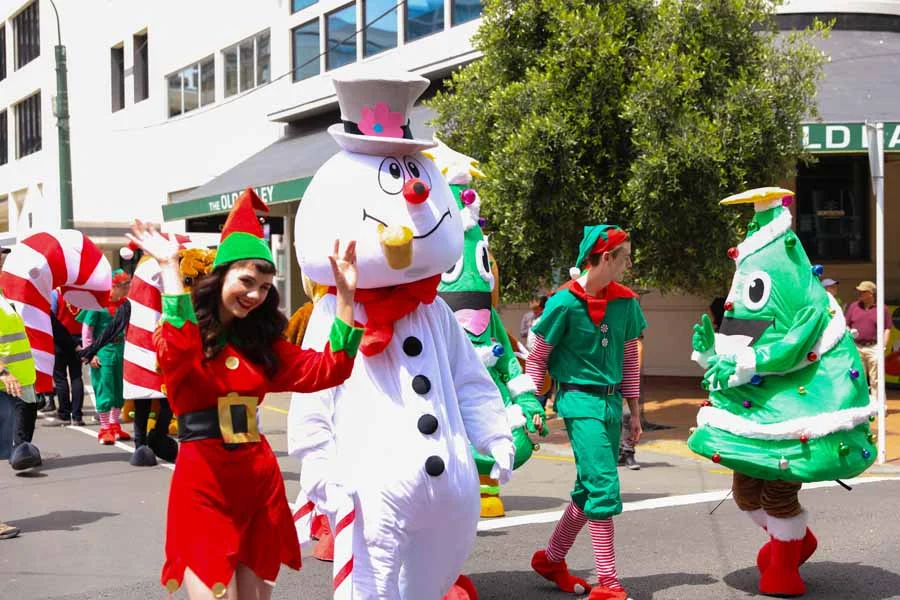
New Zealand’s capital, Wellington, vibrantly launched its festive 2017 Christmas season on November 25-26, with its annual celebratory events culminating in a spectacular grand Santa parade that drew an estimated crowd of over 20,000 enthusiastic spectators lining the bustling Lambton Quay. This year’s festivities marked a significant milestone with the inaugural participation of a delegation from the China Cultural Center in New Zealand, a move orchestrated under the invitation of the Wellington city government. This collaborative effort seamlessly integrated distinct Chinese cultural elements into the traditionally Western-themed celebration, signaling a growing emphasis on international cultural diplomacy and community engagement within the capital.
A Festive Spectacle of Community and Culture
The two-day event, a cornerstone of Wellington’s holiday calendar, is renowned for its vibrant atmosphere and community-focused programming. The highlight, the grand Santa parade, saw nearly 200 performers bring to life a kaleidoscope of festive floats, marching bands, and colorful characters. The sheer scale of the event, with its estimated attendance of over 20,000, underscores its importance as a major public gathering, fostering a sense of shared joy and anticipation for the Christmas period. Families and individuals alike congregated along Lambton Quay, the city’s principal thoroughfare, eager to witness the procession and immerse themselves in the holiday spirit.
The decision to invite the China Cultural Center represented a deliberate effort by the Wellington city government to broaden the cultural tapestry of the event. This initiative aimed to not only enrich the parade with diverse artistic expressions but also to foster greater understanding and connection between New Zealand’s multicultural population and the vibrant heritage of China. The inclusion of Chinese elements was envisioned as a bridge, allowing residents and visitors to experience a different cultural perspective within the familiar framework of a beloved holiday tradition.
The Inaugural Chinese Presence: A Cultural Fusion
The delegation from the China Cultural Center in New Zealand, making their debut in the Wellington Christmas parade, brought with them a carefully curated selection of performances and visual displays designed to resonate with both Chinese traditions and the broader festive theme. While specific details of their contribution are not extensively elaborated in the initial report, it can be inferred that their participation likely involved elements such as traditional Chinese music, dance performances, artistic displays showcasing Chinese craftsmanship, and perhaps even thematic floats reflecting Chinese mythology or cultural symbols adapted for the Christmas season.
The strategic placement of the China Cultural Center within the parade procession suggests a thoughtful integration rather than a standalone presentation. This approach would have allowed the Chinese cultural contributions to flow organically within the broader narrative of the parade, creating a harmonious blend of traditions. The objective was not to supplant the Western Christmas narrative but to augment it, demonstrating how diverse cultural expressions can coexist and enrich a shared public celebration. The presence of Chinese elements served as a visual testament to Wellington’s commitment to diversity and its embrace of global cultural exchanges.
Background and Context: The Wellington Christmas Festival
The Wellington Christmas Festival, an annual fixture, has evolved over the years into a significant cultural and economic event for the city. Typically spanning a weekend, it aims to provide a range of activities for all ages, from family-friendly entertainment to community-oriented gatherings. The Santa parade, in particular, is a long-standing tradition, symbolizing the official commencement of the Christmas season and drawing substantial crowds year after year. Its route through the heart of the city, along Lambton Quay, transforms the urban landscape into a festive promenade, buzzing with energy and excitement.
The strategic decision to invite international cultural groups, such as the China Cultural Center, reflects a broader trend in urban event management. Cities worldwide are increasingly recognizing the value of cultural diversity in enhancing public events, attracting tourism, and fostering social cohesion. For Wellington, this initiative likely aimed to:
- Enhance the Spectacle: Introducing new and visually engaging elements can elevate the parade’s appeal and provide novel experiences for attendees.
- Promote Cultural Understanding: Direct exposure to different cultural practices through performances and displays can break down stereotypes and build bridges between communities.
- Strengthen International Ties: Collaborative events with cultural centers from other nations reinforce diplomatic and cultural relationships.
- Boost Tourism and Economic Activity: Unique cultural offerings can attract visitors from outside the city and even internationally, contributing to the local economy.
The timing of this collaboration, preceding the peak Christmas shopping season, also likely aimed to capitalize on the increased foot traffic and engagement generated by the festive atmosphere.
Chronology of the 2017 Celebrations
While the provided text focuses on the parade itself, the broader celebration likely unfolded over the weekend of November 25-26, 2017. A plausible chronology of events would include:
November 25, 2017 (Saturday):
- Morning/Afternoon: Potential commencement of related festive activities, such as Christmas markets, community workshops, or family entertainment zones set up in public spaces around the city. These could have included opportunities to interact with some of the performers or cultural exhibits.
- Late Afternoon/Evening: The anticipation builds for the main parade.
November 26, 2017 (Sunday):
- Morning/Early Afternoon: Continuation of ancillary festive events, providing a full weekend of holiday immersion for residents and visitors.
- Mid-Afternoon: The highly anticipated Grand Santa Parade commences along Lambton Quay. The procession, featuring a diverse array of participants, including the newly integrated Chinese cultural contingent, captivates the estimated 20,000-strong crowd. Performances and floats are showcased, with the Chinese elements offering a distinct yet complementary artistic dimension to the event.
- Late Afternoon: The parade concludes, marking a successful and culturally enriched start to Wellington’s Christmas season.
This chronological framework allows for a more comprehensive understanding of how the parade served as a climax to a weekend of festive activities, with the Chinese cultural participation being a pivotal, integrated component.
Supporting Data and Inferences on Impact
The participation of nearly 200 performers in the parade itself speaks to the logistical scale and organizational effort involved. The attendance figure of over 20,000 people signifies the event’s significant draw and its role as a major public attraction. This level of engagement suggests:
- Community Enthusiasm: A strong desire among Wellington residents to participate in and celebrate communal events.
- Economic Ripple Effect: Increased foot traffic and extended stays by visitors would have benefited local businesses, including retail stores, restaurants, and hospitality services, especially during the pre-Christmas period.
- Cultural Soft Power: The successful integration of Chinese cultural elements can enhance New Zealand’s perception of China as a cultural partner, fostering goodwill and potentially paving the way for future cultural and economic exchanges.
- Multiculturalism in Action: The event serves as a tangible demonstration of Wellington’s commitment to multiculturalism, showcasing how diverse communities can contribute to and enrich the city’s cultural landscape.
The fact that the China Cultural Center participated for the first time under the invitation of the city government is particularly noteworthy. This suggests a deliberate and progressive approach by Wellington’s authorities to diversify its cultural offerings and actively engage with international communities residing within or represented in New Zealand. It also implies a potential strategic objective to foster deeper bilateral cultural ties, moving beyond general tourism to more specific cultural diplomacy initiatives.
Official Responses and Future Implications
While direct quotes from officials are not provided, the invitation by the city government of Wellington to the China Cultural Center is a strong indicator of their strategic intent. Such an invitation typically signifies:
- Official Endorsement: The city government actively sought and approved the inclusion of Chinese cultural elements, viewing it as a positive contribution.
- Commitment to Inclusivity: A desire to ensure that public events reflect the diverse makeup of the community and to offer experiences that appeal to a broader audience.
- Long-Term Vision: This inaugural participation could be a stepping stone for more sustained and expanded collaborations in future years, potentially leading to annual joint ventures or cultural festivals.
The implications of this cultural fusion are multifaceted. For Wellington, it enhances its reputation as a cosmopolitan and culturally diverse city. For the China Cultural Center, it provides a valuable platform to showcase Chinese culture to a new audience, fostering understanding and appreciation. On a broader level, such initiatives contribute to the growing trend of cultural diplomacy, where the arts and cultural exchange are used as tools to build stronger international relationships and mutual respect.
The success of this integration in the 2017 parade could lead to:
- Increased Participation: Future parades might see even more diverse international cultural groups involved.
- Expanded Cultural Programming: This could spur the development of dedicated cultural festivals or events that highlight specific international traditions.
- Educational Opportunities: The collaboration might lead to educational programs or workshops in schools and community centers, further disseminating cultural knowledge.
- Strengthened Bilateral Relations: Such cultural exchanges can act as a foundation for enhanced economic and political dialogue between China and New Zealand.
In conclusion, the 2017 Wellington Christmas parade, by embracing and integrating Chinese cultural elements for the first time, not only enriched the festive spirit of the capital but also underscored Wellington’s progressive approach to multiculturalism and international cultural diplomacy. The event served as a vibrant testament to the power of shared celebrations in fostering community cohesion and building bridges between diverse peoples.

 Asep Darmawan
 Rifan Muazin