Asep Darmawan
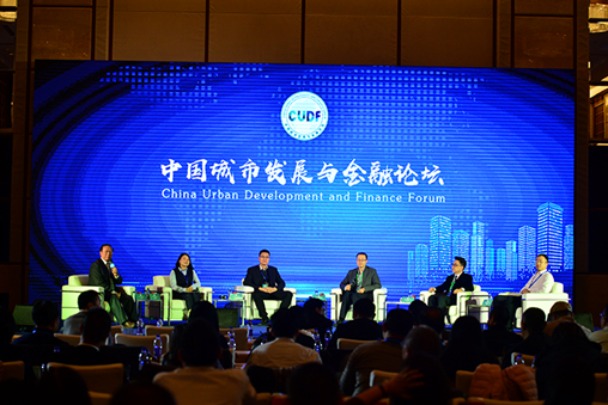
Beijing, China – December 11, 2017 – A pivotal forum addressing the complex challenges inherent in modern urban development convened in Beijing on Saturday, December 9, 2017. The China Urban Development and Finance Forum, spearheaded by Shunxin Construction, gathered a diverse assembly of experts, policymakers, and industry leaders to underscore the critical imperative of fostering greener, more sustainable urban environments. The discussions were particularly timely, unfolding in the immediate aftermath of the 19th National Congress of the Communist Party of China, which had just articulated a renewed national vision for high-quality development and ecological civilization.
The forum served as a crucial platform for stakeholders to delve into the nuanced principles guiding China’s urban future. Attendees engaged in robust dialogues centered on an overarching vision for urban development characterized by innovation, coordination, green initiatives, openness, and shared benefits. This five-pronged approach, echoing national policy directives, emphasized the necessity for collaborative synergy among government entities, private enterprises, and academic institutions to achieve mutually beneficial outcomes and propel sustainable growth across the nation’s rapidly evolving urban landscape.
The Evolving Landscape of China’s Urbanization
China’s urbanization journey has been one of the most remarkable demographic shifts in human history. Over the past four decades, the nation has witnessed an unprecedented migration from rural areas to urban centers, with the urban population surpassing 50% in the early 2010s and continuing its upward trajectory. This rapid expansion, while fueling phenomenal economic growth, has simultaneously presented a myriad of daunting challenges. Issues such as severe air and water pollution, traffic congestion, resource scarcity, widening income disparities, and the degradation of cultural heritage have become prominent concerns in many of China’s sprawling metropolises.
In response to these burgeoning issues, and recognizing the need to transition from sheer quantitative growth to qualitative, sustainable development, the Chinese leadership has increasingly prioritized environmental protection and balanced regional development. The 19th CPC Congress in October 2017 formally enshrined the concept of "ecological civilization" into the Party’s constitution, signaling a profound shift in development philosophy. This commitment calls for an integrated approach that harmonizes economic prosperity with environmental stewardship and social equity, laying the foundational context for forums such as this one. The forum’s emphasis on "greener and more sustainable urban development" directly resonated with this overarching national strategy, highlighting the practical implementation mechanisms required to achieve these ambitious goals.

Leadership Perspectives on Sustainable Growth and Finance
Key figures from the host organization, Shunxin Construction, articulated their commitment to these new development paradigms. Wang Yawei, Board Chairman of Shunxin Construction, reaffirmed his company’s dedication to the "innovative, coordinated, green, open, and shared" development model. He emphasized the crucial role of supply-side structural reform in achieving sustainable growth within the construction and urban development sector. Supply-side reform, a macroeconomic strategy initiated by the Chinese government, aims to improve the quality and efficiency of supply by streamlining regulations, reducing costs, and fostering innovation, thereby addressing structural imbalances in the economy. For Shunxin Construction, this translates into developing projects that are not only economically viable but also environmentally responsible and socially inclusive.
Complementing this perspective, Wei Wuqun, General Manager of Shunxin Construction Investment and Fund, highlighted the indispensable role of robust financial mechanisms in driving urban development and facilitating state-owned enterprise (SOE) reform. Wuqun’s insights underscored the growing recognition that innovative funding models are essential to finance the extensive infrastructure and environmental projects required for sustainable cities. This includes exploring various financing instruments such as Public-Private Partnerships (PPPs), green bonds, and specialized urban development funds. The integration of financial innovation with urban planning is seen as a powerful catalyst, especially in the context of SOE reform, where traditional funding channels are being re-evaluated to enhance efficiency and market responsiveness. The reform of SOEs is a significant national agenda, aiming to make these large state-owned entities more competitive and contribute more effectively to national development goals.

The Concept of "Urban Restoration" and Regional Applications
A significant portion of the forum’s discussion was dedicated to the concept of "urban restoration," a forward-thinking approach to rejuvenating existing urban areas. Wang Zhongjie from the China Academy of Urban Planning and Design provided a compelling case study, using Sanya in Hainan province as an illustrative example. He elaborated on "urban restoration" as a comprehensive strategy focused not merely on superficial aesthetic improvements but on the holistic revitalization of the urban environment and the preservation and enhancement of a city’s unique cultural connotations.
In the context of Sanya, a popular tourist destination, urban restoration might involve restoring degraded coastal ecosystems, improving water quality in rivers and bays, enhancing green spaces, and renovating historical districts to highlight local culture and architecture. Beyond environmental and aesthetic considerations, this concept often encompasses upgrading public services, improving transportation networks, and fostering community engagement to create more livable and resilient urban spaces. The objective is to move away from destructive, rapid development towards a more thoughtful, integrated approach that respects ecological limits and cultural heritage, ultimately aiming for long-term sustainability and quality of life for residents and visitors alike. This approach is particularly pertinent as China seeks to diversify its economic growth engines and develop its regional cities beyond the traditional industrial hubs.

National Urbanization Campaign and Policy Implications
The forum’s proceedings were set against the backdrop of China’s ongoing national urbanization campaign. This campaign, given renewed impetus after the 19th CPC Congress, seeks to address the dual challenges of overcrowded megacities and the underdeveloped state of many second- and third-tier cities and townships. The strategy aims to optimize the distribution of urban populations, alleviate pressure on first-tier cities, and stimulate growth and improved living standards in smaller urban centers. This involves significant investments in infrastructure, public services, and industrial upgrading in these emerging cities, ensuring that their development is balanced and sustainable from the outset.
The discussions at the forum directly informed this national agenda, providing practical insights and collaborative frameworks for its implementation. The "innovative, coordinated, green, open, and shared" paradigm is intended to guide all levels of urban planning and governance, ensuring that future urban growth is not only economically productive but also environmentally sound and socially equitable. This means promoting advanced manufacturing and service industries in smaller cities, developing smart transportation systems, investing in renewable energy, and creating accessible public spaces for all residents.

Deep Dive into Thematic Seminars
The forum’s agenda included two specialized seminars that delved into specific aspects of urban development: "the balance between urban development and environmental resources" and "smart urban finance." These seminars offered focused platforms for in-depth discussions and experience sharing.
The seminar on balancing urban development and environmental resources tackled critical issues such as air and water pollution control, sustainable land use, waste management, and the integration of green infrastructure into urban planning. Experts discussed strategies for reducing carbon footprints, promoting energy efficiency in buildings, and developing resilient urban ecosystems capable of mitigating the impacts of climate change. Representatives from various "pilot cities" of urban restoration shared their practical experiences, highlighting both successes and challenges in implementing environmentally conscious development policies. These shared experiences likely included discussions on innovative technologies for pollution monitoring, public awareness campaigns for conservation, and policy frameworks for protecting natural assets like wetlands and forests within urban boundaries. The imperative to decouple economic growth from environmental degradation was a central theme, with an emphasis on circular economy principles and resource efficiency.

The seminar on smart urban finance explored novel financing models and technologies designed to support sustainable urban growth. Discussions likely revolved around the application of digital technologies to improve urban governance, optimize resource allocation, and enhance public services. This could include smart grid systems for energy management, intelligent transportation networks, big data analytics for urban planning, and e-governance platforms for citizen engagement. From a financial perspective, experts deliberated on mechanisms to attract private capital for sustainable projects, the role of green bonds in funding environmental initiatives, and the development of risk assessment tools for green investments. The potential of Public-Private Partnerships (PPPs) was a significant topic, exploring how these collaborative models can leverage private sector expertise and capital to deliver public infrastructure and services more efficiently and sustainably. The session also touched upon the role of financial technology (FinTech) in making urban finance more transparent and accessible, fostering a dynamic ecosystem for urban innovation.
Broader Impact and Implications for China’s Urban Future
The China Urban Development and Finance Forum represented more than just a gathering of experts; it was a testament to China’s evolving approach to urbanization. By bringing together diverse stakeholders and emphasizing a holistic, multi-faceted strategy, the forum contributed significantly to shaping the national discourse on sustainable urban development. The insights shared and the collaborative spirit fostered are crucial for translating high-level policy objectives into tangible improvements in cities across China.

The implications of such discussions are far-reaching. They signal a clear commitment from both the government and the private sector to move towards a future where cities are not only economic powerhouses but also livable, environmentally sound, and culturally rich spaces. The focus on "urban restoration" and "smart urban finance" indicates a proactive strategy to address past development shortcomings while embracing innovative solutions for future growth. As China continues its urbanization journey, the principles debated and refined at this forum will play a vital role in ensuring that its cities become models of sustainable development, contributing to both the well-being of its citizens and the broader global agenda for environmental stewardship. The collaborative framework involving government, enterprises, and institutes is expected to foster a dynamic ecosystem of innovation, accelerating the pace of achieving these ambitious national goals.

 Muslim
 Laily UPN