
 Iffa Jayyana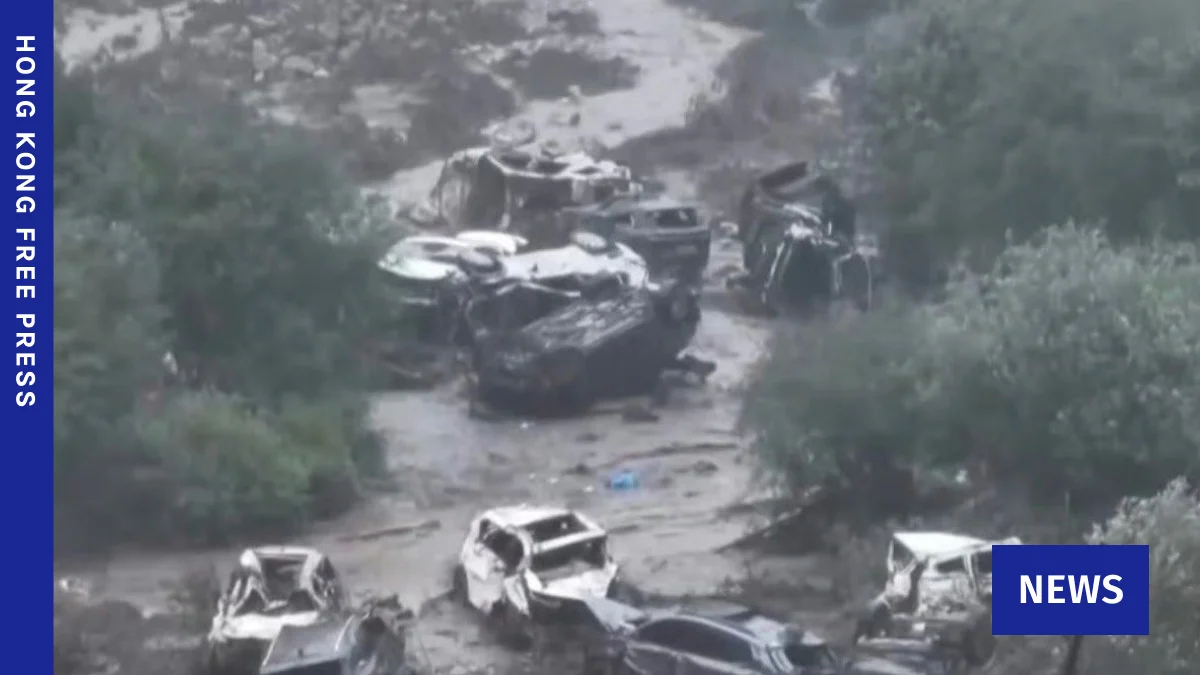
The death toll from a devastating flash flood that swept through the Shuangshimen Scenic Area in northwest China’s Gansu province has tragically climbed to 25, with 23 individuals reported injured, state media announced on Sunday, a week after the calamitous event. The updated figures underscore the severe and often rapidly escalating human cost of extreme weather phenomena that have plagued large swathes of the country throughout the summer. The disaster, which occurred on July 26, initially reported 10 fatalities but rescue and recovery operations over the past week have revealed a grim increase in casualties, highlighting the destructive power of the sudden deluge in the popular tourist destination.
The Shuangshimen Catastrophe: A Detailed Account
The Shuangshimen Scenic Area, nestled within the mountainous southern region of Gansu, is renowned for its picturesque natural beauty, drawing visitors with its unique stone arches, expansive alpine meadows, and serene mountain streams. It is particularly popular among day campers seeking respite in nature. However, on that fateful Friday, July 26, the tranquility of the scenic valley was shattered by an unforeseen torrent of water. Eyewitness accounts and videos shared online depicted terrifying scenes of powerful currents surging through the valley, engulfing numerous tents and parked vehicles, transforming the idyllic landscape into a scene of chaos and destruction within moments. The sheer force of the floodwaters left little time for many to react or seek safety, contributing to the high casualty count.

The initial response saw immediate deployment of rescue teams from local emergency services, police, and military units, battling challenging conditions to search for survivors and recover victims. The difficult mountainous terrain, coupled with the unpredictable nature of flash floods, complicated these efforts. Emergency medical personnel provided critical care to the injured, transporting them to nearby hospitals. The week-long recovery operation has been exhaustive, with responders meticulously combing the affected areas, underscoring the commitment to account for every individual.
Official Response and Forthcoming Investigation
In the wake of the rising casualty figures and the severity of the incident, China’s national commission for disaster prevention has announced that it will oversee a comprehensive investigation into the flash flood. This move, reported by Xinhua, signals a serious governmental commitment to understanding the root causes of the disaster, assessing the effectiveness of existing warning systems, and evaluating safety protocols in place at the scenic area. Such an investigation is crucial for determining whether any preventative measures could have been implemented or if early warning systems failed to provide sufficient notice to visitors and local authorities.
The scope of the inquiry is expected to be broad, examining various facets including meteorological forecasting, hydrological monitoring of the mountain streams, land-use planning within the scenic area, and the emergency response procedures for popular tourist sites in vulnerable regions. Officials will likely scrutinize the infrastructure within Shuangshimen, such as drainage systems and evacuation routes, to assess their resilience against extreme weather events. The findings of this investigation will be vital for implementing reforms aimed at enhancing visitor safety and disaster preparedness not just in Shuangshimen but across other similar natural attractions nationwide. The process is also expected to address any potential lapses in management or oversight that may have contributed to the tragic outcome.

A Summer of Unprecedented Extreme Weather Across China
The flash flood in Gansu is not an isolated incident but rather one of many severe weather events that have severely impacted China this summer. The country has been grappling with an intensified and prolonged period of extreme weather, characterized by torrential rainfall, widespread flooding, and devastating landslides, affecting vast areas from its central provinces to the southern and northwestern regions. Scientists and meteorologists have increasingly linked these escalating patterns to the broader impacts of climate change, suggesting a trend towards more frequent and intense hydrological events.
In July alone, other significant weather-related disasters compounded the national toll. Storms in the central province of Hubei resulted in the deaths of at least 11 people, causing extensive property damage and disrupting daily life for thousands. Further south, the Guangxi Zhuang Autonomous Region experienced severe flooding following torrential rainfall, leading to the breach of several dams. This critical situation necessitated the evacuation of approximately 130,000 people and claimed the lives of six individuals, underscoring the immense challenge of managing water infrastructure under extreme pressure. Concurrently, another tragic event unfolded in Gansu province itself, specifically in Dangchang County in the province’s south, where a major landslide claimed 21 lives. These consecutive disasters paint a stark picture of the environmental vulnerabilities and the immense humanitarian challenges faced by China this summer.
Historical Context of Flooding in China
China has a long and often tumultuous history with floods, largely due to its vast river systems, including the Yellow River and the Yangtze River, which are among the largest in the world. For millennia, Chinese civilization has developed alongside and in response to these powerful waterways, with flood control and water management being central to governance and societal stability. Major historical floods have often led to significant loss of life, displacement, and economic devastation, shaping the nation’s infrastructure and policies.

Over the past few decades, the Chinese government has invested heavily in extensive flood control projects, including massive dams like the Three Gorges Dam, extensive levee systems, and modern meteorological monitoring networks. These efforts have significantly reduced the scale of catastrophic floods compared to historical periods. However, the increasing frequency and intensity of localized extreme weather events, particularly flash floods in mountainous regions and urban areas, present new and evolving challenges. These events often occur rapidly, overwhelming localized defenses and catching communities off guard, making effective early warning systems and rapid response mechanisms more critical than ever. The current summer’s events suggest that while large-scale riverine floods might be better managed, the country faces a growing threat from smaller, but equally deadly, localized weather phenomena.
Tourism Safety and Environmental Management
The tragedy at Shuangshimen Scenic Area brings into sharp focus the complex interplay between promoting natural tourism and ensuring visitor safety, especially in environmentally sensitive and geographically vulnerable regions. Natural scenic areas, by their very definition, expose visitors to the elements and inherent risks of the natural world. The allure of untouched landscapes, alpine streams, and camping experiences draws millions, but managing these areas requires a delicate balance between accessibility and safety.
The incident raises critical questions about the adequacy of risk assessments for such sites, the effectiveness of communication channels to alert visitors about impending dangers, and the enforcement of safety regulations, particularly concerning activities like day camping in flood-prone areas. With climate change predicted to increase the frequency of sudden and extreme weather events, scenic area management authorities across China face the urgent task of reviewing and upgrading their disaster preparedness plans. This includes implementing real-time weather monitoring, establishing clear evacuation routes, installing robust warning systems (both technological and human-led), and educating visitors on potential risks. There is also an ongoing debate about the environmental impact of large numbers of tourists in fragile ecosystems and how this might exacerbate natural hazards.

Recovery Efforts and Future Implications
As the immediate aftermath of the Shuangshimen flood transitions into a period of recovery, the focus will shift to providing long-term support for the injured, offering psychological assistance to affected families, and rebuilding the damaged infrastructure. The emotional and economic toll on the local communities dependent on tourism for their livelihoods will be substantial. Humanitarian aid and government assistance will be crucial in facilitating this recovery process.
Beyond the immediate relief, the incident carries significant implications for disaster management policy across China. It serves as a stark reminder of the urgent need for enhanced early warning systems that can predict flash floods with greater accuracy and disseminate alerts more effectively, especially in remote and recreational areas. Lessons learned from this tragedy will undoubtedly inform revisions to national and provincial guidelines for managing tourist sites, urban planning in floodplains, and the development of more resilient infrastructure. Furthermore, the broader context of extreme weather events across the country will likely spur accelerated efforts in climate change adaptation strategies, including improved water resource management, ecosystem restoration, and public awareness campaigns on climate-related risks. The integration of advanced technologies, such as AI-driven weather prediction and drone-based surveillance, into disaster response frameworks will also be a key area of focus for authorities aiming to mitigate the impact of future environmental challenges. The human cost in Shuangshimen underscores the critical importance of proactive measures and robust emergency preparedness in an era of unpredictable climate patterns.


 Jia Lissa
 Azzam Bilal Chamdy