Basiran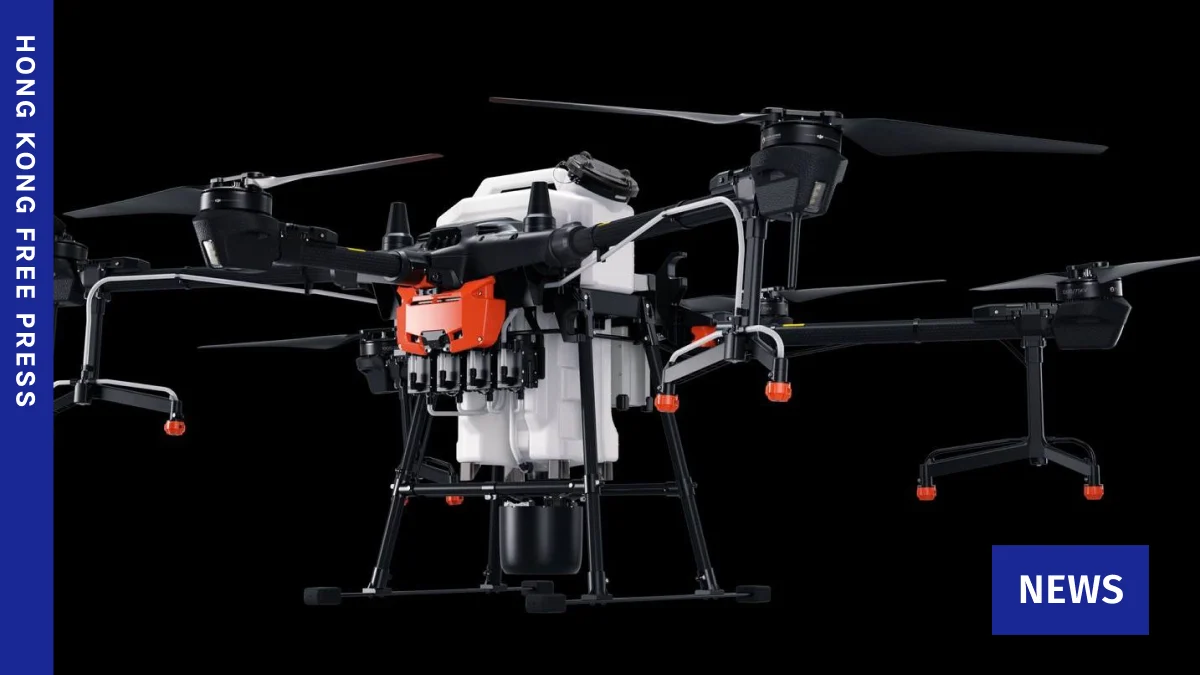
Beijing, China – China announced stringent restrictions on drone exports to the United States and concurrently blacklisted six American companies on Wednesday, marking a significant escalation in the ongoing trade and technology dispute between the world’s two largest economies. This decisive move by the Chinese Ministry of Commerce comes as a direct response to a series of trade sanctions recently imposed by Washington, which cite concerns over alleged forced labor practices in China’s Xinjiang region and broader national security risks associated with Chinese technology. The retaliatory measures underscore a deepening rift and signal China’s readiness to leverage its economic power in response to perceived infringements on its sovereignty and commercial interests.
The drone export controls target unmanned aerial vehicles (UAVs) and their crucial components and related technologies destined for the United States. While specific details on the scope of these restrictions, such as the types of drones or components affected, were not immediately released, the implication for the global drone market, particularly the consumer and commercial sectors heavily reliant on Chinese manufacturing giants like DJI, is substantial. DJI, a Shenzhen-based company, dominates the global civilian drone market, holding an estimated 70-80% market share. Any significant restriction on its products or components could send ripples through industries ranging from agriculture and logistics to real estate and entertainment in the U.S.

A Broadening Scope of Retaliation
Beyond drones, Beijing’s retaliatory package extends to a broader array of measures. The Ministry of Commerce spokesperson stated that these actions are "necessary countermeasures" designed to protect China’s "legitimate rights and interests," which they claim have been "seriously harmed" by recent U.S. policies. These additional measures include the suspension of factory follow-up inspections by Chinese certification bodies, effectively hindering the compliance process for certain U.S. imports. Furthermore, several U.S. compliance testing companies have been blacklisted, complicating the regulatory landscape for American firms operating within or exporting to China. In a move signaling an expansion of national security concerns, China also announced the launch of national security investigations into imports of office printers and copiers, mirroring Washington’s own scrutiny of Chinese technology on similar grounds.
The blacklisting of six U.S. businesses represents a direct counter-sanction. Among those explicitly named are biotech company Applied DNA Sciences and geoscience research firm Stratum Reservoir. The Chinese Ministry of Commerce explicitly accused these entities of having "assisted and supported illegal U.S. sanctions related to Xinjiang," asserting that "the nature of their actions is egregious." Consequently, organizations and individuals within China are now prohibited from engaging in "relevant transactions, cooperation, or other activities" with these sanctioned American firms. This effectively severs their access to the vast Chinese market and any potential partnerships or supply chain connections within the country. While the immediate financial impact on these specific companies remains to be fully assessed, the symbolic weight of such a blacklisting is considerable, signaling China’s willingness to target individual enterprises that it believes are complicit in U.S. policy actions against its interests.

The Xinjiang Nexus: Human Rights and Trade
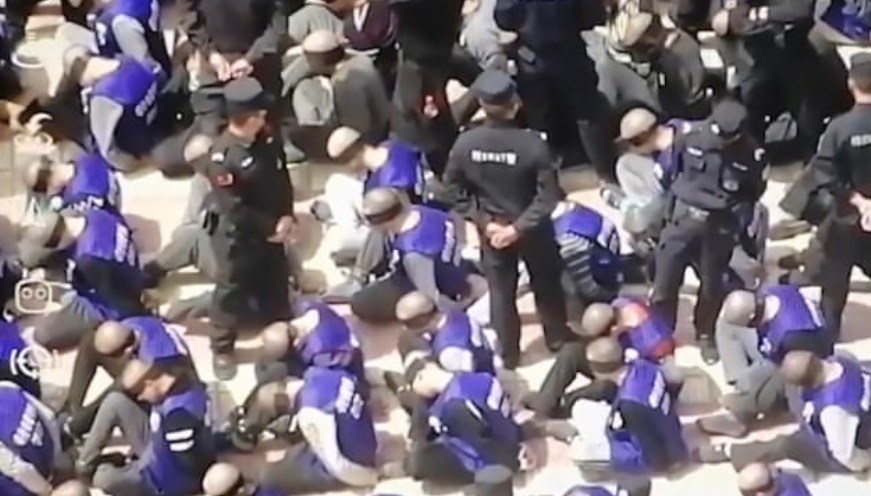
At the heart of the U.S. sanctions and China’s retaliatory measures lies the contentious issue of Xinjiang. Washington’s trade restrictions, particularly those related to "forced labor," are largely predicated on widespread international concerns regarding the treatment of the mostly Muslim Uyghur minority and other ethnic groups in China’s Xinjiang Uyghur Autonomous Region. Numerous reports from human rights organizations, academic researchers, and governmental bodies, including a significant assessment by the United Nations, have detailed allegations of mass arbitrary detention, forced labor, cultural and religious repression, and other grave human rights abuses that may amount to crimes against humanity.
The U.S. government, through legislation like the Uyghur Forced Labor Prevention Act (UFLPA) which came into full effect in June of last year, presumes that all goods produced in Xinjiang are made with forced labor and thus bans their importation unless companies can definitively prove otherwise. This legislative framework has led to the blocking of numerous shipments and the sanctioning of Chinese entities deemed responsible for or complicit in these practices. China vehemently denies all such accusations, characterizing the detention centers as vocational training schools designed to combat extremism and asserting that all labor in Xinjiang is voluntary. Beijing views Washington’s actions as interference in its internal affairs, an attempt to destabilize the region, and a pretext for economic containment. This fundamental disagreement over the facts and motivations behind the Xinjiang issue remains a central and intractable point of contention, fueling the tit-for-tat trade measures.
A Chronology of Escalation
This latest round of retaliatory actions did not emerge in a vacuum but is rather the latest chapter in a protracted and increasingly fraught economic rivalry. The current escalation follows days after the United States imposed fresh tariffs on a range of Chinese goods, alongside those from 59 other countries. While the specifics of these latest U.S. tariffs and the precise timing of their implementation were a catalyst, they build upon a foundation of trade tensions that have characterized U.S.-China relations for several years.
- 2018-2019: The Genesis of the Trade War: Under the Trump administration, the U.S. initiated a "trade war" in 2018, imposing tariffs on hundreds of billions of dollars worth of Chinese imports, citing unfair trade practices, intellectual property theft, and forced technology transfers. China retaliated with its own tariffs on U.S. goods.
- October 2019: A Brief Truce: A "Phase One" trade deal was reached between then-U.S. President Donald Trump and Chinese President Xi Jinping, aiming to de-escalate tensions. China committed to increasing purchases of U.S. agricultural products and addressing some intellectual property concerns, while the U.S. agreed to roll back some tariffs.
- Post-2019: Lingering Tensions and New Fronts: Despite the "Phase One" deal, many tariffs remained in place, and new areas of contention emerged, particularly around technology. The U.S. began to restrict access for Chinese tech giants like Huawei and ZTE to American markets and supply chains, citing national security concerns.
- Recent Developments: Last week, China also accused the United States of seeking to "suppress" Chinese companies after Washington banned imports of humanoid and quadruped robots manufactured abroad, a move separate from the new tariffs but indicative of a broader strategy of technological decoupling. This ban, driven by concerns about data security and potential military applications, further inflamed Beijing, which views it as an unwarranted attack on its burgeoning robotics industry.
- He Lifeng’s Demarche: In a high-level diplomatic engagement, China’s top trade official, He Lifeng, conveyed "serious concern" regarding the recent restrictions to U.S. Trade Representative Jamieson Greer during a telephone call, as reported by state news agency Xinhua. This communication underscores the depth of China’s dissatisfaction and its official protest against the U.S. measures.
Economic and Geopolitical Implications

The latest volley of sanctions and countermeasures carries significant economic and geopolitical implications. For the drone industry, particularly in the U.S., the restrictions could necessitate a rapid shift in supply chains and manufacturing strategies. U.S. companies and consumers heavily rely on Chinese-made drones, known for their affordability and technological sophistication. While the U.S. has domestic drone manufacturers, they currently lack the scale and market penetration of Chinese counterparts. This could lead to higher costs, slower innovation, and potential disruptions for sectors that have integrated drones into their operations. Conversely, Chinese drone manufacturers could face a substantial loss of market share in the U.S., forcing them to seek new markets or adapt their export models.
The blacklisting of U.S. compliance testing companies and the national security investigations into office printer and copier imports suggest China’s intent to mirror U.S. tactics, creating reciprocal barriers to trade and investment. This tit-for-tat dynamic risks accelerating a broader economic decoupling, where both nations increasingly seek to reduce their reliance on each other’s supply chains and technological ecosystems. Such decoupling, while potentially enhancing national security and economic resilience in the long term for some, invariably leads to inefficiencies, higher costs, and slower global economic growth in the short to medium term.
Experts in international trade and geopolitics are observing these developments with growing concern. Analysts like Dr. Emily Chang, a senior fellow at the Global Trade Institute, note that "these actions signify a dangerous hardening of positions on both sides. The targeting of specific technologies like drones, and the explicit linkage to human rights issues, means that trade disputes are no longer just about tariffs but are now deeply intertwined with national security and ideological differences. This makes de-escalation far more challenging." She adds, "The danger is that these targeted measures create a domino effect, pushing both economies further down a path of fragmentation."

The global supply chain, already strained by recent geopolitical events and the pandemic, will likely face renewed pressures. Companies operating internationally will be forced to re-evaluate their sourcing strategies, invest in diversification, and navigate an increasingly complex and politicized trade environment. The threat to the truce reached in 2019 is now palpable, with Beijing explicitly warning Washington against waging a full-blown trade war. The current trajectory suggests that rather than a return to comprehensive dialogue and resolution, both nations are settling into a pattern of strategic competition and retaliatory measures, with profound implications for global commerce and international relations. As the U.S. continues to press on human rights and national security, and China continues to assert its sovereignty and economic strength, the prospect of a sustained and deepening trade conflict remains a dominant feature of the global economic landscape.


 Asro
Asro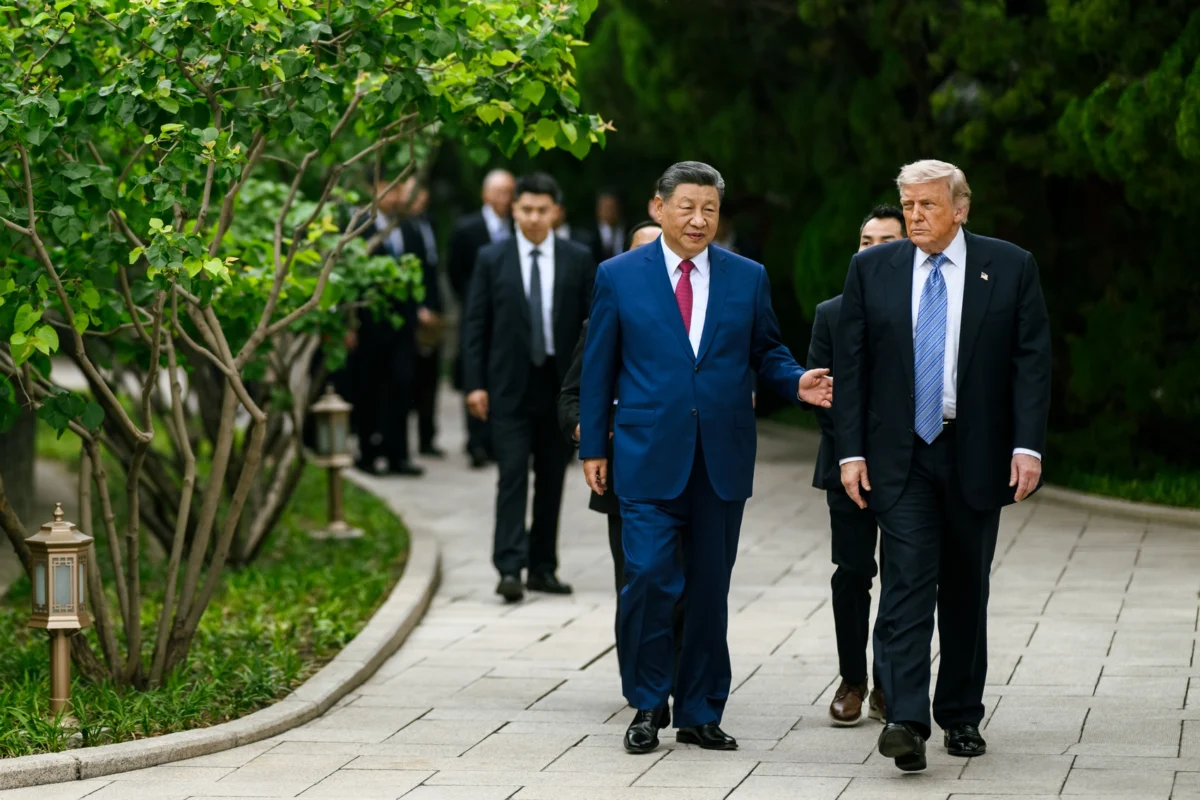
 Evan Lee Salim