Evan Lee Salim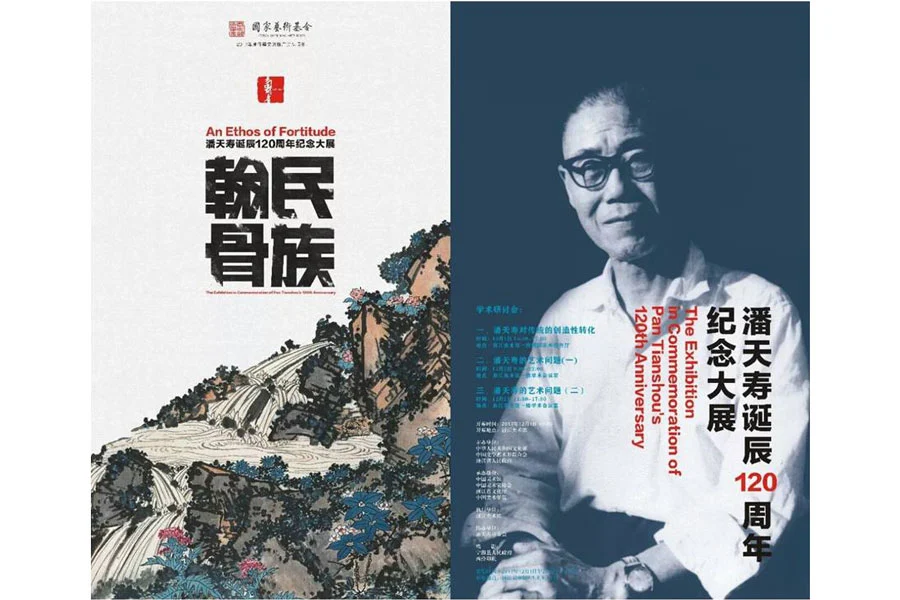
The Zhejiang Art Museum in Hangzhou, East China’s Zhejiang province, has unveiled a monumental exhibition, "An Ethos of Fortitude – The Exhibition in Commemoration of Pan Tianshou’s 120th Anniversary," marking the largest-ever presentation of the renowned artist’s oeuvre. Opening its doors on Friday, the exhibition showcases over 120 significant artworks and manuscripts, offering an unprecedented deep dive into the artistic legacy of Pan Tianshou, a pivotal figure in 20th-century Chinese painting and art education.
A Legacy Forged in Resilience
Pan Tianshou (1897-1971) stands as a towering figure in the landscape of modern Chinese art. Born in the very province that now celebrates his centennial, Pan’s life and career were deeply intertwined with the tumultuous transformations of early 20th-century China. His artistic vision, characterized by bold compositions, powerful brushwork, and a profound connection to nature, offered a distinctive path for Chinese ink painting during a period of immense cultural and political upheaval.
Beyond his artistic prowess, Pan was a dedicated educator who significantly shaped the trajectory of art institutions. He served as president of the Zhejiang Academy of Fine Arts, a precursor to the esteemed China Academy of Art, where he mentored generations of artists and thinkers. His leadership roles extended to national organizations, including vice-president of the China Artists Association and vice-president of the Xiling Seal Engravers Society, underscoring his influence across various facets of China’s art world.
The exhibition’s title, "An Ethos of Fortitude," aptly reflects the spirit that permeated Pan’s life and work. He navigated periods of intense societal change, personal hardship, and political scrutiny with unwavering dedication to his artistic principles and educational mission. This exhibition aims to illuminate not just his masterful technique but also the resilience of his artistic spirit, which continued to produce profound works even amidst adversity.
A Chronological Journey Through Artistic Evolution
The exhibition meticulously curates Pan Tianshou’s artistic journey, offering visitors a chronological understanding of his stylistic development and thematic concerns. While specific chronological arrangements within the exhibition are not detailed in the initial announcement, such a comprehensive retrospective typically begins with his early works, showcasing the influences that shaped his nascent talent. This would likely include his engagement with traditional Chinese painting techniques and his early explorations of subject matter.
As the exhibition progresses, visitors would witness the emergence of Pan’s signature style. This phase is characterized by his innovative approach to composition, often employing asymmetrical arrangements and a striking sense of space. His bold use of ink and color, combined with his distinctive calligraphic brushwork, created a powerful visual language that broke away from more delicate or academic traditions. Key themes explored during this period often included landscapes, birds and flowers, and still lifes, each rendered with a unique vitality and emotional depth.
A significant portion of the exhibition would undoubtedly focus on his mature works, produced during the mid to late 20th century. These pieces often reflect a heightened sense of grandeur and a deeper philosophical engagement with the natural world. His iconic depictions of eagles, rocks, and plants are not mere representations but imbued with symbolic meaning, speaking to themes of strength, endurance, and the enduring spirit of China. The inclusion of his manuscripts and personal writings would provide invaluable insights into his creative process, his artistic philosophy, and his reflections on the state of art and culture during his time.
The retrospective’s comprehensive nature suggests a deliberate effort to cover the breadth of his output, from large-scale, iconic paintings to more intimate studies and preparatory sketches. The inclusion of over 120 pieces indicates a significant investment in bringing together works from various collections, potentially including museum holdings, private collections, and perhaps even family archives.
Supporting Data: The Scale and Significance of the Exhibition
The sheer scale of "An Ethos of Fortitude" – featuring over 120 works – positions it as a landmark event in the appreciation of Pan Tianshou. Such a substantial presentation allows for a holistic understanding of his artistic contributions, moving beyond individual iconic pieces to reveal the depth and consistency of his creative output.
To contextualize this scale, consider the typical output of a prolific artist. A major retrospective in the art world often aims to showcase a significant portion of an artist’s most important works. For an artist like Pan Tianshou, whose career spanned several decades and witnessed profound artistic and societal shifts, a collection of this size is crucial for capturing the full arc of his evolution.
The exhibition’s focus on both artworks and manuscripts is a critical element. Manuscripts, letters, and personal writings offer a unique window into an artist’s mind. They reveal their intellectual pursuits, their pedagogical approaches, and their personal struggles and triumphs. In Pan Tianshou’s case, these materials would likely shed light on his experiences as an educator, his philosophical underpinnings, and his responses to the socio-political climate of his era. For instance, his writings might detail his debates on artistic direction, his methods for nurturing young talent, or his reflections on the role of art in a changing society.
The choice of Hangzhou as the venue is also significant. As Pan Tianshou’s birthplace and the location of the institution he led for many years (the China Academy of Art), Zhejiang province holds a special resonance. Hosting such a major exhibition here underscores the deep connection between the artist and his home region, allowing local audiences and scholars to engage with his legacy in a particularly meaningful context.
Official Responses and Artistic Discourse
While specific statements from organizers or participating institutions were not immediately available in the provided text, the opening of such a major exhibition invariably garners attention from the art world and cultural authorities. One can infer that museum directors, art historians, and cultural officials would likely have expressed their support and highlighted the exhibition’s importance.
Inferred Statements and Reactions:
- Museum Director: A director of the Zhejiang Art Museum would likely have emphasized the museum’s commitment to showcasing seminal figures in Chinese art history. They might have spoken about the exhibition’s role in enriching the cultural landscape of Zhejiang and attracting art enthusiasts from both within China and internationally. The director would likely highlight the collaborative efforts involved in assembling such a comprehensive collection.
- Art Historians and Critics: Experts in Chinese art would undoubtedly view this exhibition as a significant scholarly event. They might comment on Pan Tianshou’s enduring influence, his innovative techniques, and his role in bridging traditional aesthetics with modern sensibilities. Discussions would likely focus on his unique artistic language, his pedagogical innovations, and his resilience in the face of historical challenges.
- Representatives from Art Academies: Given Pan Tianshou’s deep ties to art education, faculty and leadership from institutions like the China Academy of Art would likely express pride and recognize the exhibition as a vital opportunity to educate current and future generations of artists about his legacy. They might point to his teachings and artistic philosophy as enduring sources of inspiration.
- Cultural Ministry Officials: National cultural bodies would likely acknowledge the exhibition as a significant contribution to the preservation and promotion of China’s rich artistic heritage. They might underscore the importance of such retrospectives in fostering cultural understanding and national identity.
The exhibition itself serves as a catalyst for ongoing dialogue and scholarly research. The detailed presentation of Pan’s works and writings will likely inspire new interpretations, academic papers, and critical analyses, further solidifying his position in art history.
Broader Impact and Implications
The "An Ethos of Fortitude" exhibition holds considerable implications for the understanding and appreciation of modern Chinese art. By presenting such a comprehensive collection, it not only celebrates Pan Tianshou’s individual genius but also contributes to a broader discourse on the development of Chinese painting in the 20th century.
Key Implications:
- Re-evaluation of Pan Tianshou’s Legacy: A large-scale exhibition of this magnitude offers an opportunity for a renewed and potentially more nuanced understanding of Pan Tianshou’s artistic contributions. It can bring to light lesser-known aspects of his work and deepen appreciation for his innovative spirit.
- Influence on Contemporary Art: Pan’s emphasis on artistic integrity, resilience, and the profound connection between art and life continues to resonate with contemporary artists. The exhibition may inspire current practitioners to explore similar themes and approaches in their own work.
- Educational Value: For students and aspiring artists, the exhibition serves as an invaluable educational resource. It provides a tangible connection to a master artist, offering insights into technique, philosophy, and the dedication required to forge a significant artistic career.
- Cultural Diplomacy and International Interest: Major exhibitions of this caliber often attract international attention. They serve as important platforms for showcasing China’s artistic achievements to a global audience, fostering cultural exchange and understanding. The enduring appeal of Chinese ink painting worldwide suggests that this exhibition could draw significant interest from international art enthusiasts and scholars.
- Preservation and Promotion of Heritage: The meticulous organization and presentation of such a significant body of work underscore the importance of cultural heritage preservation. By bringing these pieces to the public, the exhibition ensures that Pan Tianshou’s legacy is not only remembered but actively celebrated and studied for generations to come.
In conclusion, "An Ethos of Fortitude" is more than just an exhibition; it is a profound tribute to a pivotal figure in Chinese art. Through its extensive display of artworks and manuscripts, it offers a comprehensive and deeply insightful exploration of Pan Tianshou’s artistic vision, his enduring spirit, and his lasting impact on the world of art and education. The exhibition promises to be a significant cultural event, drawing art lovers, scholars, and the general public alike to engage with the powerful legacy of this extraordinary artist.

 Asep Darmawan
 Rifan Muazin