Laily UPN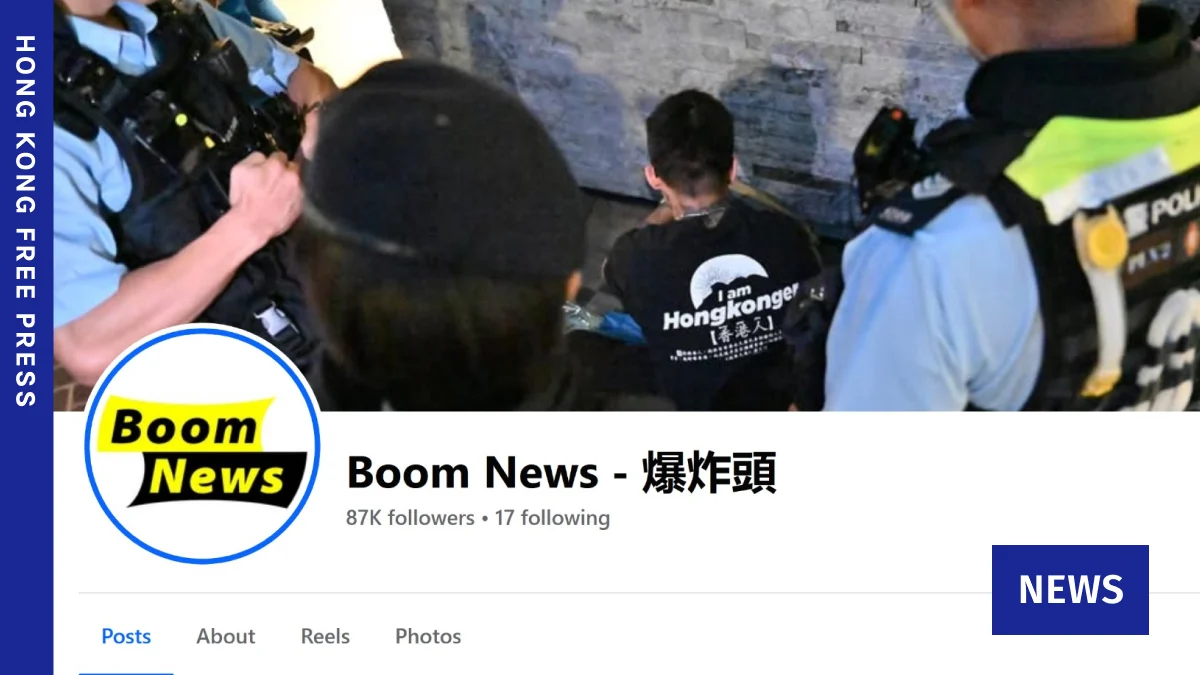
Hong Kong’s national security police have reportedly arrested Tang Ho-wing, an independent journalist and operator of the online news outlet Boom News, on suspicion of publishing fake news. The arrest, which took place early Wednesday morning, has raised fresh concerns about press freedom in the city, particularly under the stringent National Security Law.

Details of the Arrest
According to a report by Sing Tao Headline, the National Security Department of the Hong Kong Police Force apprehended Tang Ho-wing at approximately 7:00 AM on Wednesday. Tang is known to operate the online news platform Boom News and manages its presence across various social media channels, including Facebook, Instagram, Threads, and YouTube, often under the moniker "Boomhead."
Hong Kong Free Press (HKFP) attempted to reach Tang Ho-wing via his phone number, but calls went directly to voicemail, indicating his unavailability. Sing Tao Headline was reportedly the sole news outlet present at the scene of the arrest.

Allegations and Legal Framework
The primary allegation against Tang Ho-wing, as cited by Sing Tao Headline and subsequently reported by other local news outlets such as HK01 and i-Cable, is the dissemination of false information. Chinese-language reports suggest that the arrest is related to spreading false information with the intent of incitement or sedition.
This charge falls under the purview of Hong Kong’s national security legislation, which has been a focal point of increased scrutiny and controversy since its implementation in June 2020. The National Security Law grants broad powers to authorities to investigate and prosecute acts deemed to be threats to national security, including secession, subversion, terrorism, and collusion with foreign forces. The broad interpretation and application of these provisions have led to concerns among civil society groups and international observers regarding the erosion of fundamental freedoms, including freedom of speech and the press.

While specific details regarding the exact content published by Boom News that led to the arrest have not been publicly disclosed by the authorities, the nature of the allegations points towards content that could be construed as undermining public order or inciting unrest. The law’s broad definition of "false information" can be a sensitive area, particularly for independent media outlets that rely on reporting potentially controversial or critical information.
Background of Boom News and Independent Journalism in Hong Kong
Boom News operates within a media landscape in Hong Kong that has undergone significant transformation in recent years. Following the pro-democracy protests of 2019 and the subsequent imposition of the National Security Law, several independent news outlets, including Apple Daily and Stand News, were forced to cease operations under pressure from authorities. Journalists associated with these outlets faced arrests and legal proceedings.

Independent journalists and small online platforms like Boom News have often stepped into the void left by these shuttered organizations, attempting to provide alternative perspectives and cover stories that may be less prominently featured in the more established, and in some cases, government-aligned media. Their work, however, often places them in a precarious position, navigating the evolving legal and political environment.
The arrest of Tang Ho-wing underscores the challenges faced by independent media in Hong Kong. The city, once lauded for its vibrant and free press, has seen a significant decline in press freedom rankings in recent years. Organizations like Reporters Without Borders have consistently highlighted the deteriorating situation, with Hong Kong falling dramatically in global press freedom indexes since 2020.

Chronology of Events (Based on Available Information)
- Early Wednesday Morning (Specific time not provided, but implied around 7:00 AM): Hong Kong national security police reportedly arrest journalist Tang Ho-wing at his residence or workplace.
- Wednesday Morning: Sing Tao Headline breaks the news of the arrest, citing sources and reporting the alleged reason as the dissemination of false information.
- Wednesday: Other local news outlets, including HK01 and i-Cable, report on the arrest, corroborating the initial report.
- Ongoing: Hong Kong Free Press (HKFP) attempts to contact Tang Ho-wing and reaches out to the police for official confirmation.
Potential Implications and Reactions
The arrest of an independent journalist on charges related to "fake news" or the dissemination of false information carries significant implications for the media landscape in Hong Kong.
- Chilling Effect on Journalism: Such arrests can create a chilling effect, discouraging journalists and media organizations from reporting on sensitive topics or challenging official narratives for fear of reprisal. This can lead to self-censorship and a further reduction in the diversity of voices in public discourse.
- Erosion of Press Freedom: International bodies and press freedom advocates have consistently voiced concerns about the erosion of press freedom in Hong Kong since the implementation of the National Security Law. This arrest is likely to be viewed as another indicator of this trend.
- Varying Interpretations of "False Information": The definition and application of "false information" can be subjective and politically charged. In a jurisdiction where national security concerns are paramount, there is a risk that legitimate reporting or critical commentary could be misconstrued or deliberately targeted.
- Impact on Public Discourse: The ability of citizens to access diverse and independent information is crucial for a healthy democracy. When journalists face arrest for their reporting, it can limit the public’s access to information and hinder informed public discourse.
While official statements from the Hong Kong Police Force are awaited, the actions taken against Tang Ho-wing reflect a pattern of intensified scrutiny on media operations in the city. The legal ramifications for Tang Ho-wing will depend on the specific charges brought against him and the evidence presented. However, the arrest itself serves as a stark reminder of the challenges facing independent journalism in Hong Kong today.

The situation highlights a broader global debate about the balance between national security and freedom of expression, particularly in the digital age where information can spread rapidly and its impact can be far-reaching. The international community will likely be observing this case closely for its potential impact on Hong Kong’s status as a global hub and its commitment to fundamental rights.


 Sagoh
Sagoh
 Ammar Sabilarrohman