Neng Nana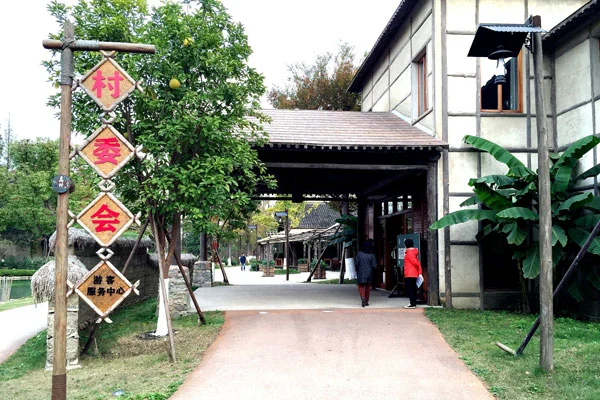
Wucun village in China’s Zhejiang province, a destination celebrated for its bucolic charm and agrarian allure, has received a significant boost to its visitor experience with the inauguration of a new culture center. This modern facility, which opened its doors in July, has seamlessly integrated into the village’s picturesque landscape of verdant fields and traditional white-walled farmhouses capped with black-shingled rooftops, offering a vibrant new dimension to its established pastoral appeal. The center’s diverse programming, ranging from hands-on parent-child activities to engaging traditional crafts, has already proven instrumental in attracting a wider demographic and deepening the immersion for existing visitors.
Revitalizing Wucun’s Appeal: A Blend of Tradition and Modern Engagement
The Wucun culture center has been meticulously designed to complement, rather than overshadow, the village’s inherent natural beauty and historical context. Its opening in July marked a strategic expansion of Wucun’s tourism offerings, which first opened to the public at the start of 2016 with the explicit aim of providing visitors with an authentic pastoral experience. Situated near the historic Grand Canal, a vital artery connecting the bustling capital of Beijing to Zhejiang’s provincial capital, Hangzhou, Wucun has long leveraged its strategic location and serene environment to draw visitors seeking an escape from urban life.
The culture center’s programming is multifaceted, catering to a broad spectrum of interests and age groups. A core focus is on parent-child engagement, with activities such as baking, Lego block construction, art workshops, catering introductions, and even rock climbing designed to foster shared experiences. Notably, the center also offers children the opportunity to connect with the past by engaging with games and toys that were popular with their parents and even grandparents, fostering a sense of intergenerational continuity and understanding.
"The center has spiced up what Wucun already has and attracted more visitors," stated Zhong Ying, an official from Wucun. This sentiment underscores the center’s success in enhancing the village’s existing appeal, transforming it into an even more compelling tourism destination within Zhejiang’s renowned Wuzhen water town region. The Wuzhen water town itself is a globally recognized tourist attraction, known for its ancient canals, stone bridges, and well-preserved traditional architecture, making Wucun’s integration into this broader tourism ecosystem particularly significant.
A Chronology of Growth and Engagement
The establishment of the Wucun culture center represents a deliberate step in the village’s ongoing development as a tourist destination. Following its public opening in early 2016, Wucun focused on cultivating its pastoral identity. The decision to introduce a dedicated culture center in July of the current year was a direct response to the evolving demands of the tourism market and a desire to offer more interactive and engaging experiences.
A significant indicator of the culture center’s immediate impact was the staging of a month-long children’s festival in August. This event proved to be a major draw, attracting substantial crowds and demonstrating the effectiveness of the center’s targeted programming. The festival’s success was quantifiable, with visitor numbers surging by an impressive 150 percent in August compared to the preceding month of July, a period that would typically see a consistent flow of tourists during the summer season.
During the August festival, guests were immersed in a variety of traditional rural activities. These included hands-on experiences such as planting and harvesting vegetables, engaging in pond fishing, picking fruits directly from trees, and the unique opportunity to stay in traditional rural courtyards. These activities directly align with Wucun’s core mission of offering authentic pastoral experiences, allowing visitors, particularly families, to step away from their urban routines and connect with a more traditional way of life.
Data-Driven Success: Popular Activities and Visitor Demographics
The culture center’s programming has seen remarkable success, with specific activities emerging as particularly popular. Zhong Ying highlighted that Western pastry baking and art projects, including crochet and plaiting rattan, are drawing the most interest. These craft-based activities, along with baking, are highly interactive and have been observed to foster stronger bonds between parents and their children. This focus on shared learning and creation is a key differentiator for the center.
The operational model of the culture center is also noteworthy. Most classes are fully booked during peak tourism seasons, indicating strong demand. Each session typically lasts between 45 to 60 minutes and accommodates up to 20 participants, ensuring an intimate and effective learning environment. This structured approach to class scheduling and capacity management contributes to the high quality of the visitor experience.
The primary demographic for Wucun’s tourism, and by extension the culture center’s activities, comprises family visitors. This trend is driven by parents’ desire for their children to experience and understand "old-fashioned farming life," as articulated by Zhong Ying. This insight informs the strategic direction of the center’s programming, ensuring its continued relevance and appeal to its target audience.
Geographically, visitors are predominantly drawn from major urban centers within Zhejiang province and its neighboring regions. Travelers from Shanghai and Zhejiang’s capital, Hangzhou, are frequent weekend visitors, leveraging the relatively short travel times to escape to the tranquility of Wucun. This pattern of weekend tourism highlights the importance of accessible and engaging day-trip and short-stay options.
Background Context: Zhejiang’s Tourism Landscape and Pastoral Development
Zhejiang province has long been a prominent player in China’s tourism industry, renowned for its diverse attractions, including its picturesque water towns, historical sites, and natural landscapes. The province has actively promoted rural tourism as a means of economic development and cultural preservation, investing in infrastructure and visitor services in villages like Wucun.
The development of Wucun as a tourist destination aligns with a broader national strategy to revitalize rural economies through tourism. By offering an authentic glimpse into traditional rural life, Wucun taps into a growing demand among urban dwellers for authentic experiences and a connection to nature. The introduction of the culture center signifies an evolution in this strategy, moving beyond passive observation to active participation and experiential learning.
The proximity to the Grand Canal, a UNESCO World Heritage site, further enhances Wucun’s historical and cultural significance. This connection provides an added layer of appeal for visitors interested in China’s rich history and infrastructure development. The integration of Wucun into the broader Wuzhen water town tourism circuit also means it benefits from the established marketing and logistical networks of one of China’s most successful tourism models.
Analysis of Implications: Economic, Cultural, and Social Impacts
The success of the Wucun culture center has several significant implications for the village and the wider region. Economically, the increased visitor numbers translate directly into greater revenue for local businesses, including guesthouses, restaurants, and handicraft vendors. The sustained demand for classes also creates employment opportunities for local instructors and staff. Furthermore, the center’s popularity can attract further investment in rural tourism infrastructure and services.
Culturally, the center plays a vital role in preserving and promoting traditional crafts and knowledge. Activities like crochet and rattan plaiting, which might otherwise be at risk of fading into obscurity, are being actively taught and practiced, ensuring their transmission to younger generations. The emphasis on intergenerational activities also fosters a deeper appreciation for heritage and family traditions.
Socially, the culture center contributes to community building within Wucun. It provides a platform for interaction between villagers and visitors, fostering mutual understanding and cultural exchange. For visiting families, the shared experiences at the center strengthen familial bonds and create lasting memories, fulfilling the desire for meaningful connection in an increasingly digital world.
The success of Wucun’s model, particularly the integration of a modern culture center within a traditional setting, offers a replicable template for other rural tourism destinations. The emphasis on interactive programming, catering to family demographics, and leveraging existing cultural and natural assets provides a robust framework for sustainable rural development through tourism.
Future Outlook and Potential Challenges
The Wucun culture center’s initial success suggests a bright future for the village as a leading pastoral tourism destination. Continued investment in new and innovative programming, potentially incorporating seasonal festivals and exploring partnerships with educational institutions, could further solidify its appeal. Maintaining the authenticity of the experiences while catering to evolving visitor expectations will be key to its long-term success.
Potential challenges include managing the environmental impact of increased tourism, ensuring that development remains sustainable and does not detract from the natural beauty that attracts visitors. Overcrowding during peak seasons could also become an issue, necessitating careful visitor management strategies. Furthermore, maintaining the cultural integrity of Wucun while embracing modernization will require a delicate balance.
However, the current trajectory indicates that Wucun, bolstered by its dynamic culture center, is well-positioned to continue offering a unique and enriching experience for visitors, solidifying its place as a cherished gem in Zhejiang’s vibrant tourism landscape. The blend of traditional charm and contemporary engagement has proven to be a winning formula, attracting more visitors and deepening their connection to the pastoral heart of China.

 Asep Darmawan
 Rifan Muazin