Azzam Bilal Chamdy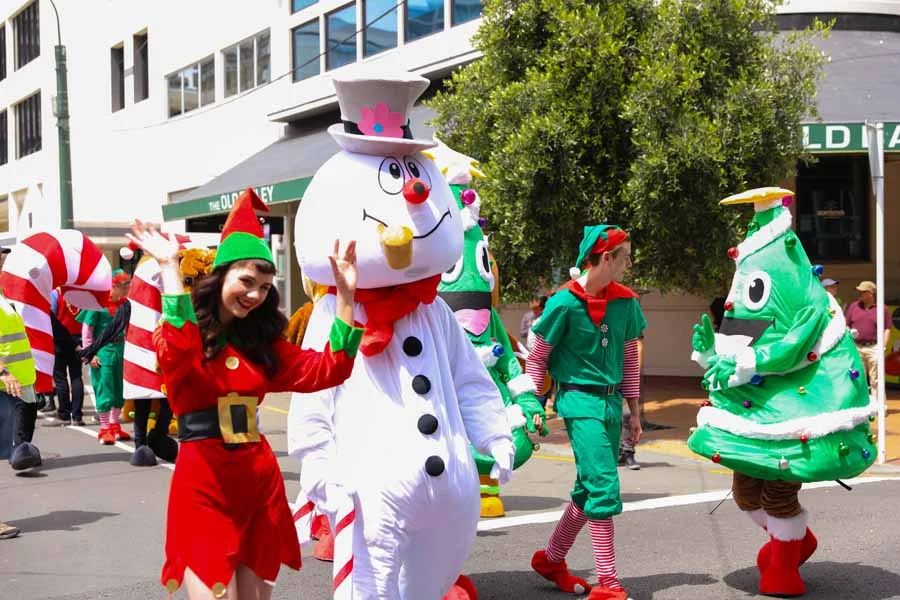
Wellington, New Zealand – The vibrant spirit of Christmas descended upon New Zealand’s capital, Wellington, over the weekend of November 25-26, 2017, with a series of celebratory events designed to usher in the festive season. The centerpiece of these festivities was the grand Santa parade, a beloved annual tradition that this year saw an unprecedented level of participation and a significant introduction of Chinese cultural elements, marking a new chapter in the city’s multicultural engagement. Nearly 200 performers graced the parade route, captivating an estimated crowd of over 20,000 enthusiastic spectators who lined Lambton Quay, the city’s main thoroughfare, to witness the spectacle. This year’s event held particular significance as it marked the inaugural participation of a delegation from the China Cultural Center in New Zealand, an organization dedicated to fostering cultural exchange and understanding between China and New Zealand. Their presence added a distinctive dimension to the traditionally Western-centric festival, showcasing the growing cultural interconnectedness of Wellington.
A Festive Weekend Unveiled
The two-day celebration, organized by the Wellington City Council, commenced on Saturday, November 25th, with a palpable sense of anticipation. While the specific details of the entire weekend’s program are not fully elaborated in the initial reports, the Santa parade on Sunday, November 26th, undoubtedly served as the zenith of the event. The parade, a cornerstone of Wellington’s Christmas calendar for years, typically features a dazzling array of floats, marching bands, community groups, and, of course, Santa Claus himself. The scale of this year’s event, with nearly 200 performers, underscores its importance as a major public gathering, drawing families and individuals from across the city and beyond. The estimated attendance of over 20,000 people highlights the parade’s enduring popularity and its role in bringing the community together during the holiday season. The economic impact of such large-scale public events on local businesses, particularly retail and hospitality sectors, is often substantial, with increased foot traffic and consumer spending during the festive period.
The Inaugural Chinese Cultural Presence
The most notable innovation of the 2017 Wellington Christmas parade was the active participation of the China Cultural Center in New Zealand. Invited by the Wellington City Government, the delegation’s inclusion was a deliberate step towards enriching the cultural tapestry of the event and celebrating the diverse community that calls Wellington home. While the specific nature of the "Chinese elements" introduced is not detailed, one can infer that it likely involved traditional Chinese performances, artistic displays, or symbolic representations of Chinese culture. This could have included dragon dances, lion dances, traditional music ensembles, or floats adorned with classic Chinese motifs and imagery. Such participation serves multiple purposes: it provides an opportunity for the wider Wellington community to experience and appreciate Chinese culture, it offers a platform for Chinese residents and visitors to connect with their heritage in a festive setting, and it reinforces Wellington’s identity as an inclusive and multicultural city. The invitation extended by the city government signals a commitment to fostering stronger diplomatic and cultural ties between New Zealand and China.
Background and Context of Cultural Exchange
The integration of Chinese elements into a Western Christmas parade is indicative of a broader trend of increasing cultural exchange and multiculturalism in New Zealand, and particularly in its capital. Wellington, as a cosmopolitan city, has long embraced diversity, and its cultural institutions play a crucial role in facilitating this. The China Cultural Center in New Zealand, established to promote Chinese culture and art, and to foster mutual understanding and friendship between China and New Zealand, has been instrumental in this regard. Its involvement in local festivals and events serves as a tangible manifestation of the growing relationship between the two countries, extending beyond economic ties to encompass people-to-people connections.
The history of Christmas parades in Wellington, while not explicitly detailed here, can be traced back to early colonial traditions, evolving over decades to become a significant community event. These parades often reflect the evolving social and cultural landscape of the city. The introduction of international cultural elements, such as those from China, represents a natural progression in this evolution, acknowledging and celebrating the contributions of diverse communities to the national identity. This move also aligns with Wellington’s strategic vision as a city that values international engagement and cultural diversity. The decision to invite the China Cultural Center suggests a conscious effort by the Wellington City Council to diversify the parade’s offerings and make it more representative of the city’s multicultural population, which has seen a steady increase in its Asian demographic over recent decades. According to Statistics New Zealand, the Asian ethnic group has been one of the fastest-growing populations in New Zealand, contributing to the nation’s rich cultural mosaic.
A Chronology of the Event
The timeline of the 2017 Wellington Christmas festivities can be reconstructed as follows:
- Pre-Event Preparations (Leading up to November 25-26, 2017): The Wellington City Council likely engaged in months of planning, coordinating with various community groups, performers, and sponsors. This would have included securing necessary permits, planning the parade route, and managing logistics. The invitation to the China Cultural Center would have been extended during this phase, allowing ample time for their delegation to prepare their participation.
- November 25, 2017: The two-day Christmas season celebration commenced in Wellington. While the specific activities of this day are not detailed, it is plausible that it included smaller community events, opening ceremonies, or preparatory activities for the main parade.
- November 26, 2017: The highlight of the weekend, the grand Santa parade, took place on Lambton Quay. This event featured nearly 200 performers, including the inaugural participation of the China Cultural Center delegation, and was witnessed by an estimated crowd of over 20,000 people.
- Post-Event Assessment and Impact (Following November 26, 2017): Following the parade, the Wellington City Council would have conducted an assessment of the event’s success, gathering feedback from participants, attendees, and stakeholders. The positive reception and the successful integration of Chinese elements would have been a key point of discussion.
Supporting Data and Attendance Figures
The attendance figure of over 20,000 people for the Santa parade is a significant indicator of its success. To put this into perspective, Wellington’s urban population is approximately 400,000. This means that the parade drew a substantial portion of the city’s residents, highlighting its importance as a community event. The participation of nearly 200 performers also suggests a well-organized and large-scale production, requiring considerable effort in terms of choreography, costume design, and logistical management. The financial investment by the Wellington City Council and potential sponsors would also be a factor in the scale of such an event, often running into tens or hundreds of thousands of New Zealand dollars. While specific budget figures are not available, the success of the event in terms of public engagement is undeniable. The economic stimulus provided by such events, through increased tourism and local spending, is also a critical consideration for city planners.
Official Responses and Inferred Reactions
While direct quotes from officials are not provided in the source material, the fact that the Wellington City Government invited the China Cultural Center speaks volumes about their intentions and likely satisfaction with the outcome. The invitation itself signifies a proactive approach to cultural diplomacy and a recognition of the value that diverse cultural contributions bring to public events. The inclusion of Chinese elements was not a spontaneous occurrence but a planned initiative, suggesting that the city government foresaw the positive impact of such a collaboration.
One can infer that representatives from the Wellington City Council would have expressed their delight at the successful integration of Chinese culture. Statements might have emphasized the importance of diversity, multiculturalism, and the strengthening of international relationships. Similarly, leaders or representatives from the China Cultural Center would likely have conveyed their gratitude for the opportunity to participate and their satisfaction with the warm reception from the Wellington community. They would have viewed this as a successful platform to showcase Chinese culture and foster goodwill.
The positive engagement from the estimated 20,000 spectators, who packed Lambton Quay, is a strong indicator of public acceptance and enthusiasm for the enriched parade. This widespread public support would have been a key success factor, validating the city council’s decision to incorporate international cultural elements.
Broader Impact and Implications
The integration of Chinese elements into the 2017 Wellington Christmas parade carries several significant implications:
- Enhanced Multiculturalism: This event serves as a powerful symbol of Wellington’s commitment to multiculturalism. By actively incorporating elements from different cultures, the city demonstrates its dedication to inclusivity and celebrating the diverse heritage of its residents. This can foster a greater sense of belonging among all community members.
- Strengthened Sino-New Zealand Relations: The collaboration between the China Cultural Center and the Wellington City Council underscores the positive trajectory of cultural relations between China and New Zealand. Such initiatives go beyond diplomatic protocols and build genuine people-to-people connections, which are crucial for long-term bilateral understanding and cooperation.
- Cultural Diplomacy in Action: This event exemplifies effective cultural diplomacy. By showcasing Chinese culture in a popular public setting, it promotes a positive image of China and its traditions to a broad audience. This can help to dispel stereotypes and foster a more nuanced understanding of Chinese society.
- Economic Benefits: Large-scale events like this can provide a significant boost to the local economy. Increased tourism, heightened consumer spending in retail and hospitality sectors, and potential opportunities for businesses involved in event management and cultural performance are all positive economic outcomes.
- Inspiration for Future Events: The success of this initiative could inspire other cities and cultural organizations in New Zealand and globally to adopt similar inclusive approaches to their public celebrations. It sets a precedent for how Western festivals can be enriched by incorporating diverse cultural perspectives, creating more vibrant and representative community experiences.
- Educational Value: For many attendees, particularly children, the parade offered an informal yet engaging educational opportunity to learn about different cultures. Exposure to Chinese traditions in a festive and accessible manner can spark curiosity and foster a lifelong appreciation for global diversity.
In conclusion, the 2017 Wellington Christmas parade, by embracing Chinese cultural elements, transcended its traditional Western framework to become a more inclusive, vibrant, and globally representative celebration. The successful participation of the China Cultural Center not only added a unique artistic flair to the festivities but also underscored Wellington’s evolving identity as a multicultural capital and strengthened the cultural ties between New Zealand and China. This initiative stands as a testament to the power of cultural exchange in fostering understanding, community cohesion, and a richer shared experience for all.

 Asep Darmawan
 Rifan Muazin