Muslim
China’s annual imports from the Yamal natural gas project in Russia’s resource-rich Arctic region are set to significantly enhance the nation’s energy security, providing a crucial and increasing supply of natural gas, particularly vital for northern China which has been grappling with severe shortages. This strategic collaboration underscores China’s proactive approach to diversifying its energy sources and mitigating domestic supply vulnerabilities, a critical endeavor highlighted by a recent surge in demand for cleaner fuels.
Addressing China’s Energy Imperative
China, the world’s largest energy consumer, has embarked on an ambitious environmental agenda aimed at reducing air pollution and transitioning away from coal-fired power generation. This "Blue Sky" campaign has led to a rapid increase in natural gas consumption, as industries and residential areas across the country, especially in the northern provinces, switch from coal to gas for heating and industrial processes. While environmentally beneficial, this swift transition has placed immense pressure on the existing gas supply infrastructure, leading to significant shortages during peak winter demand periods. The situation has prompted industrial curtailments, disruptions to heating services, and an urgent need for reliable, long-term import solutions.
In this context, the Yamal LNG project emerges as a cornerstone of China’s energy strategy. Jiang Qi, general manager of CNPC Russia, a subsidiary of China National Petroleum Corp (CNPC), emphasized the project’s substantial role in boosting China’s oil and gas reserves, ensuring a steady, long-term supply. CNPC, China’s largest oil and gas producer by annual output and a key investor in Yamal LNG, expects to receive more than 4 million metric tons of liquefied natural gas (LNG) from the project each year once it reaches full operational capacity. This volume translates to approximately 5.4 billion cubic meters of natural gas annually, representing a significant contribution to China’s overall gas supply and providing a buffer against domestic shortfalls.
The Yamal LNG Project: A Testament to International Collaboration
The Yamal LNG project, situated on the remote Yamal Peninsula in the Russian Arctic, is one of the largest and most complex industrial undertakings in the world. Led by Russia’s Novatek, the project involves the liquefaction of natural gas extracted from the South Tambey field and its subsequent shipment via specialized ice-class carriers through the Arctic Ocean. The project’s challenging location, characterized by permafrost and extreme sub-zero temperatures, necessitated innovative engineering solutions and a robust international partnership framework.
China’s involvement in Yamal LNG began in September 2013 when CNPC acquired a 20 percent stake in the then estimated $27 billion project for $5.4 billion. This early investment showcased China’s strategic foresight in securing future energy supplies and its willingness to engage in large-scale, technologically demanding international ventures. Other international partners include France’s Total, which also holds a significant stake, underscoring the global nature of this monumental energy endeavor. The project’s successful development is a testament to the collaborative efforts of multiple nations and corporations overcoming formidable logistical and environmental hurdles.
A Detailed Chronology of Development
The journey of the Yamal LNG project, from concept to full-scale operation, spans over a decade, marked by strategic agreements, massive construction efforts, and technological breakthroughs:
- Early 2000s: Initial exploration and discovery of the South Tambey gas field on the Yamal Peninsula.
- 2008: Novatek acquires a majority stake in Yamal LNG, initiating detailed feasibility studies for an Arctic LNG plant.
- 2011: France’s Total joins the project as a strategic partner, bringing crucial technological expertise and financial backing.
- September 2013: CNPC secures its 20 percent stake, solidifying China’s long-term commitment to the project and its output. This investment was a pivotal moment, providing significant capital injection and establishing a key consumer market for the future LNG.
- December 2013: The final investment decision (FID) for the Yamal LNG project is made, signaling the commencement of full-scale construction.
- Mid-2010s: Construction phases accelerate, involving modular fabrication of plant components in various shipyards globally, including a substantial portion in China, which are then transported to the Arctic site. This modular approach was critical for efficiency in the harsh environment.
- November 2017: The first liquefaction train of the Yamal LNG plant officially commences production.
- December 8, 2017: The inaugural cargo of 173,000 cubic meters of super-chilled LNG is loaded onto the ice-class tanker Christophe de Margerie from the Arctic terminal of Sabetta, marking a historic moment for the project and for Arctic shipping.
- 2018-2019: Subsequent liquefaction trains (Train 2 and Train 3) come online, progressively increasing the project’s overall production capacity towards its target of 16.5 million metric tons per annum.
- Ongoing: Continuous optimization of operations, development of the supporting logistics infrastructure, and exploration of potential expansion projects like Arctic LNG 2, which further cements Russia’s role as a major Arctic energy producer and China’s continued interest in these resources.
Economic and Industrial Synergy
The Yamal LNG project has fostered deep economic and industrial synergy between China and Russia. Beyond the direct energy supply, China’s extensive participation in the project’s construction and logistics has yielded significant economic benefits and technological advancements for Chinese enterprises.
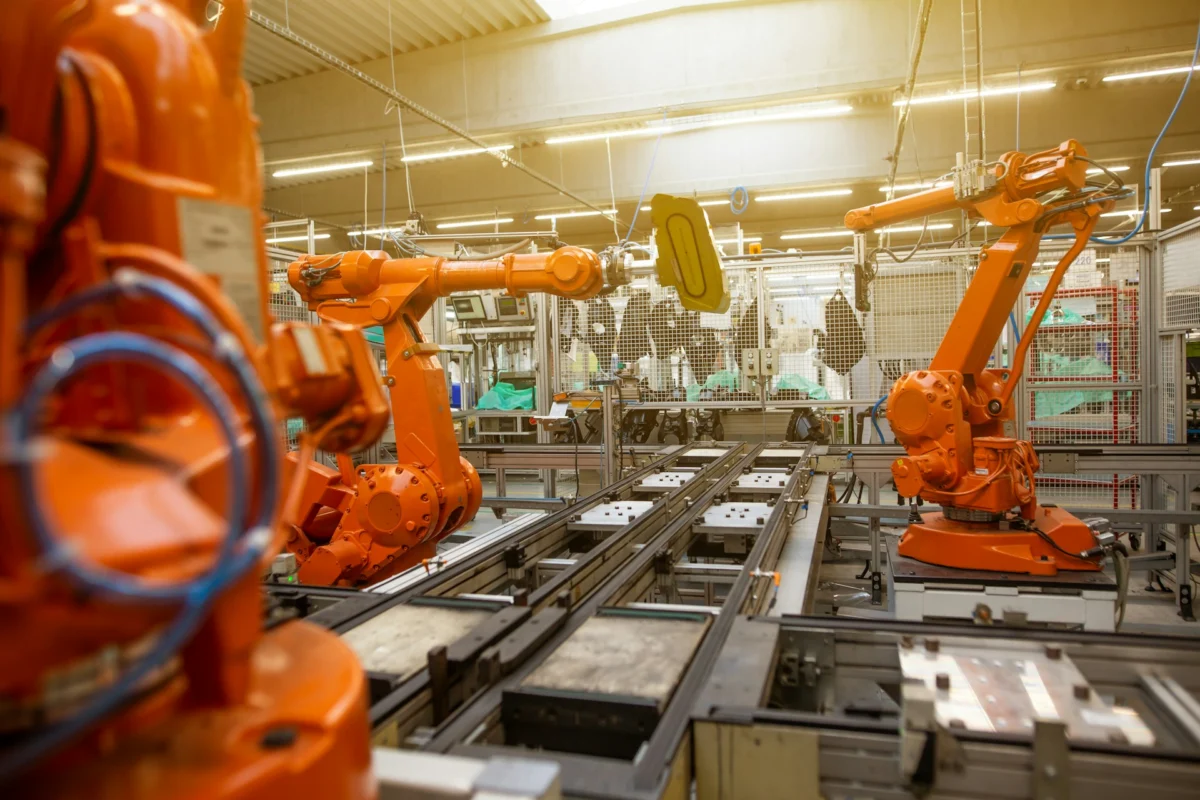
According to CNPC, Chinese enterprises were responsible for an impressive 85 percent of the project’s module construction. This involvement provided invaluable experience in designing, manufacturing, and assembling large-scale industrial modules capable of withstanding extreme Arctic conditions. The contract amount for this construction totaled a substantial $7.8 billion, injecting significant capital into China’s heavy industries and advanced manufacturing sectors.
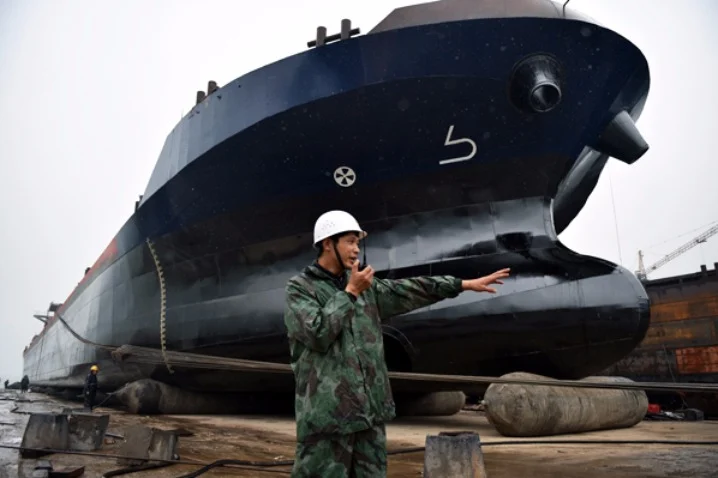
Furthermore, China’s expertise in shipbuilding has been leveraged for the project’s specialized fleet. Chinese shipyards have built seven ice-class transport vessels, demonstrating their growing capability in constructing highly specialized ships designed for Arctic navigation. Moreover, Chinese enterprises are in charge of the operation of 14 out of the 15 state-of-the-art LNG carriers that form the backbone of the Yamal export fleet. The shipping contracts alone amounted to $8.5 billion, highlighting China’s pivotal role in the entire value chain, from extraction and liquefaction to transportation. This engagement has not only secured lucrative contracts but also facilitated a significant transfer of technology and accumulation of expertise in Arctic exploration and operations for Chinese firms.
The Strategic Importance of the Northeast Passage (Northern Sea Route)
A critical long-term implication of the Yamal project extends to the development and increased utilization of the Northeast Passage, also known as the Northern Sea Route (NSR). Jiang Qi noted that the project actively promotes the development of this Arctic sea route, which directly links China and Europe. The NSR offers a considerably shorter transit time for cargo between Asia and Europe compared to traditional routes through the Suez Canal, potentially reducing journey times by 10-15 days.
While challenging due to ice conditions, the NSR is becoming increasingly viable with advanced icebreakers, specialized ice-class vessels, and the effects of climate change gradually extending the navigable season. The initial passage of 54 freight vessels mentioned in the original report signifies early exploratory and commercial voyages. As the Yamal project expands and more LNG is transported, the frequency of passages through the NSR is expected to rise dramatically. This increased traffic will not only lower freight costs between China and Europe but also cement the NSR’s status as a strategically important global trade artery, integral to China’s "Polar Silk Road" initiative – an extension of its Belt and Road Initiative into the Arctic region. This vision positions China as a key player in Arctic shipping and resource development, further solidifying its geopolitical and economic influence.
Official Responses and Broader Implications
The strong collaboration on Yamal LNG is seen by both sides as a natural fit. Jiang Qi underscored the "natural complementarities" in energy cooperation between China and Russia, citing the established long-term oil and gas cooperation framework, including the operational Sino-Russia crude oil transmission pipeline and the natural gas pipeline currently under construction. These interconnected projects form a comprehensive energy partnership designed for mutual benefit and long-term stability.
Addressing China’s immediate gas shortage, Qu Guangxue, a CNPC spokesman, confirmed the company’s commitment to diversifying supplies further. He stated that CNPC plans to continue negotiations with Central Asian nations for additional natural gas stocks to ensure adequate domestic supplies. This multi-pronged approach demonstrates China’s strategic imperative to secure energy through various channels – long-term LNG contracts, bilateral pipeline agreements, and regional partnerships – to support its economic growth and environmental objectives.
From a geopolitical perspective, the Yamal LNG project reinforces the deepening strategic partnership between China and Russia, particularly in the energy sector. Amidst evolving global political landscapes and Western sanctions against Russia, this energy alliance provides Russia with a crucial market for its vast natural resources and offers China a reliable, long-term energy supplier, reducing its reliance on more volatile maritime routes or single-source suppliers.
Economically, the project represents billions of dollars in trade, investment, and industrial cooperation, fostering job creation and technological advancement in both nations. For China, it represents a significant leap in its industrial capabilities, particularly in high-tech manufacturing, shipbuilding, and Arctic engineering, positioning it as a more self-reliant and competitive player on the global stage. Environmentally, while natural gas is a cleaner-burning fossil fuel than coal, its extraction and transport, particularly in sensitive Arctic ecosystems, present ongoing challenges that require stringent environmental monitoring and responsible practices.
In conclusion, China’s substantial engagement with the Yamal LNG project is more than just a commercial transaction; it is a strategic maneuver that addresses critical energy security concerns, fosters industrial growth, and expands China’s geopolitical reach into the Arctic. As China continues its green transition, reliable and diversified natural gas supplies from projects like Yamal will remain indispensable, solidifying the enduring energy partnership between China and Russia and reshaping global energy dynamics.

 Evan Lee Salim
 Suro Senen