Basiran
The People’s Republic of China is poised to target a Gross Domestic Product (GDP) growth rate of approximately 6.5 percent for the upcoming year, a strategic adjustment reflecting the nation’s profound shift from a model of high-speed expansion to one prioritizing high-quality development. This prospective target, reported by Securities Daily on Monday, citing Zhang Lian, a managing partner with Ruihua Certified Public Accountants, underscores a pivotal moment in China’s economic trajectory, aligning with the directives articulated during the recent 19th Communist Party of China (CPC) National Congress. The transition is set to redefine China’s domestic economic structure and its engagement with the global marketplace, emphasizing sustainability, innovation, and equitable progress over sheer quantitative growth.
The Dawn of a New Economic Era: Prioritizing Quality Over Speed
The projected 6.5 percent GDP growth target for 2018, a slight moderation from previous years’ ambitious figures, symbolizes China’s deliberate pivot. This move is not merely a numerical adjustment but a comprehensive re-evaluation of economic priorities, deeply rooted in the ideological framework established by the CPC. Zhang Lian highlighted that 2018 holds dual significance: it marks the inaugural year for the implementation of the spirit and policies enshrined at the 19th CPC National Congress and also commemorates the 40th anniversary of China’s epoch-making reform and opening-up policy. These two milestones collectively set the stage for a new chapter in China’s development narrative.
The Mandate from the 19th CPC National Congress
Held in October 2017, the 19th CPC National Congress was a landmark event that outlined China’s strategic direction for the next several decades. A central theme emerging from President Xi Jinping’s comprehensive report was the declaration that "socialism with Chinese characteristics has entered a new era." Crucially, this "new era" acknowledges a fundamental shift in the "principal contradiction facing Chinese society." Historically, this contradiction was defined as that between the ever-growing material and cultural needs of the people and backward social production. The 19th Congress redefined it as the contradiction "between unbalanced and inadequate development and the people’s ever-growing needs for a better life."
This redefinition is the theoretical bedrock for the push towards high-quality growth. It explicitly recognizes that China’s previous growth model, while lifting millions out of poverty and propelling the nation to global economic prominence, also generated significant imbalances, including environmental degradation, widening income disparities, and an over-reliance on investment and exports. The Congress therefore underscored the imperative to address these structural issues through a more balanced, coordinated, green, open, and shared development approach. This means less emphasis on raw GDP figures and more on the qualitative aspects of development, such as innovation capacity, environmental protection, and social welfare.
The Historical Significance of 2018
The year 2018 serves as a critical juncture. As the first year to fully implement the vision of the 19th CPC National Congress, it will see the practical rollout of policies designed to foster high-quality growth. Simultaneously, the 40th anniversary of reform and opening-up offers a moment for profound reflection. Initiated in 1978 under Deng Xiaoping, this policy transformed China from an isolated, centrally planned economy into the world’s second-largest economy and a major global trading power. The anniversary provides an opportunity to evaluate the successes and challenges of the past four decades and to chart a course for continued prosperity that is sustainable and inclusive. The confluence of these two events amplifies the significance of the economic policy adjustments being discussed.
Decoding "High-Quality Growth": A Multifaceted Transformation
The concept of "high-quality growth" is far more nuanced than a mere reduction in the GDP target. It represents a holistic overhaul of China’s economic philosophy and operational mechanisms. Li Jin, a researcher with the SOEs Reform and Development Center at Renmin University of China, succinctly captured its essence, stating, "High-quality growth involves answering how to develop and the state of the development." This implies a focus not just on output, but on the efficiency, sustainability, and equity of the developmental process itself.
Shifting Away from Investment-Driven Models
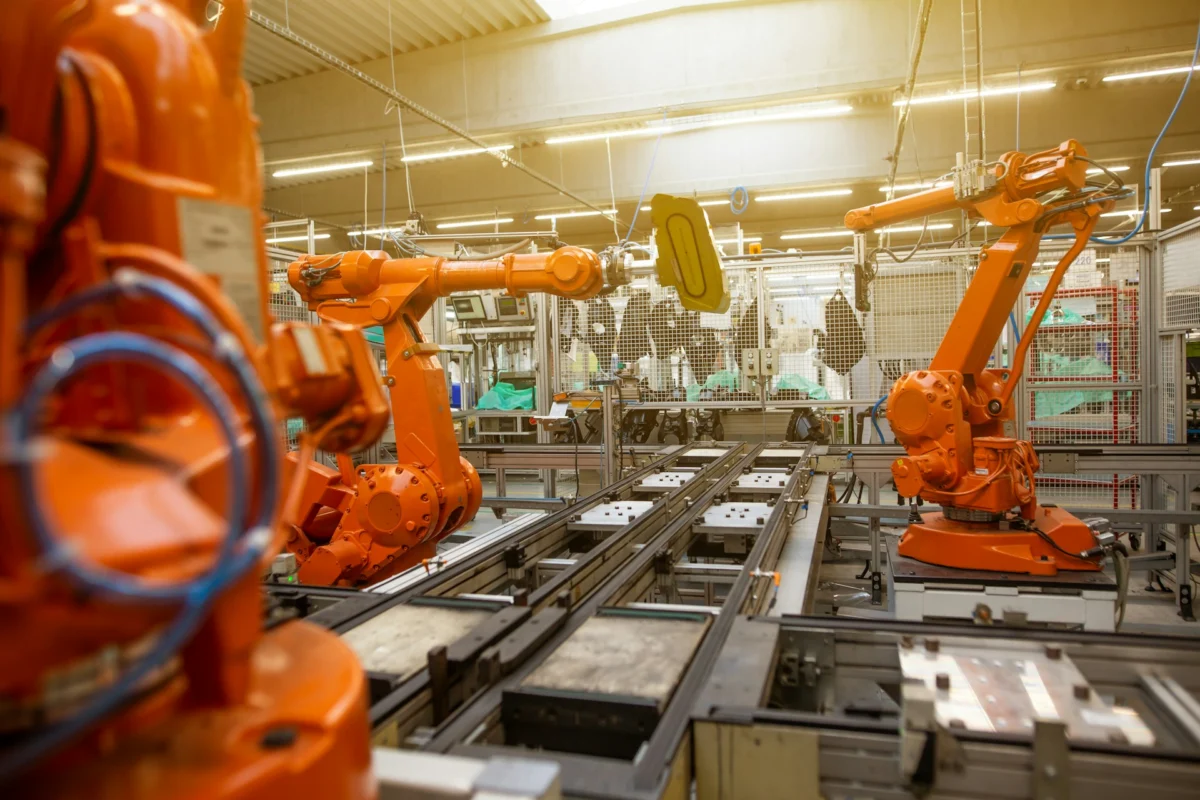
For decades, China’s economic engine was fueled by massive fixed-asset investment and export-led manufacturing. While highly effective in its initial phases, this model led to industrial overcapacity in sectors like steel and cement, accumulating local government debt, and a significant environmental cost. The shift to high-quality growth explicitly rejects a return to this investment-driven paradigm. Jiang Chao, chief economist with Haitong Securities, affirmed this, stating that "high-speed growth will not be a goal anymore and the target for economic growth rate in 2018 will still be downplayed and the country will not go back to investment-driven growth." This commitment signals a sustained push for supply-side structural reform, which aims to reduce inefficient capacity, lower corporate costs, deleverage the financial system, and strengthen areas of weakness in the economy.
Innovation, Environment, and Social Equity
The pillars of high-quality growth are fundamentally built upon innovation, environmental sustainability, and enhanced social equity.
- Innovation: China aims to move up the global value chain by fostering indigenous innovation, investing heavily in research and development (R&D), and promoting emerging industries such as artificial intelligence, big data, new energy vehicles, and biotechnology. The goal is to transition from being the "world’s factory" to the "world’s laboratory" and a leader in advanced manufacturing and digital technologies. This requires a robust intellectual property rights framework and an ecosystem that encourages entrepreneurship and technological breakthroughs.
- Environmental Protection: Recognizing the severe ecological damage wrought by rapid industrialization, environmental protection has become a top priority. High-quality growth mandates stricter environmental regulations, significant investment in green technologies, and a shift towards a low-carbon economy. This includes efforts to combat air and water pollution, restore degraded ecosystems, and promote sustainable urbanization. The "Beautiful China" initiative is a tangible expression of this commitment.
- Social Equity: Addressing the widening wealth gap and ensuring a more equitable distribution of development benefits are crucial components. This involves strengthening social safety nets, improving public services (healthcare, education), reducing regional disparities through targeted development policies, and continuing the fight against poverty. The aim is to create a more harmonious society where the benefits of economic progress are shared more broadly among the populace.
Economic Projections and Policy Frameworks for the Coming Year
The anticipated 6.5 percent GDP target reflects a pragmatic assessment of China’s economic landscape. While still robust, it acknowledges the challenges inherent in structural transformation. The government’s guiding principle for the coming year will remain "making progress while ensuring stability" (稳中求进 – wěnzhōngqiújìn), a mantra that has underpinned macroeconomic management for several years. This approach emphasizes steady, gradual reform while maintaining overall economic and social stability. Zhang Lian reiterated that progress in quality, efficiency, and growth engines will be actively promoted by the government.

The Crucial Role of the Central Economic Work Conference
The specific GDP target and detailed policy directives for 2018 would typically be finalized at the annual Central Economic Work Conference, usually held in December. This high-level meeting brings together top Party and government officials to review the past year’s economic performance and set the economic agenda for the upcoming year. It is at this conference that the precise numerical targets, alongside broad policy orientations, are determined. Li Jin’s prediction that "high-quality growth will be a key word in this year’s central economic work conference" highlights the ideological weight and operational significance this concept will carry in shaping future policy decisions. The conference’s pronouncements are keenly awaited by domestic and international observers alike for insights into China’s economic direction.
Historical Context and the "New Normal"
China’s economic journey since 1978 has been characterized by phenomenal growth, often in double digits, averaging close to 10% annually for three decades. This era saw China’s GDP leap from less than $150 billion in 1978 to over $12 trillion by 2017. The sheer scale of this transformation lifted hundreds of millions out of poverty and profoundly reshaped the global economic order. However, by the early 2010s, signs of strain became increasingly evident. The global financial crisis of 2008-09 temporarily masked some underlying issues, as China responded with a massive stimulus package that, while averting a severe downturn, exacerbated problems like overcapacity and local government debt.
Navigating Past Challenges: Debt, Overcapacity, and Pollution
The recognition of these accumulated challenges led to the articulation of the "new normal" in 2014, signaling a deliberate slowdown in growth rates to a more sustainable pace. This period saw GDP growth rates gradually decelerate from above 9% to the 6.5-7% range. The current shift to high-quality growth is a natural evolution of the "new normal" concept, deepening its focus on the structural issues.
- Debt: China’s total debt-to-GDP ratio, particularly corporate and local government debt, grew significantly, raising concerns about financial stability. Deleveraging became a key policy objective.
- Overcapacity: Industries like steel, cement, coal, and shipbuilding faced massive overcapacity due to excessive investment, leading to depressed prices, low profitability, and environmental strain. Supply-side reforms aimed to cut this excess capacity.
- Pollution: The rapid industrialization came at a heavy environmental cost, with severe air pollution in major cities, water contamination, and soil degradation becoming pressing public health and ecological concerns.
The pivot towards high-quality growth directly addresses these legacies, aiming for a more balanced and sustainable development path that mitigates risks and enhances long-term resilience.
Expert Perspectives and Market Reactions
The pronouncements from Zhang Lian and Li Jin are indicative of a broader consensus among Chinese economists and policymakers regarding the necessity and direction of this economic reorientation. While a 6.5% target might seem modest compared to historical figures, it is widely considered a prudent and achievable rate that allows for necessary structural adjustments without triggering undue social or financial instability.
Views from Domestic and International Analysts
Many domestic economists have long advocated for a shift away from GDP obsession, arguing that it led to distorted incentives and an unsustainable development model. The explicit embrace of "high-quality growth" by the Party signals a strong political commitment to these reforms. Internationally, bodies like the International Monetary Fund (IMF) and the World Bank have generally welcomed China’s rebalancing efforts, viewing them as crucial for the country’s long-term stability and for contributing to a more sustainable global economy. However, they also caution about the complexities of implementation, particularly the potential for regional resistance to lower growth targets and the challenges of managing unemployment during industrial restructuring. Foreign businesses operating in China are also keenly observing these shifts, anticipating new opportunities in sectors aligned with innovation and green development, while also navigating potential changes in regulatory environments and market dynamics.
Implications for China and the Global Economy
The transition to high-quality growth carries profound implications, both within China and for its role on the global stage.
Domestic Economic Restructuring and Social Development
Domestically, the shift will accelerate industrial upgrading, favoring high-tech and service sectors over traditional heavy industries. This will necessitate significant investment in human capital, vocational training, and R&D. Regions historically reliant on resource-intensive industries will need to diversify their economies, potentially leading to social challenges related to job displacement and economic transition. However, it also promises improved living standards through cleaner environments, better public services, and a more robust social safety net. The emphasis on balanced development aims to reduce the urban-rural divide and regional disparities, fostering a more inclusive society.
Global Repercussions and China’s Evolving Role
Globally, China’s reorientation will have far-reaching effects. A less investment-driven China might mean reduced demand for raw materials and commodities from exporting nations, impacting global commodity markets. Conversely, a more innovation-driven and consumption-oriented China will present new opportunities for global technology companies, consumer brands, and service providers. China’s increased focus on environmental sustainability could drive global efforts in climate change mitigation and green technology development. Furthermore, as China moves towards higher value-added production, its trade relations with other countries will evolve, potentially leading to new forms of competition and cooperation. Initiatives like the Belt and Road Initiative, while still promoting infrastructure development, will likely integrate the principles of high-quality and sustainable development more explicitly.
The Path Ahead: Sustained Reform and Strategic Vision
The projected 6.5 percent GDP target and the overarching commitment to high-quality growth represent a mature phase in China’s economic evolution. It signifies a strategic vision that prioritizes long-term resilience, innovation, environmental stewardship, and social equity over the pursuit of sheer growth figures. The successful implementation of this ambitious agenda will require sustained political will, deep structural reforms, and adept macroeconomic management. As China embarks on this "new era," the world will closely watch how the nation navigates the complexities of transforming its economic model, demonstrating its capacity not just for rapid growth, but for sustainable and inclusive development. The decisions made in the coming year, particularly at the Central Economic Work Conference, will be instrumental in setting the tone and direction for China’s economic future for decades to come.


 Evan Lee Salim
 Suro Senen