Jia Lissa
Driven by the robust growth outlook for both automotive and chemical production in China, German chemical giant BASF SE is significantly escalating its investment footprint within the nation. This strategic intensification of capital deployment is underscored by the recent operational launch of two pivotal facilities in Shanghai: a world-class chemical catalyst manufacturing plant and a 140 million euros automotive coatings facility. These developments signal BASF’s unwavering commitment to solidifying its market leadership and catering to the escalating demands of the Asia-Pacific region.
Strategic Expansion in Automotive Coatings for a Dominant Market
Late last month, BASF celebrated the commencement of production at its 140 million euros automotive coatings facility in Shanghai. This state-of-the-art plant represents a significant expansion of the company’s existing 50 million euros automotive coatings plant, a joint venture established with Shanghai Huayi Fine Chemical. The investment is strategically poised to enhance BASF’s local production capabilities, thereby improving its responsiveness and service quality for the burgeoning automotive markets in China and across the broader Asia-Pacific region.
The new facility is engineered to produce a comprehensive range of automotive coatings, including thinners, primers, clear coats, and advanced waterborne base coats. The emphasis on waterborne technologies reflects a global trend towards more environmentally sustainable coating solutions, aligning with stricter environmental regulations and consumer preferences for greener manufacturing processes. These products are critical components in automotive manufacturing, contributing not only to the aesthetic appeal but also to the durability, corrosion resistance, and overall longevity of vehicles.
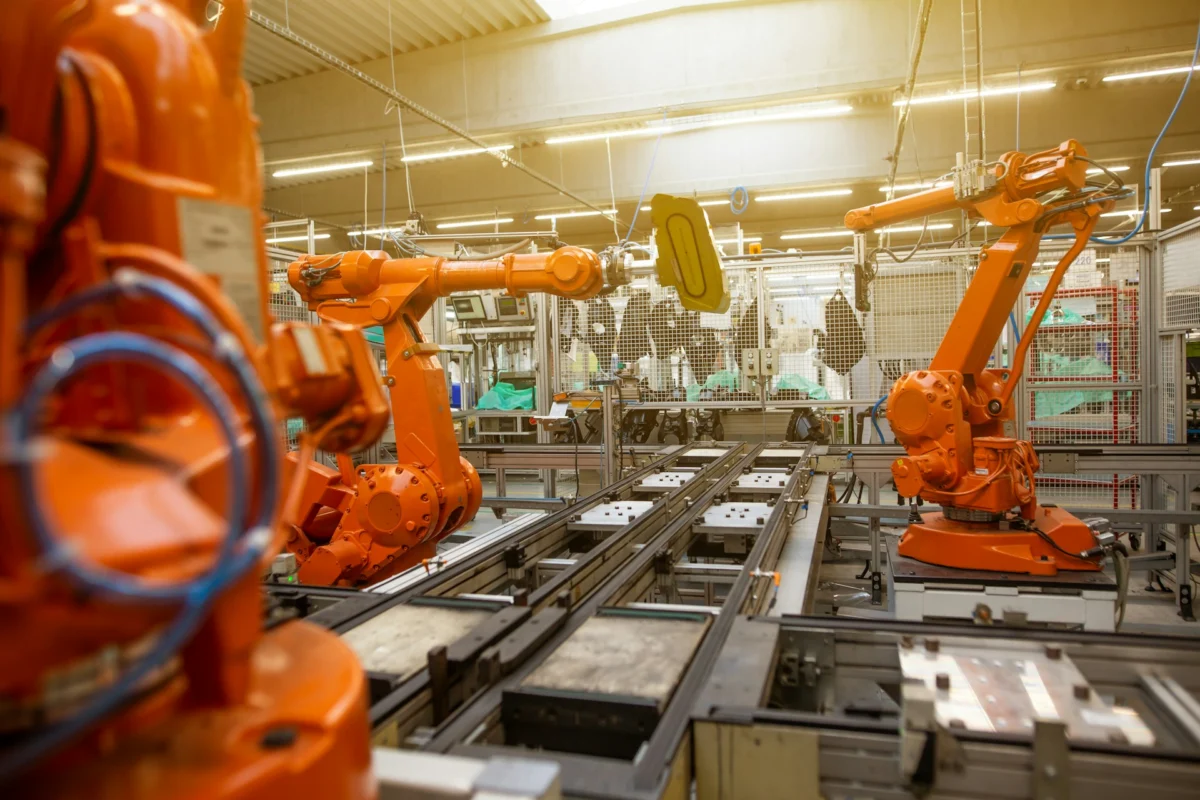
Further bolstering its commitment to innovation, the new coatings plant will be seamlessly integrated with a new automotive application center. Slated to be operational by the end of 2018, this center will provide automotive manufacturers with unparalleled access to advanced research and development (R&D) facilities, notably including a sophisticated 3-D robot for precise coatings application. This innovative hub will be housed at the BASF Innovation Campus Asia Pacific (Shanghai), fostering collaborative development and accelerating the introduction of next-generation coating technologies tailored for regional needs.
The rationale behind such a substantial investment is rooted in the unparalleled growth of the Chinese automotive market. In 2016, China manufactured an astonishing 28.12 million vehicles and sold 28.03 million cars, marking increases of 14.5 percent and 13.7 percent, respectively, over the previous year. This performance cemented China’s position as the world’s largest automobile market for the eighth consecutive year, according to data from the China Association of Automobile Manufacturers. This sustained expansion creates immense demand for high-quality automotive coatings and related materials.
Globally, the Asia-Pacific region underscores its critical importance to the automotive industry. In 2016, the region produced 48.6 million light vehicle units, accounting for a staggering 52 percent of global production. This regional dominance, with China at its epicenter, makes it an indispensable market for automotive suppliers like BASF. Dirk Bremm, president of BASF’s coatings division, articulated this strategic imperative, stating, "The global automotive market is expected to continue to grow significantly, with China as the biggest driver. The inauguration of this new plant in Shanghai will help us to support the growth of our customers and take an active role in developing the Chinese automotive market." This statement highlights BASF’s proactive approach to capitalizing on market dynamics and fostering deeper relationships with its automotive sector clientele.
Pioneering Chemical Catalyst Production in Asia-Pacific
Parallel to its automotive coatings expansion, BASF also launched its first chemical catalyst manufacturing facility in the Asia-Pacific region on November 30. This new plant, wholly owned by BASF and also located in Shanghai, represents a significant milestone for the company’s process catalysts business. The facility is designed to serve the rapidly expanding chemical industry in China and throughout the broader Asia-Pacific region, specializing in the production of base metal catalysts and absorbents.
Catalysts are indispensable components in the chemical industry, facilitating countless industrial processes by accelerating chemical reactions, improving yields, and reducing energy consumption. They are critical for the production of a vast array of chemicals, including plastics, fertilizers, and fuels, all of which are experiencing surging demand in developing economies. The strategic placement of this plant in Shanghai, a major chemical industry hub, allows BASF to efficiently meet this demand.
Detlef Ruff, BASF’s senior vice-president for process catalysts, underscored the significance of this investment, stating, "The start of our new, world-scale production plant for chemical catalysts in Shanghai represents a milestone for our process catalysts business." He further elaborated on the region’s importance, projecting that "Sixty percent of the world’s chemical production will happen in Asia by 2020, with more than half in China." This forecast highlights the immense concentration of chemical manufacturing in the region, making a localized production base crucial for competitive advantage.
According to Ruff, establishing local production capabilities will profoundly strengthen BASF’s relationships with customers in the Asian chemical industry. It is expected to enhance the customer experience through improved product availability, significantly shortened lead times, and greater responsiveness to regional market specificities. This localized approach, in combination with the BASF Innovation Campus Asia Pacific in Shanghai, will enable the company to offer customers regionally specific development and production of the latest catalyst technologies. The plant’s design also incorporates potential for additional expansion and inherent flexibility, allowing it to adapt swiftly to new customer production requirements in the coming years.
BASF’s Enduring Commitment and Alignment with China’s Industrial Vision
BASF’s recent dual investments are not isolated events but rather integral parts of a long-term, comprehensive strategy for growth in China. Stephan Kothrade, president functions Asia-Pacific, president and chairman Greater China for BASF, emphasized the scale of this commitment: "Together with our partners, BASF has invested 19.7 billion yuan as of the end of 2016 in state-of-the-art production located in Caojing of Shanghai." This substantial capital outlay underscores the company’s deep roots and strategic vision for the Chinese market.
Kothrade further highlighted how BASF’s localized production directly supports the development and modernization of Chinese industry. He noted that BASF’s solutions are designed to improve efficiency and sustainability across the chemical and other key industries. Critically, these investments also contribute to reducing reliance on imports, thereby enhancing the competitiveness of BASF’s customers within the framework of China’s broader "supply-side reform."
China’s supply-side reform, a key economic policy initiative, aims to restructure the nation’s economy by managing market capacities, optimizing resource allocation, and, crucially, boosting innovation. By providing advanced materials and technologies locally, BASF aligns perfectly with these national objectives, fostering a more self-reliant and technologically advanced industrial base for China. This strategic alignment makes BASF a valued partner in China’s ongoing economic transformation.
Macroeconomic Context and Broader Implications
BASF’s significant investments in Shanghai reflect broader macroeconomic trends and the strategic importance of China as a global manufacturing powerhouse and an increasingly sophisticated consumer market. China has consistently attracted substantial Foreign Direct Investment (FDI) due to its vast market size, robust industrial infrastructure, skilled workforce, and supportive industrial policies. While global FDI patterns can fluctuate, strategic sectors like advanced chemicals and automotive components remain attractive for multinational corporations seeking to capitalize on domestic demand and regional export opportunities.
These investments by a global leader like BASF have several important implications. Economically, they contribute to local job creation, both directly within the new facilities and indirectly through the supply chain. They also stimulate technological transfer, as advanced manufacturing processes and R&D capabilities are brought to China. For the local chemical and automotive industries, the presence of state-of-the-art production facilities means improved access to high-quality, locally produced materials, which can reduce logistics costs and lead times, ultimately enhancing the competitiveness of Chinese manufacturers.
From a competitive standpoint, BASF’s expanded presence solidifies its position against other global chemical giants and emerging local competitors in China. By investing in innovative products like waterborne coatings and specialized catalysts, BASF is not merely expanding capacity but also enhancing its technological leadership in critical segments. This proactive approach ensures that the company remains at the forefront of industry advancements, particularly in areas like sustainability and high-performance materials.
Furthermore, these investments underscore the global shift in manufacturing and R&D towards Asia, particularly China. As Asian economies continue to grow and mature, they increasingly become centers of innovation and production, rather than just markets for finished goods. BASF’s Innovation Campus Asia Pacific is a testament to this trend, serving as a regional hub for research and development tailored to the unique needs and challenges of the Asian market.
Timeline and BASF’s Historical Footprint in China
BASF’s engagement with China spans decades, evolving from trade relations in the late 19th century to establishing a significant local manufacturing and R&D presence in the modern era. The company’s journey in China has been characterized by a gradual but consistent expansion, often through joint ventures that leverage local expertise and market access.
Key milestones include the establishment of its first joint venture in China in the early 1980s, followed by substantial investments in integrated chemical production sites, notably in Nanjing and Chongqing, throughout the 1990s and 2000s. The inauguration of the BASF Innovation Campus Asia Pacific in Shanghai further cemented its commitment to localized research and development. The 50 million euro automotive coatings plant, a joint venture with Shanghai Huayi Fine Chemical, which the current 140 million euro expansion builds upon, has been a foundational part of its automotive sector strategy.
The recent announcements of the world-class chemical catalyst manufacturing plant and the expanded automotive coatings facility in late 2017 are the latest chapters in this long-term strategy. These investments represent a significant scaling up of its wholly-owned operations and advanced manufacturing capabilities, indicating a deeper integration into China’s industrial fabric.
Future Outlook and Strategic Vision
Looking ahead, the outlook for both the automotive and chemical sectors in China remains positive, albeit with evolving dynamics. The push towards electric vehicles, autonomous driving, and advanced materials will continue to drive demand for innovative chemical solutions, including specialized coatings, battery materials, and performance additives. Similarly, the chemical industry will continue to grow, fueled by downstream demand from construction, electronics, agriculture, and consumer goods.
BASF’s strategic investments in Shanghai position the company strongly to navigate these evolving landscapes. By focusing on advanced technologies and localized production, BASF aims to be a preferred partner for Chinese industries seeking to upgrade their capabilities and meet global standards for efficiency and sustainability. While challenges such as increasing local competition, intellectual property protection, and evolving regulatory environments persist, BASF’s long-standing commitment and adaptive strategy in China suggest a continued trajectory of growth and integration within one of the world’s most dynamic markets. The company’s dual expansion in Shanghai is a clear declaration of its intent to play an active and leading role in the future of Chinese and Asian industrial development.

 Evan Lee Salim
 Suro Senen