 Nila Kartika Wati
The director of the State Council’s Taiwan Affairs Office (TAO) recently held a pivotal meeting with a delegation from Taiwan’s New Party, underscoring Beijing’s unwavering commitment to the peaceful development of cross-Straits relations and the steadfast recognition of the 1992 Consensus. This high-level engagement, occurring shortly after the 19th National Congress of the Communist Party of China (CPC), served as a crucial platform for mainland officials to reiterate their policy framework for addressing the issue of Taiwan, particularly in light of ongoing challenges posed by the Democratic Progressive Party (DPP) administration in Taipei.
Background and Context of Cross-Straits Relations
Cross-Straits relations, referring to the complex and often delicate ties between mainland China and Taiwan, are fundamentally shaped by historical legacies and competing political narratives. The People’s Republic of China (PRC) views Taiwan as an integral part of its territory, a province awaiting reunification, while the Republic of China (ROC) government in Taiwan asserts its own sovereignty. This fundamental divergence forms the bedrock of diplomatic and political interactions.
At the heart of Beijing’s policy toward Taiwan lies the "one-China principle," a political cornerstone asserting that there is only one sovereign state under the name China, and Taiwan is part of it. A critical articulation of this principle in cross-Straits dialogue is the "1992 Consensus," an understanding reached between representatives of the Chinese Communist Party and Taiwan’s then-ruling Kuomintang (KMT) in 1992. This consensus, often summarized as "one China, different interpretations," acknowledges that both sides of the Taiwan Strait belong to one China, while allowing each side to orally state its own interpretation of what "China" means. For Beijing, the 1992 Consensus is the political foundation for cross-Straits dialogue and peaceful development, embodying the one-China principle.
The New Party, established in 1993 by a group of KMT members, has consistently advocated for eventual reunification with mainland China under the "one-China principle" and the 1992 Consensus. Its political platform strongly opposes "Taiwan independence" and promotes closer cultural, economic, and political ties across the Strait. This ideological alignment makes the New Party a natural interlocutor for Beijing, especially when official communication channels with the ruling DPP are suspended.
The political landscape in Taiwan shifted significantly with the election of the Democratic Progressive Party (DPP) to power. The DPP, historically advocating for Taiwan’s independent sovereignty, has refused to explicitly recognize the 1992 Consensus, leading to a profound cooling of official cross-Straits relations since 2016. This refusal has resulted in the suspension of formal communication mechanisms between the TAO and Taiwan’s Mainland Affairs Council (MAC), creating a vacuum that Beijing often seeks to fill through engagements with pro-unification parties and civil society groups in Taiwan.
The 19th CPC National Congress and Taiwan Policy
The meeting with the New Party delegation took place in the immediate aftermath of the 19th National Congress of the Communist Party of China, held in October 2017. This quinquennial event is a critical moment for charting China’s domestic and foreign policy directions for the next five years and beyond. General Secretary Xi Jinping’s report to the Congress notably dedicated a significant section to Taiwan, reaffirming Beijing’s core principles and setting the tone for future cross-Straits engagement.
Key messages from the 19th CPC National Congress report concerning Taiwan included:
- Adherence to the one-China principle and the 1992 Consensus: Reaffirming these as the political foundation for cross-Straits relations.
- Opposing "Taiwan independence" in all its forms: Emphasizing Beijing’s resolute stance against any attempts to separate Taiwan from China, warning that "any attempt to seek independence will be met with resolute opposition."
- Promoting peaceful development and integrated development: Stressing the benefits of closer economic and social integration, and promising to share development opportunities with Taiwan compatriots.
- Safeguarding national sovereignty and territorial integrity: A non-negotiable bottom line for Beijing.
The timing of the New Party delegation’s visit was therefore strategically significant, allowing Zhang Zhijun to directly reference and elaborate upon these recently articulated principles, signaling Beijing’s consistent and firm approach to Taiwan affairs in the new political cycle.
The High-Level Meeting: Details and Statements
On Monday, the director of the State Council’s Taiwan Affairs Office, Zhang Zhijun, met with the New Party delegation, led by its chairman, Yok Mu-ming, in Beijing. The primary objective, as stated by Zhang, was to promote the peaceful development of cross-Straits relations.
During the meeting, Zhang Zhijun commended the New Party for its consistent efforts in advancing peaceful cross-Straits development and its explicit recognition of the 1992 Consensus, which he underscored as embodying the immutable one-China principle. Zhang highlighted the visit’s particular importance following the 19th CPC National Congress, using the opportunity to reiterate the mainland’s policy towards Taiwan as articulated in General Secretary Xi Jinping’s report.
Zhang did not shy away from addressing the current challenges in cross-Straits relations, directly attributing them to the ruling Democratic Progressive Party in Taiwan. He stated that the DPP’s refusal to recognize the one-China principle has led to a suspension of official communications between the mainland and the island. Furthermore, Zhang expressed strong concerns over what he termed the DPP’s "de-Sinofication" efforts on the island, which he described as attempts to sever cultural, educational, and social ties between the mainland and Taiwan. He unequivocally declared that "Taiwan independence" remains the most significant obstacle to the peaceful development of cross-Straits relations, implying that such aspirations are incompatible with the goal of peaceful reunification.
Yok Mu-ming, chairman of the New Party, characterized their visit as an "innovative trip," signaling a fresh approach to cross-Straits engagement from his party’s perspective. He reciprocated by citing General Secretary Xi Jinping’s report from the 19th CPC National Congress, specifically noting the mainland’s respect for Taiwan’s current system and way of life. Yok also acknowledged the mainland’s readiness to share its vast development opportunities with Taiwan compatriots, a key tenet of Beijing’s outreach strategy.
Speaking from his perspective as a "Chinese person from Taiwan," Yok Mu-ming affirmed his understanding of the mainland’s development status quo and future direction, gleaned from studying the Congress report. He lamented what he perceived as a detrimental focus within Taiwan on internal political conflicts in recent years, contrasting it sharply with the mainland’s relentless pursuit of growth and development. This sentiment, he added, has led some people in Taiwan to place their hopes and aspirations in the mainland’s trajectory.
The meeting also touched upon practical measures aimed at fostering closer ties. Zhang Zhijun elaborated on the mainland’s issuance of a series of favorable policies designed to facilitate Taiwan residents’ ability to study, work, and live on the mainland. These policies, which have been progressively introduced and expanded, aim to provide Taiwan compatriots with opportunities comparable to those enjoyed by mainland citizens, encompassing areas such as employment, entrepreneurship, education, healthcare, and social welfare. Examples include residency permits that grant access to public services, scholarships for students, and incentives for business ventures.
Reaffirming his party’s core principles, Yok Mu-ming stated, "As a party, we are against ‘Taiwan independence’, promoting peaceful development and realizing the rejuvenation of the Chinese nation." This statement encapsulates the New Party’s consistent ideological stance and its alignment with Beijing’s overarching objectives for cross-Straits relations. Liu Jieyi, then Deputy Director of the Taiwan Affairs Office, also attended the significant meeting, underscoring its importance.
Chronology and Delegation Itinerary
The New Party delegation’s visit to the mainland was an extensive eight-day affair, commencing on a Monday and concluding on the following Saturday. This extended duration allowed for a comprehensive schedule beyond the initial high-level meeting. According to An Fengshan, spokesperson for the State Council Taiwan Affairs Office, the overarching aims of the visit were to promote the peaceful development of cross-Straits relations, advance the process toward the peaceful reunification of China, and contribute to the great rejuvenation of the Chinese nation.
While specific itinerary details were not fully disclosed in the original report, an eight-day visit by a political delegation of this nature typically involves a range of activities designed to foster deeper understanding and cooperation. These often include:
- Meetings with other government officials and think tanks: Engaging with experts on Taiwan affairs, economic planning, and cultural development.
- Visits to economic zones and industrial parks: Exploring opportunities for Taiwan businesses and professionals, particularly in high-tech and emerging industries.
- Cultural and educational exchanges: Engaging with universities, cultural institutions, and historical sites to underscore shared heritage.
- Discussions with Taiwan compatriots living on the mainland: Gathering feedback and demonstrating the benefits of mainland policies.
- Public forums or seminars: Presenting the New Party’s vision for cross-Straits relations to mainland audiences and engaging in dialogue.
Such a comprehensive schedule is designed to not only facilitate high-level political dialogue but also to showcase the mainland’s development, its inclusive policies for Taiwan residents, and its commitment to peaceful integration.
Statements and Reactions from Related Parties
The meeting and the New Party’s visit elicited predictable responses from various stakeholders, reflecting the entrenched positions in cross-Straits politics.
The State Council Taiwan Affairs Office (TAO), through its spokesperson An Fengshan, consistently reiterated the visit’s objectives as promoting peaceful development and advancing the process toward peaceful reunification and the "great rejuvenation of the Chinese nation." This narrative reinforces Beijing’s long-term strategic goals and its preference for engaging with parties that share its fundamental principles.
In Taiwan, the Democratic Progressive Party (DPP) administration likely viewed such a meeting with skepticism, if not outright disapproval. Consistent with their established position, the DPP government would likely interpret the meeting as Beijing’s attempt to bypass the democratically elected government in Taipei and engage directly with opposition parties that align with Beijing’s "one-China" framework. They would likely reiterate that only Taiwan’s government can represent its people and that cross-Straits dialogue should occur on a government-to-government basis, without preconditions that compromise Taiwan’s sovereignty. The DPP has consistently rejected the 1992 Consensus as a prerequisite for dialogue, advocating for a more "democratic and peaceful" engagement model. They might also dismiss the New Party as a fringe political entity with limited popular support in Taiwan, thus diminishing the significance of its engagement with Beijing.
The Kuomintang (KMT), Taiwan’s main opposition party and historically a proponent of the 1992 Consensus, might offer a more nuanced response. While the KMT also seeks stable cross-Straits relations, it often emphasizes the need for mutual respect and dignity. They might welcome dialogue as a means to reduce tensions but would also likely assert Taiwan’s democratic values and existing way of life. The KMT’s position often attempts to strike a balance between maintaining dialogue with Beijing and safeguarding Taiwan’s autonomy.
Public opinion in Taiwan is diverse, reflecting a wide spectrum of views on cross-Straits relations. While a significant portion of the population desires to maintain the status quo and many are wary of closer political ties with Beijing, there is also a segment, though smaller, that supports eventual reunification. The New Party’s views resonate with this pro-unification segment, but its overall electoral support is limited. Reports of such meetings often stir debate within Taiwan, with some citizens seeing them as necessary for peace and economic benefit, while others view them as compromising Taiwan’s sovereignty and democratic values.
Broader Impact and Implications
This meeting between the TAO and the New Party carries significant implications for the trajectory of cross-Straits relations, particularly in the context of the DPP’s continued rule and Beijing’s resolute stance post-19th CPC National Congress.
Mainland’s Strategy: The engagement exemplifies Beijing’s multi-pronged strategy toward Taiwan. When official channels with the ruling DPP are suspended, the mainland intensifies its "people-to-people" and "party-to-party" diplomacy. By engaging with pro-unification parties like the New Party, Beijing aims to:
- Reiterate its core principles: Consistently communicate the "one-China principle" and the 1992 Consensus as non-negotiable foundations for dialogue.
- Bypass the ruling government: Create alternative channels of communication and influence in Taiwan, potentially fostering divisions within the island’s political landscape.
- Showcase benefits of integration: Promote the economic and social opportunities available on the mainland to Taiwan residents, aiming to draw them closer through practical incentives.
- Isolate the DPP: Highlight the DPP’s "refusal" to engage on Beijing’s terms as the source of cross-Straits tensions, thereby shifting responsibility.
Significance of the New Party: While the New Party is a smaller political force in Taiwan, its consistent and unequivocal pro-unification stance makes it a valuable partner for Beijing. Its leaders provide a platform for Beijing to communicate its messages directly to a segment of the Taiwan population and to demonstrate that dialogue is possible when the "one-China principle" is acknowledged. This engagement also serves to legitimize and amplify the voices of those within Taiwan who advocate for closer ties and eventual reunification.
Future of Cross-Straits Relations: The meeting underscores the persistent impasse in official cross-Straits relations as long as the DPP remains in power and refuses to acknowledge the 1992 Consensus. Beijing’s firm reiteration of its red lines, particularly against "Taiwan independence," indicates a continued policy of pressure combined with incentives for integration. The mainland’s focus on "integrated development" and "sharing opportunities" suggests a long-term strategy to deepen economic and social interdependence, making eventual political reunification appear more natural or beneficial. This approach aims to exert a "pull factor" through economic gravity while maintaining a "push factor" against independence.
Economic Integration: The emphasis on favorable policies for Taiwan residents to study, work, and live on the mainland is a crucial element of Beijing’s strategy. By offering comparable treatment and opportunities, China seeks to attract Taiwan’s talent and capital, further binding the economies and societies. Cross-Straits trade figures consistently show mainland China as Taiwan’s largest trading partner, with bilateral trade often exceeding hundreds of billions of U.S. dollars annually. Taiwan businesses have invested significantly in the mainland, and hundreds of thousands of Taiwan residents have sought educational and career opportunities there. These economic ties serve as both a foundation for cooperation and a leverage point in political discourse.
Regional Stability: The ongoing tensions across the Taiwan Strait have broader implications for regional stability. Major global powers, particularly the United States, maintain a close watch on the situation, with the U.S. affirming its "one-China policy" while also providing defensive capabilities to Taiwan under the Taiwan Relations Act. Any escalation in cross-Straits tensions could reverberate throughout the Indo-Pacific, affecting trade routes, supply chains, and geopolitical alliances. Therefore, while Beijing emphasizes peaceful development, its firm stance on reunification and opposition to independence remains a key factor in regional security calculations.
In conclusion, the meeting between the State Council’s Taiwan Affairs Office and Taiwan’s New Party was more than a mere diplomatic encounter; it was a carefully orchestrated reaffirmation of Beijing’s long-term strategy toward Taiwan. By engaging with a pro-unification party and leveraging the momentum of the 19th CPC National Congress, Beijing sought to reassert its core principles, highlight the challenges posed by the ruling DPP, and underscore its continued commitment to peaceful development and eventual reunification under the "one-China principle." The eight-day visit served to reinforce a narrative of shared destiny and mutual benefit, even as the fundamental political divide across the Strait persists.


 Ali Ikhwan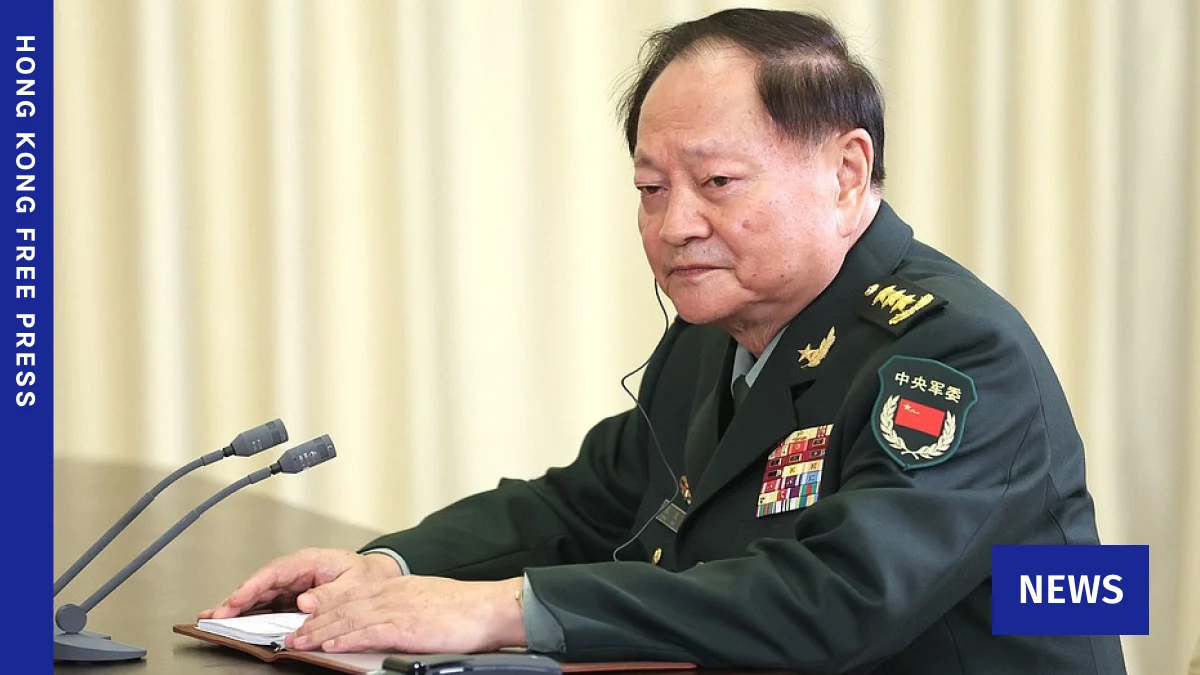
 Raul Delapena Setiawan