Iffa Jayyana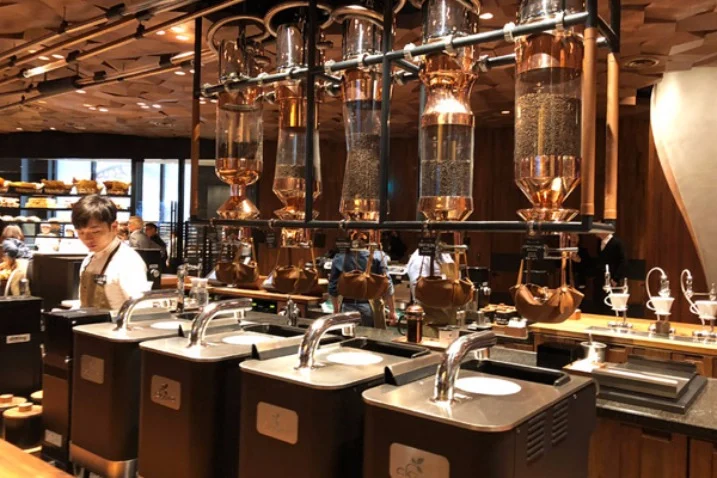
Despite the transformative surge of e-commerce in recent years, the intrinsic value of brick-and-mortar retail persists, with physical stores not only maintaining their dominance but also evolving to coexist and cooperate strategically with online platforms. This perspective, articulated by Victor Cha, Managing Director and Deputy Chairman of HKR International Ltd., underscores a pivotal shift in the retail sector where experience and curated environments are paramount. The newly inaugurated HKRI Taikoo Hui in Shanghai stands as a testament to this evolving paradigm, championing bespoke design, unique brand curation, and a comprehensive lifestyle offering to captivate the modern consumer.
The Evolving Retail Paradigm: Beyond Transactions
For years, prognosticators have heralded the "retail apocalypse," citing the rapid growth of online shopping as an existential threat to physical stores. While digital platforms undeniably exert a strong influence, capturing a significant share of consumer spending, the narrative of complete displacement is increasingly being challenged by market realities. In 2016, for instance, China’s online retail sales of physical goods reached 4.19 trillion yuan ($633.5 billion), marking a robust 25.6 percent year-on-year increase. Yet, this formidable figure still constituted only 12.6 percent of the total retail value of all consumer goods purchased, according to data from the Ministry of Commerce. This disparity highlights the enduring strength and irreplaceable role of physical retail in the broader economic landscape.
Further reinforcing this trend, a survey by financial research firm Gordon Haskett revealed that consumers exhibit a strong preference for in-store purchases across a wide array of categories, especially those centered on experience. While online channels dominate for items like music, books, movies, and small appliances, physical stores remain the preferred destination for groceries, household goods, health and beauty products, pet supplies, and automotive items. This consumer behavior signals a clear distinction: convenience often drives online purchases, but interaction, immediate gratification, and sensory engagement are powerful motivators for venturing into physical retail spaces.
Victor Cha succinctly captured this transformation, stating, "E-commerce indeed has made its strong impact towards physical retail, but brick-and-mortar stores are irreplaceable and continuing taking the lion’s share of retail sector." He emphasized that shopping malls are no longer mere transactional hubs but are morphing into "one-stop experience providers for shopping, lifestyle and social." This fundamental shift mandates that retailers either "embrace this trend peacefully or be phased out," a stark warning reflecting the intense competition and necessity for innovation in today’s market.
HKRI Taikoo Hui: A Blueprint for Experiential Retail
At the forefront of this experiential retail revolution is the HKRI Taikoo Hui, a sprawling 322,000-square-meter commercial complex strategically situated on Shanghai’s bustling West Nanjing Road. Officially opened in early November, the development represents a monumental investment of up to 18 billion yuan ($2.7 billion), a joint venture between HKR International and Swire Properties. This ambitious project is not merely a shopping mall but a meticulously integrated ecosystem comprising a high-end shopping center, two luxury hotels (The Sukhothai Shanghai and The Middle House), one serviced apartment building, and two premium office towers.
The genesis of HKRI Taikoo Hui can be traced back to a vision to create a landmark destination that transcends conventional retail. The planning and development phase, spanning several years, focused on integrating world-class architecture, sustainable design principles, and a deep understanding of evolving consumer aspirations. Its strategic location in the heart of Shanghai’s most prestigious commercial district was a deliberate choice, aiming to capture both local high-net-worth individuals and international visitors. HKR International’s projection for the project’s performance is notably optimistic, expecting it to generate revenue equivalent to two-thirds of the company’s 11 total projects of similar size in 2018. This confidence is rooted in the complex’s innovative retail brand mix, its seamless integration of online and offline elements, and the sophisticated application of big data analytics to understand and anticipate target customer preferences and habits.
Strategic Brand Curation and Differentiation
In a market saturated with shopping malls, many of which feature an almost identical roster of international luxury brands, HKRI Taikoo Hui deliberately charted a different course. Instead of solely relying on household names like Louis Vuitton or Gucci, the development focused on curating a distinctive collection of brands that offer novelty, exclusivity, and unique experiences. This strategy aimed to combat the "high homogeneity of shopping malls’ brands" that often plagues urban retail landscapes.
Victor Cha detailed this meticulous curation: among the approximately 250 diverse brands housed within the mall, eight made their China debut stores at HKRI Taikoo Hui. An additional 22 brands chose the complex for their inaugural Shanghai outlet, further cementing its status as a launchpad for fresh concepts. Moreover, 15 brands unveiled special concept stores, offering bespoke services, interactive installations, or limited-edition products that cannot be found elsewhere. This emphasis on exclusivity and innovation is a crucial differentiator in a competitive market. As Qi Xiaozhai, head of the Shanghai Society of Commercial Economy, observed, "On average, more than 70 percent of the brands in Shanghai’s department stores and shopping malls are the same, so what brands the developer chooses will decide how successful it is."
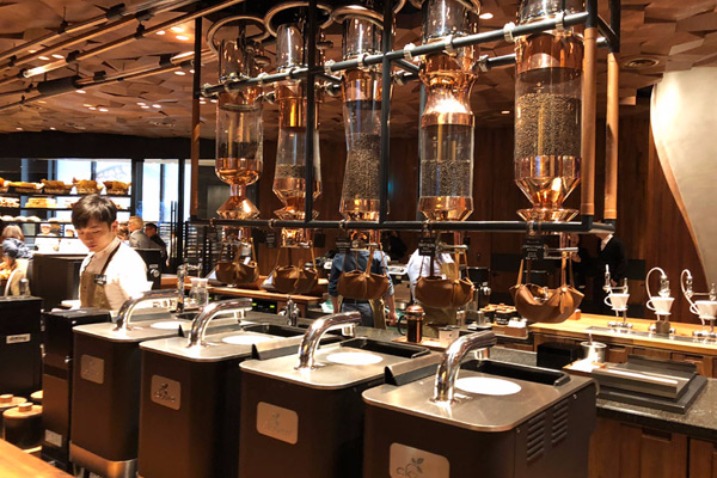
A prime example of this strategic brand selection and a major draw for HKRI Taikoo Hui is the presence of the Starbucks Reserve Roastery. Opened concurrently with the complex, this massive 30,000-square-foot establishment was, at the time, only the second of its kind globally, outside of the original Roastery in Seattle, the company’s headquarters. The Shanghai Roastery is more than just a coffee shop; it’s an immersive theatrical experience featuring multiple brewing methods, an artisan bakery (Princi), a tea bar (Teavana), and interactive digital elements that tell the story of coffee from bean to cup. This flagship destination exemplifies the experiential retail trend, transforming a simple purchase into an engaging journey, attracting both coffee enthusiasts and tourists seeking a unique cultural experience. The Starbucks Reserve Roastery serves as a powerful anchor tenant, drawing significant foot traffic and enhancing the overall prestige and appeal of HKRI Taikoo Hui.
The Convergence of Online and Offline: "New Retail" and Data-Driven Strategies
The success of developments like HKRI Taikoo Hui is not predicated on ignoring e-commerce but on strategically integrating its lessons and capabilities. The concept of "New Retail," famously championed by Alibaba’s Jack Ma in 2016, posits a seamless fusion of online, offline, logistics, and data across a single value chain. This vision challenges traditional retail models and encourages physical stores to leverage technology for enhanced customer engagement and operational efficiency.
Victor Cha echoed this sentiment, noting that as internet giants like Alibaba and JD.com increasingly establish physical storefronts, armed with vast capital and big data resources, traditional retail operators must embrace state-of-the-art technologies to remain competitive. This involves more than just having an online presence; it means using data analytics to understand shopper journeys, personalize offers, optimize store layouts, and manage inventory more effectively. HKRI Taikoo Hui’s strategy to apply big data to analyze target customer preferences and habits is a direct manifestation of this "New Retail" philosophy. By understanding who their customers are, what they desire, and how they interact with the space, the complex can continuously refine its offerings and experiences, creating a highly personalized and compelling environment.
The integration of online and offline elements could manifest in various ways within such a complex: in-store digital displays offering extended product ranges, QR codes linking to online reviews or brand stories, click-and-collect services, or loyalty programs that reward both online and offline purchases. These "phygital" strategies blur the lines between channels, offering consumers unparalleled convenience and a richer, more cohesive brand experience.
HKR International’s Vision and Mainland Investment
HKR International Ltd. has a long-standing commitment to the Chinese mainland market, reflecting its identity as a "Chinese company" with a strategic focus on the region. Over the 15 years leading up to the article’s publication, HKR International had invested approximately 20 billion yuan ($3 billion) in mainland China, representing nearly half of the company’s total investment during that period. This substantial allocation underscores the company’s belief in the long-term growth potential of the market.
Victor Cha articulated HKR’s continued dedication: "Our weighing in the Chinese mainland, especially in the Yangtze River Delta region, will continue to grow, as we are a Chinese company, and we will continuously look for real estate investment opportunities both in residential and commercial sectors, in line with the central government’s policies and strategies." This statement highlights a strategic alignment with national development plans, suggesting a proactive approach to identifying opportunities within China’s evolving urban landscape.
The company’s investment strategy is dual-pronged, encompassing both commercial and residential sectors. Cha emphasized the strong demand for high-quality residential property among China’s expanding middle class, driven by a deep-seated cultural attachment to homeownership and wealth generation. "The Chinese people in the past two decades have generated abundant wealth; in regards to their strong attachment in buying property, high-quality residential property will continue to be sought after by the expanding middle class, and that is what we were doing for the past four decades and will continue to do in the coming four decades," he stated. This long-term perspective, spanning decades, showcases HKR International’s robust confidence in China’s sustained economic growth and the enduring aspirations of its populace. Their commitment to developing high-quality residential and commercial properties positions them as a key player in shaping China’s modern urban fabric.
Broader Market Implications and Future Outlook
The trajectory exemplified by HKRI Taikoo Hui offers crucial insights into the broader future of retail in China and globally. The notion that physical retail is merely surviving is a misconception; instead, it is undergoing a profound metamorphosis. Successful retail destinations are increasingly becoming community hubs, offering a blend of shopping, entertainment, dining, wellness, and cultural experiences. This shift requires significant investment, innovative thinking, and a willingness to challenge conventional retail wisdom.
For developers and retailers, the implications are clear:
- Experience is King: Beyond product, the environment and the emotions it evokes are critical. Malls must offer unique activities, events, and services that cannot be replicated online.
- Curation Over Commodity: A thoughtful mix of brands, including local designers, niche concepts, and flagship experiential stores, is more impactful than a generic collection of established names.
- Data-Driven Decisions: Leveraging big data to understand consumer behavior, personalize offerings, and optimize operations is no longer optional but essential for competitive advantage.
- Seamless Omnichannel Integration: The future is not online or offline, but a fluid integration of both, allowing consumers to transition effortlessly between digital and physical touchpoints.
- Long-Term Vision: Investment in high-quality, mixed-use developments with a focus on sustainable design and community integration yields enduring value.
As China’s consumer market continues to mature and diversify, the demand for sophisticated, engaging, and personalized retail experiences will only intensify. Projects like HKRI Taikoo Hui serve as a vital blueprint, demonstrating that with strategic vision, substantial investment, and a deep understanding of evolving consumer psychology, brick-and-mortar retail can not only thrive but also lead the way in defining the future of commerce. The synergy between online and offline, driven by data and anchored in compelling experiences, represents the true resilience and innovation of the retail sector.

 Evan Lee Salim
 Suro Senen