Ali Ikhwan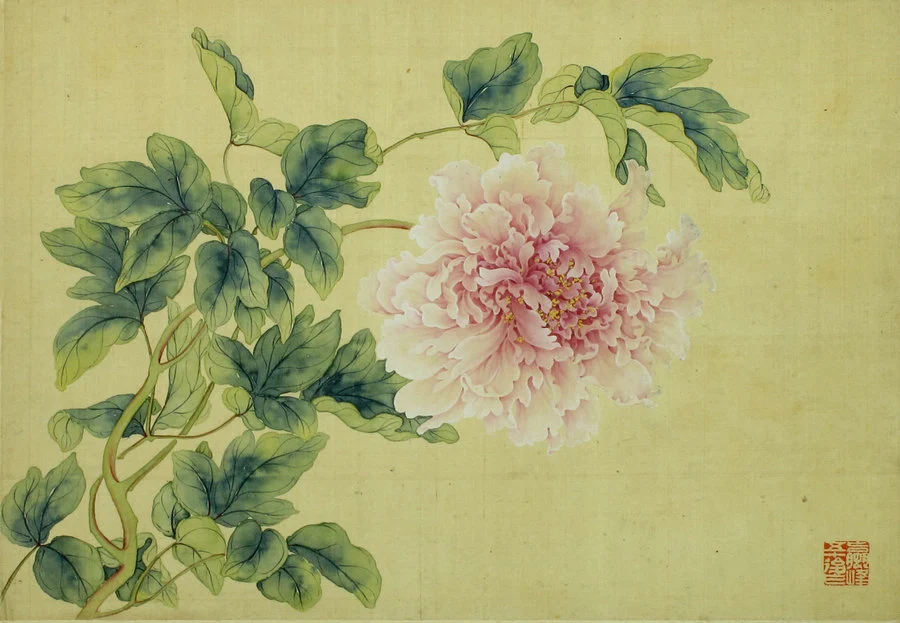
For centuries, the contributions of female artists in China, and indeed across the globe, have been largely relegated to the shadows of history. Their narratives, often overshadowed by their male contemporaries, have been fragmented, their artistic output scarce and difficult to locate. This historical marginalization has meant that the rich tapestry of artistic expression woven by women has remained largely unseen, their talents obscured by societal norms and a patriarchal historical record. However, in a significant development that promises to illuminate this neglected artistic legacy, a remarkable exhibition at the Zhejiang Provincial Museum has brought to light the works of sixty ancient Chinese female painters, offering a rare glimpse into their creative worlds.
Unveiling a Hidden Artistic Heritage
The exhibition, which commenced on November 25th, showcases a curated selection of sixty meticulously preserved artworks from the Ming Dynasty (1368-1644) and the Qing Dynasty (1644-1911). These pieces represent the diverse talents of thirty distinct female artists, including prominent figures such as Wu Dexuan, Yun Bing, and Ma Quan. This collection serves as a crucial counterpoint to the prevailing historical narrative, which has predominantly focused on male artists, thus creating a more balanced and inclusive understanding of China’s artistic past. The very existence of such a substantial and well-preserved body of work from these women underscores the fact that their artistic endeavors were not merely isolated instances but represented a significant, albeit often overlooked, facet of Chinese art history.
A Dynasty of Artistic Flourishing and Female Ingenuity
The Ming and Qing dynasties were periods of significant cultural and artistic development in China. While official histories often emphasize the imperial patronage and male-dominated academies, these eras also witnessed a burgeoning of artistic talent among women, particularly those from aristocratic and educated families. These women, often afforded greater access to education and leisure than their counterparts in lower social strata, found avenues for artistic expression through private studios, scholarly gatherings, and familial networks. Their artistic pursuits, while sometimes confined by societal expectations, were nonetheless vibrant and contributed significantly to the aesthetic landscape of their times. The exhibition’s focus on these two dynasties is particularly pertinent, as it captures a period where advancements in printing techniques and increased literacy among women may have facilitated the preservation and dissemination of their work, albeit to a limited extent.
Notable Figures and Their Artistic Signatures
Among the featured artists, Yun Bing and Ma Quan stand out as particularly renowned figures from the Qing Dynasty. Both women hailed from affluent and influential families, affording them the resources and social standing to pursue their artistic passions with dedication. Their shared penchant for painting flowers and birds is a recurring theme within the exhibition, a subject matter often associated with feminine sensibilities and domestic life. However, to categorize their work solely through this lens would be an oversimplification. The paintings of Yun Bing and Ma Quan, as evidenced by the exhibition, transcend mere decorative appeal. They are characterized by a delicate yet precise brushwork, a sophisticated understanding of composition, and a keen observation of nature. The vibrant colors, intricate details of petals and feathers, and the dynamic interplay of light and shadow demonstrate a mastery of technique that rivals that of their male counterparts. Their floral compositions are not simply botanical studies but often imbued with symbolic meaning, reflecting traditional Chinese aesthetics and philosophical underpinnings. Similarly, their bird paintings capture the spirit and dynamism of avian life, often conveying a sense of freedom and natural beauty.
The inclusion of artists like Wu Dexuan further broadens the scope of the exhibition, hinting at a diversity of styles and thematic concerns among these female painters. While the provided context highlights Yun and Ma’s expertise in flora and fauna, the presence of other artists suggests a wider range of subjects, potentially including landscapes, portraits, or even genre scenes, offering a more comprehensive understanding of their collective artistic output. The Zhejiang Provincial Museum’s careful curation aims to present these works not as curiosities but as integral components of China’s rich artistic heritage.
The Significance of Preservation and Rediscovery
The rarity of surviving works by ancient female artists is a testament to the challenges they faced in having their creations recognized, preserved, and passed down through generations. Societal expectations often placed women in domestic roles, limiting their public presence and the avenues through which their art could be displayed and documented. Furthermore, the traditional art historical canon, largely compiled by male scholars and critics, often overlooked or downplayed the contributions of women. This has resulted in a historical void, making the discovery and exhibition of these sixty works a monumental achievement.
The meticulous preservation of these pieces is a crucial aspect of their significance. It implies that these works were either highly valued by their original owners, passed down through families with a conscious effort to protect them, or were perhaps part of private collections that have now come to light. The Zhejiang Provincial Museum’s commitment to showcasing these works signifies a broader trend in the art world towards re-evaluating historical narratives and actively seeking out marginalized voices. This exhibition is not just a display of paintings; it is a powerful act of historical reclamation.
A Timeline of Neglect and Emerging Recognition
The historical trajectory of female artists in China can be broadly understood through several phases:
- Early Dynasties (Pre-Tang): While evidence is scarce, surviving texts suggest the presence of female artists, often associated with court painters or artisans. Their works are exceedingly rare.
- Tang and Song Dynasties: A gradual increase in documented female artists, particularly in calligraphy and painting, often associated with literati circles and Buddhist art. However, preservation remains a significant challenge.
- Ming and Qing Dynasties (1368-1911): This period, as highlighted by the exhibition, saw a notable flourishing of female artistic talent, especially among educated elites. This era is characterized by more systematic, though still limited, preservation of their works. The rise of woodblock printing also played a role in disseminating images, indirectly benefiting the recognition of artists.
- Republic of China Era and Beyond: With greater societal shifts and increasing educational opportunities for women, female artists gained more public visibility and recognition, though the historical shadows of previous centuries still lingered.
- Late 20th Century to Present: A concerted effort by scholars, museums, and cultural institutions to unearth, research, and exhibit the works of previously overlooked female artists from all historical periods. The Zhejiang Provincial Museum exhibition falls squarely within this contemporary movement.
The fact that these sixty works have survived and are now accessible to the public is a testament to the dedication of collectors, curators, and perhaps even the families who safeguarded these artistic treasures for centuries.
Expert Perspectives and Inferred Reactions
While specific statements from individuals involved in the exhibition are not provided in the source material, one can logically infer the sentiments of various stakeholders. Curators and art historians at the Zhejiang Provincial Museum would likely express immense satisfaction and a sense of scholarly triumph. Their statements would emphasize the importance of correcting historical imbalances and enriching the understanding of Chinese art. They might articulate their dedication to uncovering more such hidden gems and their hope that this exhibition will inspire further research and appreciation for female artists.
Art critics and scholars specializing in Chinese art history would likely welcome the exhibition with enthusiasm. Their reviews would focus on the artistic merit of the displayed works, the historical context, and the broader implications for art historiography. They might praise the museum for its bold initiative and highlight the significant contribution to scholarship.
For the broader public, particularly those interested in art and history, the exhibition offers an opportunity for discovery and education. It challenges preconceived notions about the past and provides a more nuanced and inclusive perspective on China’s cultural achievements. The exhibition is likely to spark conversations about gender representation in art and history, both within China and internationally.
Broader Impact and Implications
The exhibition’s impact extends far beyond the walls of the Zhejiang Provincial Museum. By bringing these ancient female painters’ works into the public consciousness, it serves several critical functions:
- Rectifying Historical Omissions: It actively challenges the male-dominated historical narrative in art, offering a more complete and accurate representation of China’s artistic past.
- Inspiring Future Generations: It provides role models for contemporary female artists and aspiring art students, demonstrating that women have a long and distinguished history of artistic achievement.
- Enriching Art Historical Scholarship: It provides valuable material for further research into the lives, techniques, and cultural contexts of these artists, potentially leading to new academic discoveries and interpretations.
- Promoting Cultural Understanding: It contributes to a deeper appreciation of the diversity and complexity of Chinese culture, highlighting the often-unsung contributions of women.
- Setting a Precedent: This exhibition could encourage other institutions to undertake similar initiatives, leading to the rediscovery and exhibition of more works by marginalized artists globally.
The success of this exhibition could prompt a critical re-examination of museum collections and art historical archives worldwide, encouraging a more inclusive approach to art history and curation. The rediscovery and display of these works represent not just an artistic revelation but a significant step towards a more equitable and comprehensive understanding of human creativity across time and cultures. The lingering question remains: how many other equally significant artistic legacies lie dormant, awaiting their moment in the light? This exhibition serves as a powerful reminder of the importance of persistent inquiry and the profound value of acknowledging all voices in the grand narrative of human artistic expression.

 Asep Darmawan
 Rifan Muazin