Dwi Wanna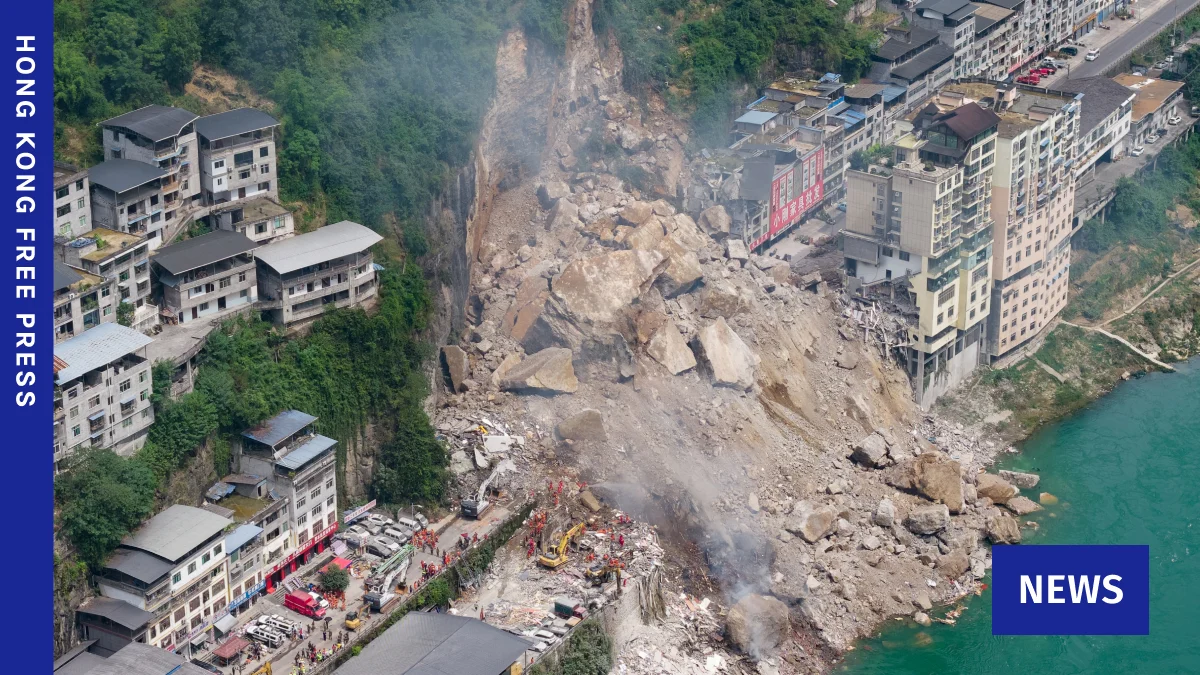
Rescuers have confirmed an additional 30 fatalities in the aftermath of a catastrophic landslide that struck Pengshui County in China’s southwestern Chongqing municipality this month, elevating the total death toll to 41. The updated figures were released by local authorities following extensive DNA testing and meticulous identification of bodies and human remains recovered from the disaster site. The tragedy, which occurred on July 17, 2026, has brought renewed focus on the perennial challenges China faces from natural geological hazards, particularly in its mountainous and densely populated regions.
Unfolding Catastrophe in Pengshui County
The devastating landslide occurred in the early hours of July 17, unleashing a torrent of earth, rocks, and debris down a mountainside in Pengshui County. The immense volume of displaced material cascaded into a residential and commercial area nestled at the foot of the mountain and along a riverbank, engulfing and sweeping away several buildings. Initial reports from state media depicted a scene of utter destruction: a vast expanse of collapsed earth and rubble where homes and businesses once stood, transforming a bustling street into a desolate wasteland. The sheer scale of the disaster immediately signaled a high potential for casualties, prompting an urgent and large-scale emergency response.

In the immediate aftermath, rescue operations commenced with hundreds of personnel, including firefighters, paramilitary police, medical teams, and geological experts, converging on the site. Equipped with heavy machinery, specialized search tools, and sniffer dogs, these dedicated teams worked tirelessly through treacherous conditions, battling unstable terrain and the daunting task of sifting through massive piles of debris. Early assessments by rescuers indicated a grim outlook, with warnings issued that there were no immediate signs of life among the approximately 50 individuals initially reported missing. By Friday, July 19, authorities had confirmed 11 fatalities. However, as recovery efforts continued and more remains were unearthed, the meticulous process of identification, crucial in mass casualty events, was initiated. Late on Tuesday, July 23, Pengshui county authorities announced the confirmation of 30 additional victims through DNA analysis, bringing the tragic count to 41. This arduous process underscores the difficulty and sensitivity involved in recovering and identifying victims from such destructive events.
A Chronology of Grief and Recovery
The disaster unfolded rapidly, yet its aftermath has been a prolonged and painstaking process of recovery and identification.
- July 17, 2026: The landslide strikes Pengshui County in Chongqing municipality, sweeping away multiple residential and commercial structures. Emergency services are immediately mobilized.
- July 17-19, 2026: Hundreds of rescue workers, including specialized teams, are deployed to the site. Initial assessments warn of no signs of life among the approximately 50 missing individuals. Recovery efforts face significant challenges due to the unstable nature of the debris and the sheer volume of collapsed material.
- July 19, 2026 (Friday): Authorities officially report an initial death toll of 11 people, while search operations continue for the remaining missing.
- July 23, 2026 (Tuesday evening): Following extensive DNA testing and forensic identification of additional bodies and remains found at the site, Pengshui County authorities announce the confirmation of 30 more victims. This update raises the total confirmed fatalities to 41. The announcement marks a somber milestone in the ongoing recovery efforts, confirming the fears for many of the missing.
The timeline reflects the slow and deliberate nature of disaster recovery, particularly when dealing with the identification of victims in situations of extreme destruction. Each update brings a painful clarity to affected families, transforming uncertainty into definitive loss.

Intensive Rescue and Recovery Operations
The response to the Pengshui landslide was immediate and comprehensive, involving a multi-agency effort. Upon notification, provincial and national disaster relief committees activated emergency protocols, dispatching resources and expert teams to the remote mountainous region. Hundreds of trained personnel, including search and rescue specialists from the People’s Armed Police, local fire departments, and the Ministry of Emergency Management, were on the ground within hours.
Their efforts were multifaceted:
- Initial Search and Rescue: Utilizing advanced life detection equipment, thermal imaging cameras, and specially trained search and rescue dogs, teams systematically combed through the vast debris field. The focus was initially on locating any potential survivors trapped beneath the rubble, a race against time given the critical 72-hour window for survival.
- Heavy Machinery Deployment: Excavators, bulldozers, and cranes were brought in to carefully remove colossal amounts of earth and rock, clearing paths and accessing buried areas. This process was meticulously managed to avoid further destabilizing the site or causing additional harm to potential victims.
- Forensic Identification: As bodies and remains were recovered, a critical phase of forensic work began. Medical examiners and forensic anthropologists worked diligently to identify the deceased, a process often complicated by the severe trauma inflicted by the landslide. DNA testing became paramount in confirming identities, especially for fragmented remains, ensuring that victims could be respectfully returned to their families.
- Logistical Support: Establishing temporary command centers, medical aid stations, and supply lines for food, water, and shelter for both rescue workers and displaced residents was crucial. The mountainous terrain presented significant logistical hurdles, requiring coordinated efforts to transport personnel and equipment.
The emotional toll on rescue workers was immense, as they grappled with the grim reality of the situation, often having to relay heartbreaking news to anxious families gathered nearby. Their dedication, however, remained unwavering in the face of such profound devastation.

China’s Vulnerability to Geological Hazards
China is one of the countries most susceptible to natural disasters, with landslides being a recurrent and deadly threat, particularly in its southwestern and mountainous regions. The geographical characteristics of Chongqing and neighboring provinces, such as Sichuan, Yunnan, and Gansu, create an environment highly prone to these catastrophic events. The region is characterized by steep slopes, intricate fault lines, and a geology often composed of loose soil and fractured rock.
Several factors contribute to this vulnerability:
- Geological Instability: The collision of the Indian and Eurasian tectonic plates has created the formidable Himalayas and the vast Tibetan Plateau, leading to significant seismic activity and ongoing geological uplift across much of southwestern China. This tectonic activity results in fractured bedrock and unstable slopes that are highly susceptible to collapse.
- Monsoon Rains: China experiences a distinct monsoon climate, with heavy, prolonged rainfall concentrated during the summer months. These torrential rains saturate the soil, increasing its weight and reducing its shear strength, acting as a primary trigger for landslides and mudslides. The Pengshui region, like much of Chongqing, is particularly susceptible to heavy summer downpours.
- Topography: The steep valleys and deep river gorges typical of these mountainous areas channel water and debris, increasing the destructive potential of any slope failure.
- Human Activity: Rapid urbanization, infrastructure development (roads, dams, mines), and agricultural practices on steep slopes can destabilize terrain, exacerbate erosion, and increase the likelihood of landslides. While specific causes for the Pengshui landslide are under investigation, human alteration of landscapes often plays a compounding role.
- Climate Change: A growing body of scientific evidence suggests that climate change is intensifying extreme weather events globally, including more frequent and heavier rainfall events in certain regions of China. This can further increase the frequency and severity of landslides.
The Pengshui tragedy is not an isolated incident. Less than two weeks prior to this event, another significant landslide struck northwestern Gansu province, resulting in 21 confirmed deaths and 33 people buried. This proximity of major landslide events underscores the persistent and widespread nature of the threat across China’s diverse geographical landscape.

Government Response and Disaster Preparedness
The Chinese government has long recognized the severe threat posed by geological disasters and has invested considerable resources in disaster preparedness, early warning systems, and response mechanisms. Following the Pengshui landslide, both local and central authorities swiftly mobilized, demonstrating a coordinated approach to crisis management.
Key aspects of the government’s response include:
- Emergency Activation: The Ministry of Emergency Management and provincial authorities activate high-level emergency response plans, ensuring rapid deployment of personnel, equipment, and medical aid.
- Investigation and Assessment: Expert teams, including geologists and engineers, are dispatched to the site to conduct thorough investigations into the causes of the landslide. This includes assessing geological stability, identifying potential triggers, and evaluating the risk of secondary disasters. Such investigations are crucial for developing future prevention strategies.
- Victim Support and Resettlement: Authorities are responsible for providing humanitarian aid to displaced families, including temporary shelter, food, and psychological counseling. Long-term plans for resettlement and reconstruction are typically initiated after the immediate crisis has passed.
- Public Information: State media outlets provide regular updates on rescue efforts, casualty figures, and official statements, aiming to keep the public informed and manage expectations during a difficult period.
- Disaster Prevention Measures: In the wake of such events, there is often a renewed emphasis on strengthening existing early warning systems, which include real-time monitoring of rainfall, soil moisture, and ground deformation in high-risk areas. Efforts are also intensified to relocate residents from highly vulnerable zones and to reinforce unstable slopes through engineering solutions.
Despite these efforts, the sheer scale and unpredictability of natural forces mean that complete prevention is often impossible, making rapid and effective response paramount.

Broader Impact and Implications
The Pengshui landslide, along with other recent geological disasters in China, carries significant broader impacts and implications for the affected communities and the nation as a whole.
- Humanitarian Crisis: Beyond the immediate fatalities, many survivors face the traumatic loss of family members, homes, and livelihoods. The psychological toll on individuals and communities can be profound and long-lasting, requiring sustained support for mental health and social reintegration.
- Economic Disruption: The destruction of residential buildings, commercial establishments, and potentially critical infrastructure (roads, bridges, utilities) leads to substantial economic losses. Reconstruction efforts are costly and time-consuming, diverting resources that could otherwise be used for development. Local economies, particularly those reliant on agriculture or small businesses, can be severely disrupted.
- Environmental Concerns: Landslides can alter local landscapes, impacting ecosystems, river courses, and agricultural land. The long-term environmental recovery of affected areas also becomes a significant challenge.
- Urban Planning and Development Rethink: These events often prompt a re-evaluation of urban planning and construction practices, especially in geologically active or vulnerable areas. There is an increasing push for stricter zoning regulations, comprehensive geological surveys before development projects, and the implementation of more resilient building standards. Balancing the needs of economic development with environmental protection and disaster risk reduction becomes a critical policy challenge.
- Technological Advancement in Disaster Management: The recurring nature of these disasters spurs continuous innovation in remote sensing, drone technology for aerial reconnaissance, advanced geological modeling, and artificial intelligence for predictive analysis of landslide risks. Such technologies are vital for improving early warning capabilities and optimizing rescue operations.
- Community Resilience: In the face of repeated natural disasters, building community resilience becomes crucial. This involves educating residents about disaster preparedness, establishing local emergency response networks, and fostering a sense of collective responsibility and mutual aid.
The tragedy in Pengshui County serves as a stark reminder of humanity’s vulnerability to the power of nature and the ongoing imperative for robust disaster management strategies, continuous scientific research, and sustainable development practices in high-risk regions. As China continues its rapid development, the lessons learned from such devastating events will undoubtedly shape its approach to safeguarding its citizens and infrastructure against future geological threats.


 Evan Lee Salim
 Muslim