Sagoh
Sagoh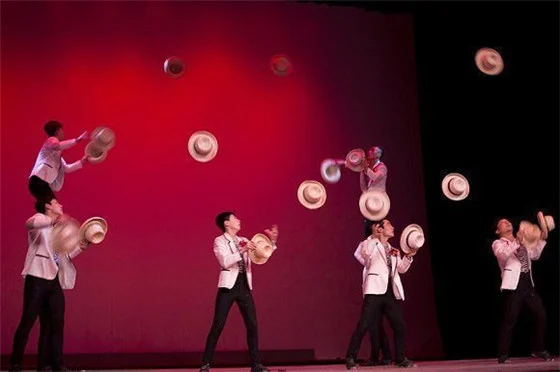
The 27th Havana International Book Fair, a cornerstone of Cuba’s cultural calendar, became a vibrant stage for an extraordinary cultural exchange as the esteemed Shandong Art Troupe from China delivered a series of captivating performances on February 2nd. Held at the prestigious Alicia Alonso Grand Theater in the Cuban capital, the troupe’s spectacular show served as a potent New Year’s greeting to the Cuban people, artfully bridging the calendar gap before the approaching Chinese New Year and enriching the festive atmosphere of the book fair, which had officially commenced on February 1st. China’s prominent role as the honored nation at this year’s fair provided a significant platform for this cultural diplomacy.
The artistic offerings from the Shandong Art Troupe were a testament to the rich tapestry of Chinese heritage, designed to resonate with audiences from diverse backgrounds. The performances unfolded with a rich medley of traditional and contemporary artistic expressions. Festive Chinese music, characterized by its distinctive melodies and instrumentation, set an uplifting tone, seamlessly transitioning into dynamic and visually stunning Chinese dances that showcased the grace and artistry of the performers. The audience was further mesmerized by breathtaking displays of Chinese acrobatics, a discipline renowned globally for its precision, daring feats, and intricate choreography. These acrobatic marvels, often involving remarkable feats of strength, balance, and flexibility, captivated onlookers and drew enthusiastic applause.
A significant highlight of the gala was the inclusion of classic Peking Opera excerpts. This iconic form of Chinese opera, with its distinctive vocalizations, elaborate costumes, and symbolic makeup, offered a profound glimpse into China’s theatrical traditions. The nuanced performances, though perhaps not fully understood by all in terms of linguistic content, conveyed powerful emotions and dramatic narratives through masterful artistry, earning appreciative recognition from the Cuban attendees. Complementing these traditional elements were martial arts performances, which demonstrated not only the physical prowess and discipline inherent in these ancient practices but also their aesthetic and philosophical dimensions. The synergy of these diverse artistic disciplines created a holistic and immersive cultural experience, drawing large crowds of local residents eager to witness this vibrant showcase of Chinese culture.
The Shandong Art Troupe’s engagement at the book fair extended beyond the dedicated gala. The troupe also graced the opening ceremony of the 27th Havana International Book Fair on February 1st, marking their presence from the very inception of the event. This initial performance underscored China’s significant commitment as the guest of honor, setting a high standard for the cultural programming throughout the fair. According to representatives of the Shandong Art Troupe, the Chinese cultural gala was meticulously curated as a pivotal component of China’s comprehensive participation, which encompassed a wide array of activities designed to highlight the nation’s multifaceted cultural landscape. The troupe’s performances, therefore, represented a significant moment within this broader initiative, fostering cultural understanding and appreciation.

A Celebration of Diversity and Cultural Diplomacy
Abel Prieto, the Cuban Minister of Culture, expressed his profound admiration for the performances, emphasizing how the sheer variety and inherent beauty of the gala effectively showcased the rich diversity of China. His statement, "I am very happy with how the Chinese government assumed the commitment to be the nation guest of honor at our book fair… They made a real effort to bring China’s culture as an important gift for readers and in general for the Cuban public," eloquently captured the spirit of the cultural exchange. Prieto’s remarks underscored the success of China’s endeavor to present its culture not merely as an exhibit but as a genuine offering, a meaningful gift to the Cuban people and the attendees of the book fair. This sentiment reflects the broader objectives of cultural diplomacy, aiming to build bridges of understanding and foster goodwill through the universal language of art.
The 27th Havana International Book Fair, a preeminent event in Cuba’s publishing and cultural spheres, commenced on February 1st within the historic confines of the old Fortress of San Carlos de la Cabana in Havana. This annual fair is not merely a commercial undertaking for book sales but a significant cultural happening that reverberates throughout the nation. It serves as a crucial nexus for literary professionals, academics, artists, and the general public to engage with a diverse range of literary works and cultural expressions. China’s designation as the guest of honor for the 2018 edition of the fair was a significant honor, reflecting the deepening diplomatic and cultural ties between the two nations. This invitation provided a unique opportunity for China to present its literary achievements, cultural heritage, and contemporary artistic endeavors to a receptive Cuban audience.
Scale and Scope of the Havana International Book Fair
The scale of the 27th Havana International Book Fair was substantial, indicating its growing international stature and the Cuban government’s commitment to fostering cultural exchange. Organizers reported the participation of approximately 122 exhibitors from 22 different nations at the main venue. This impressive international turnout highlights the fair’s significance as a global platform for the book industry and cultural dialogue. The event’s extensive reach necessitated the utilization of 22 sub-venues across Havana, a testament to the breadth and depth of its academic, artistic, and literary programming. This distributed approach ensured that the fair’s diverse offerings could be accommodated, allowing for a richer and more accessible experience for attendees. The logistical undertaking of managing such a widespread event underscores its importance within the Cuban cultural landscape.
The fair’s itinerary was designed for a comprehensive national impact. Following its initial stage in Havana, which concluded on February 11th, the book fair embarked on a national tour, extending its cultural reach to other provinces across Cuba. This extended journey culminated on May 13th in the eastern city of Santiago de Cuba, ensuring that the literary and cultural benefits of the fair were shared across the entire nation. This nationwide dissemination of literary and cultural content is a key strategy for promoting literacy, intellectual engagement, and cultural appreciation among all segments of the Cuban population.
Contextualizing the Shandong Art Troupe’s Performance
The Shandong Art Troupe’s performances at the Havana International Book Fair represent a strategic facet of China’s "soft power" initiatives, aiming to enhance its global image and foster positive international relations through cultural outreach. Shandong province, situated on China’s eastern coast, is a region with a rich history and a vibrant contemporary cultural scene. It is known for its contributions to Chinese art, literature, and philosophy, including being the birthplace of Confucius. Therefore, the art troupe’s selection to represent China at such a prominent international event underscores the province’s cultural significance within China.

The troupe’s repertoire, blending traditional and modern elements, is a deliberate approach to showcase China’s evolving cultural identity. The inclusion of Peking Opera and martial arts speaks to the preservation of ancient traditions, while the dynamic dances and contemporary music demonstrate China’s modern artistic expressions. The specific mention of acrobats performing "in Michael Jackson’s style" in one of the accompanying photo captions (though not directly in the main text) suggests a willingness to engage with global popular culture and to create performances that are both culturally authentic and universally appealing. This fusion of styles is a common strategy in contemporary cultural diplomacy, aiming to find common ground and shared appreciation across different cultural backgrounds.
The Broader Implications of Cultural Exchange
The engagement of the Shandong Art Troupe at the Havana International Book Fair carries significant implications beyond the immediate enjoyment of the performances. It serves as a powerful catalyst for fostering deeper understanding and mutual respect between China and Cuba. In an era where cultural exchange is increasingly recognized as a vital component of international relations, such events play a crucial role in demystifying other cultures and breaking down stereotypes. By experiencing firsthand the richness and diversity of Chinese arts, the Cuban public gains a more nuanced perspective on China, moving beyond political or economic narratives to appreciate its cultural depth and artistic achievements.
Furthermore, China’s prominent role as the guest of honor at the book fair signifies a strategic effort to strengthen its influence and presence in Latin America. Cuba, with its historical significance and cultural leadership in the region, serves as a key gateway for such outreach. The success of these cultural initiatives can pave the way for increased collaboration in other sectors, including education, tourism, and trade. The positive reception of the Shandong Art Troupe’s performances by both officials like Minister Abel Prieto and the general public suggests that these cultural bridges are being successfully built, contributing to a more robust and multifaceted relationship between China and Cuba. The event, therefore, is not just a cultural spectacle but a carefully orchestrated diplomatic effort aimed at long-term relationship building.
The performances by the Shandong Art Troupe at the 27th Havana International Book Fair represent a compelling example of how cultural diplomacy can effectively bridge national divides and foster goodwill. The troupe’s diverse and high-caliber performances provided a vibrant glimpse into China’s rich cultural heritage and its contemporary artistic dynamism, resonating deeply with the Cuban audience and contributing significantly to the success of China’s role as the honored nation at this prestigious international event. The event, as a whole, highlights the enduring power of the arts to connect people, promote understanding, and celebrate the shared human experience across borders.

 Asep Darmawan
 Rifan Muazin