
 Lina Hope
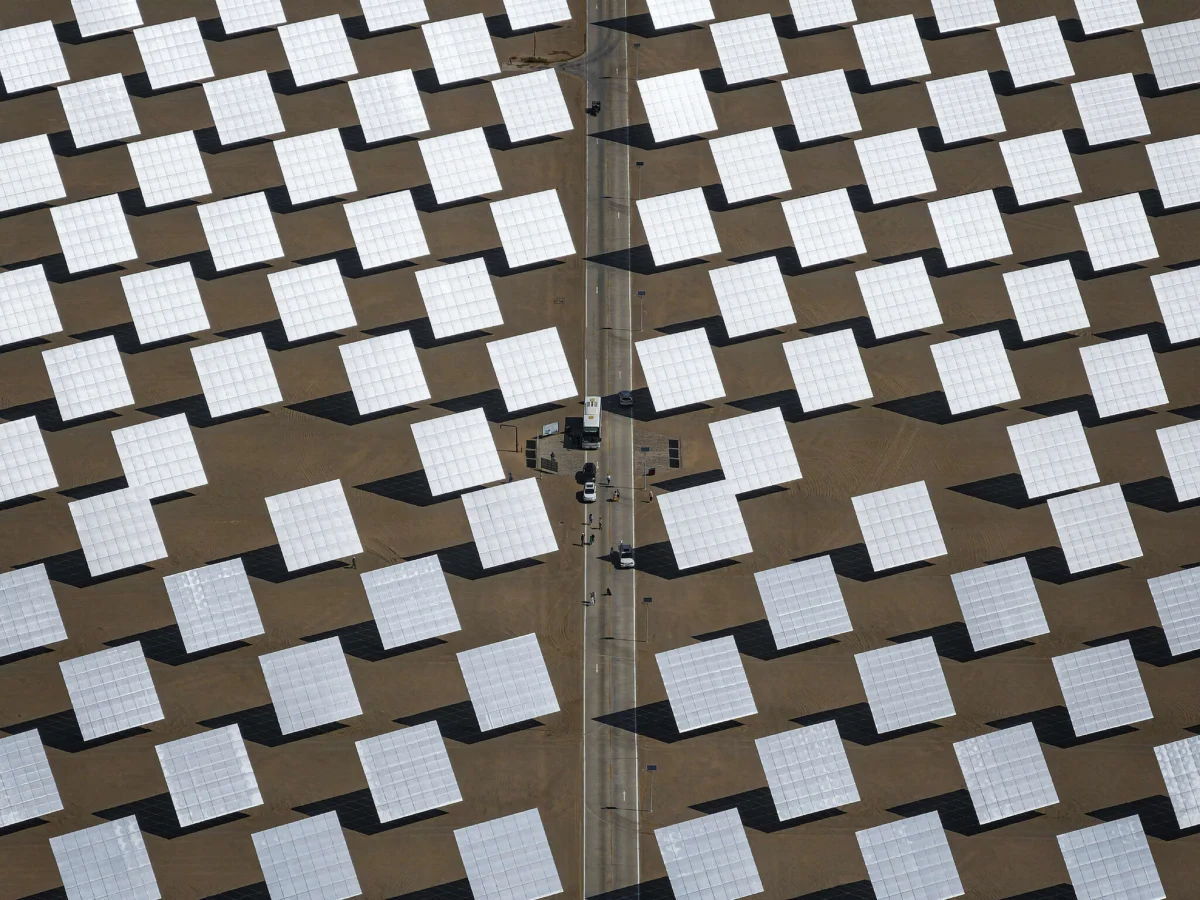
The rapid expansion of data centers across China, fueled by an insatiable demand for electricity, presents a complex yet critical juncture in the nation’s pursuit of a sustainable energy future. While Chinese tech giants have been making strides in greening their electricity consumption, aiming for a formidable 100% renewable energy utilization, the burgeoning AI boom threatens to complicate these ambitious goals. A recent report by Greenpeace East Asia offers a granular look at this evolving landscape, highlighting both progress and persistent challenges.
The Green Cloud Initiative: Progress Amidst the AI Surge
A comprehensive analysis conducted by Greenpeace East Asia’s Beijing office examined 25 leading tech companies involved in cloud computing and data center operations. The findings indicate a positive trend: a consistent increase in both the total volume of renewable energy consumed and the proportion of electricity derived from these clean sources. This growth is occurring even as the demand from AI-driven data centers escalates, suggesting a determined effort by some companies to align their expansion with sustainability objectives.
However, the report cautions that a definitive assessment of the ultimate emissions reduction outcomes remains elusive. The reliance on publicly available disclosures and company-provided data presents a significant limitation. Tech firms typically report aggregate energy usage and emissions, often lacking specific breakdowns for their data center operations. This opacity necessitates further transparency from companies to accurately quantify their actual energy consumption and its environmental footprint.
This research is an integral part of Greenpeace East Asia’s decade-long "Clean Cloud" campaign, which has been diligently advocating for sustainable electricity consumption in China’s cloud computing and data center sectors. The latest findings are detailed in their "Clean Cloud 2026 report," a testament to their sustained commitment to pushing for environmental accountability.
Navigating the Policy Landscape and Corporate Commitments
The immense pressure on tech companies to adopt renewable energy sources, coupled with favorable government policies promoting the synergy between computing infrastructure and green energy, has spurred significant investment. Several major Chinese tech players are actively engaging in large-scale, utility-scale renewable energy projects and entering into long-term power purchase agreements. These strategic moves are designed to secure stable, long-term supplies of clean energy, a crucial step towards meeting their sustainability targets.
Despite these positive developments, the progress is not uniform. A notable disparity exists among companies, with some demonstrating minimal advancement or exhibiting a reluctance to share comprehensive information with the public. This unevenness underscores the continued need for vigilance and advocacy.
Greenpeace East Asia has set a clear objective: to urge tech companies to achieve 100% renewable energy consumption by 2030. For nearly a decade, their Beijing office has been a vocal proponent of data centers attaining operational carbon neutrality by this same deadline. When the campaign initially launched, the computational demands of AI were not the formidable force they are today. However, this evolving technological landscape does not alter the fundamental imperative: China’s data centers must transition to 100% renewable energy by 2030.
The organization has identified four pivotal trends that will be under continuous scrutiny:
1. AI Data Centers: A Unique Challenge in China
The exponential growth of data centers driven by AI applications is projected to significantly increase electricity demand. To achieve targeted emissions reductions, the consumption of renewable energy must accelerate at an even more rapid pace. The overarching goal of 100% renewable energy by 2030 remains paramount, irrespective of these new demands.
China’s approach to AI data center expansion is distinctive, shaped by its unique development structure and the government’s directive for tech companies to align with national net-zero targets. A key characteristic is the concentration of new data centers in specific hubs. Crucially, many of these hubs are located in regions that have already witnessed extensive development of utility-scale renewable energy projects. China’s remarkable expansion of solar and wind capacity has created a scenario where renewable energy projects are often actively seeking electricity demand to match their output. Consequently, data center growth is frequently strategically positioned near these abundant clean energy resources. This geographical alignment offers a unique advantage in China, potentially facilitating a more integrated approach to renewable energy sourcing for data centers compared to other global contexts.
2. Government Mandates and Incentives for Renewable Integration
State-level policies wield considerable influence over corporate operations in China. The central government has explicitly linked the expansion of new computing capacity for AI with the coordinated development of renewable energy generation and uptake. This policy framework generates a range of incentives designed to encourage data centers to embrace renewable energy.
However, it is imperative to closely monitor the real-world implementation and effectiveness of these initiatives. The coordination of increased data center expansion with renewable energy supply presents technical complexities. Currently, local governments are increasingly proactive in attracting cloud computing providers and data center companies by offering long-term access to renewable energy. The success of these efforts, however, will ultimately be measured by their tangible impact on the total climate footprint of these massive tech corporations. Continuous observation is essential to ascertain whether these policy drivers translate into concrete, measurable reductions in emissions.
3. Decarbonizing the Value Chain: A Call for Corporate Leadership
The level of corporate disclosure regarding electricity sourcing for operations and the energy consumption within supply chains has seen considerable improvement since the inception of the Clean Cloud campaign. Tech companies are now more forthcoming with information about their energy footprints.

Nevertheless, enhanced disclosure is merely the initial phase. This increased transparency has illuminated the pressing need for more robust, direct action to decarbonize the entire value chain. Tech companies must establish explicit targets to accelerate the reduction of emissions originating from their supply chains. This includes actively supporting rented data centers in their portfolios to transition to renewable energy sources, thereby extending their decarbonization efforts beyond their direct operational control. The interconnected nature of the tech industry necessitates a holistic approach to sustainability, encompassing every link in the value chain.
4. Beyond 100% Renewable Energy: Embodied Carbon and Global Footprints
The construction of data centers themselves contributes to greenhouse gas emissions. A potential pitfall of focusing solely on carbon neutrality or 100% renewable energy targets is the risk of overlooking broader, real-world climate and environmental impacts. The materials used in data center construction, for instance, present a significant challenge. The intensive use of steel and cement, both carbon-intensive building materials, results in a substantial embodied carbon footprint for the industry. Sourcing low-carbon alternatives for these materials can significantly mitigate this impact.
Furthermore, Chinese cloud computing providers and data center operators are increasingly expanding their presence internationally. Prominent companies like Alibaba Cloud, GDS, and ByteDance are investing in new computing capacity across Southeast Asia, the Middle East, Latin America, and beyond. In these diverse global markets, Chinese tech companies encounter distinct energy policies, environmental regulations, and socio-cultural contexts. The challenge of achieving their climate targets extends beyond China’s borders, demanding adaptable strategies and a nuanced understanding of varied regulatory and environmental landscapes. Successfully navigating these international arenas will be a crucial determinant of their overall global climate performance.
The Unfolding Implications of the AI Data Center Boom
The ultimate repercussions of this global AI data center boom remain to be fully understood. However, it is clear that continued scrutiny of the climate impact of tech giants, including those operating out of China, is not only warranted but essential. The intersection of rapidly advancing AI technology, escalating energy demands, and the imperative for climate action presents a complex and dynamic scenario.
Historically, the energy intensity of data centers has been a growing concern. By 2020, global data center energy consumption was estimated to be around 1% of total global electricity demand, a figure projected to rise significantly with the proliferation of AI and other data-intensive applications. China, as the world’s second-largest economy and a leader in technological innovation, is at the forefront of this trend. The sheer scale of its digital infrastructure development means that its progress, or lack thereof, in adopting renewable energy for data centers has global implications.
The "Clean Cloud 2026 report" highlights that while China’s overall renewable energy capacity has seen unprecedented growth – with the country leading the world in installed wind and solar capacity – the integration of this clean energy into the high-demand sectors like data centers is the crucial next step. For example, by the end of 2023, China’s installed renewable energy capacity surpassed 1.4 billion kilowatts, with solar and wind power constituting a substantial portion. This vast potential needs to be effectively channeled to power the digital infrastructure of the future.
The policy environment in China has also been evolving. The "14th Five-Year Plan" (2021-2025) emphasizes green development and sets ambitious targets for energy efficiency and carbon intensity reduction. The government has also introduced policies aimed at fostering the integration of renewable energy into industrial processes, which can be seen as a supportive framework for data centers. However, the effectiveness of these policies in driving large-scale, verifiable change within the data center sector is what remains under observation.
The reliance on long-term power purchase agreements (PPAs) by companies like Alibaba Cloud, Tencent, and Baidu signifies a strategic shift towards securing predictable renewable energy supplies. These PPAs, often spanning 10-20 years, provide financial certainty for renewable energy developers and allow tech companies to lock in clean energy prices. This is particularly important in a market where renewable energy costs are becoming increasingly competitive with traditional fossil fuels.
However, challenges persist. The intermittency of solar and wind power requires robust grid infrastructure and advanced energy storage solutions to ensure a stable and reliable power supply for data centers, which operate 24/7. The development of smart grids and the deployment of battery storage technologies are therefore critical components of China’s green energy transition for its digital infrastructure.
Moreover, the concept of "additionality" is crucial in assessing the true impact of corporate renewable energy procurement. Additionality refers to whether a company’s investment in renewable energy leads to the development of new renewable energy capacity that would not have existed otherwise. While companies investing in PPAs or direct projects contribute to the growth of renewables, ensuring that these investments genuinely increase the overall supply of clean energy is a key aspect of genuine decarbonization.
The international expansion of Chinese tech firms also brings a unique set of considerations. As companies like Huawei, ByteDance (TikTok’s parent company), and Tencent invest in data centers in regions like Southeast Asia, they will encounter varying regulatory frameworks and varying levels of renewable energy availability. For instance, in some Southeast Asian nations, the energy mix might still be heavily reliant on fossil fuels, presenting a greater challenge for achieving high renewable energy percentages. The ability of these companies to export their sustainability commitments and best practices to these new markets will be a significant indicator of their global environmental responsibility.
The implications of this evolving landscape are far-reaching. A successful transition to renewable energy for China’s data centers could significantly reduce the country’s carbon footprint, bolster its position as a global leader in clean technology, and contribute to global climate goals. Conversely, a failure to adequately address the energy demands of the AI boom with clean sources could undermine these efforts and exacerbate environmental challenges.
The Greenpeace East Asia report, therefore, serves as a vital checkpoint, urging continued vigilance and advocacy. The path towards a truly green cloud in China is complex, influenced by technological advancements, government policies, corporate commitments, and global market dynamics. The coming years will be critical in determining whether China’s burgeoning digital economy can indeed be powered by the clean, sustainable energy of the future, reflecting the hope and power of its people and its commitment to a healthier planet. The world will be watching.

 Evan Lee Salim