Nila Kartika Wati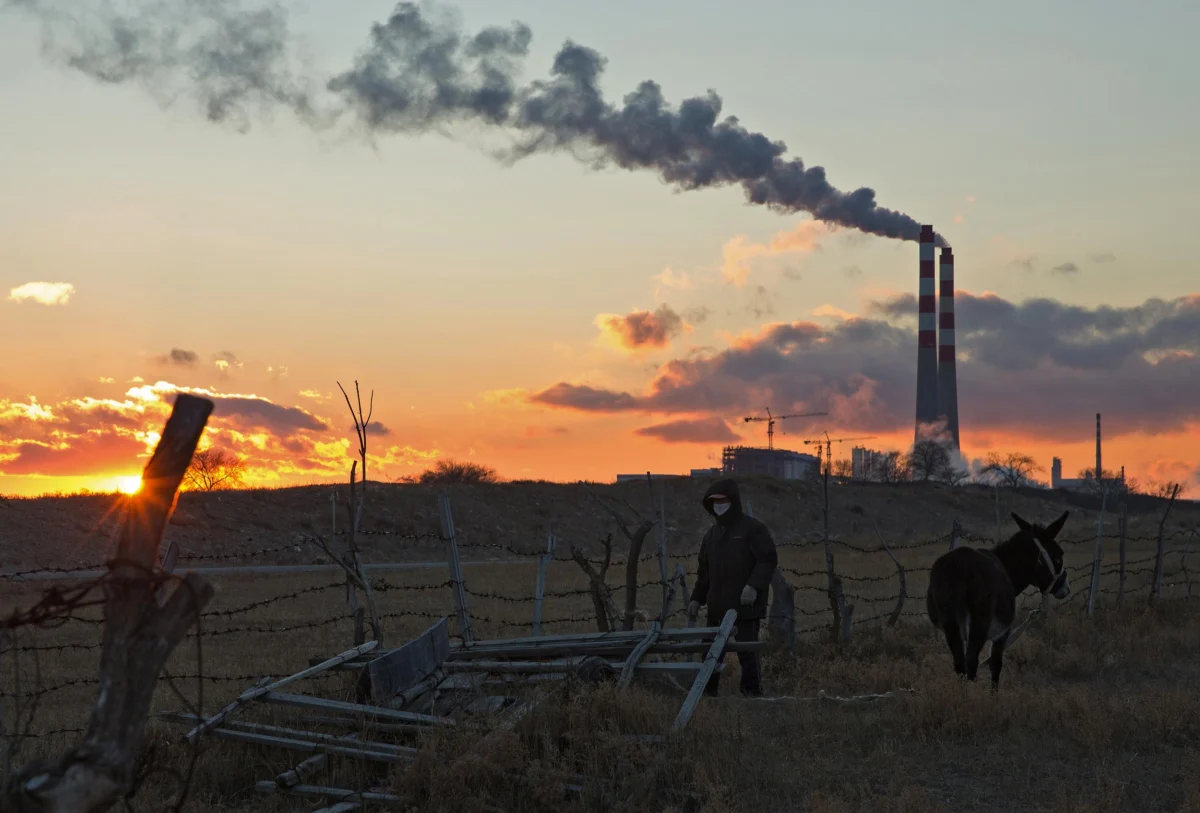
Beijing, China – In a significant milestone for China’s energy transition, coal-fired power plants generated 49.7% of the nation’s total electricity output during the first six months of 2026. This marks the first time in recorded history that coal’s share in the electricity mix has fallen below the pivotal 50% threshold, signaling a substantial shift away from the historically dominant energy source. The data, compiled and analyzed by environmental organizations, underscores the accelerating pace of renewable energy deployment across the world’s second-largest economy.
The decrease in coal’s contribution is directly attributable to the rapid expansion of solar and wind power capacity, which are increasingly outcompeting fossil fuels on cost and environmental grounds. While this development is being hailed as a crucial step in China’s commitment to carbon neutrality, experts caution that the journey to fully decouple from coal remains a complex and lengthy endeavor.
A Turning Point in China’s Energy Landscape
For decades, coal has been the backbone of China’s economic development, fueling its industrial revolution and providing reliable, albeit polluting, electricity to its vast population. However, growing concerns over air quality, climate change, and energy security have propelled a concerted national effort to diversify the energy portfolio. The recent figures represent a tangible outcome of these ambitious policies, indicating that the strategic investments in renewable energy are beginning to bear fruit on a national scale.
"This is another step in coal’s decline in China, and there’s still a way to go," stated Gao Yuhe, Beijing-based project lead for Greenpeace East Asia. His remarks highlight the dual nature of the achievement: a cause for celebration, but also a reminder of the ongoing challenges. "Solar and wind play a central role in outcompeting and displacing coal," Gao continued. "But solar and wind generation is still only at 25%."
This 25% figure for solar and wind generation, while substantial, underscores the significant room for further growth. The current national targets for wind and solar capacity by 2030 are set at 30%. However, Gao Yuhe expressed optimism that these targets could be surpassed, projecting a potential reach of 33% by 2028 if more aggressive policy measures are implemented.
The Accelerating Role of Renewables
The decline in coal’s share is not merely a statistical anomaly but a direct consequence of China’s aggressive renewable energy expansion strategy. Over the past decade, China has become the world’s largest producer and installer of solar panels and wind turbines. This surge has been driven by a combination of government incentives, technological advancements, and a decreasing cost of renewable energy technologies.
Timeline of China’s Energy Transition Efforts:
- 2010s: China begins to significantly ramp up investments in solar and wind power, driven by a need to address severe air pollution and meet growing energy demand. Policies like feed-in tariffs and renewable energy quotas are introduced.
- Mid-2010s: China surpasses Germany to become the world’s largest producer of solar power and maintains its lead in wind power installations. Concerns about grid integration and the curtailment of renewable energy begin to emerge.
- Late 2010s: The Chinese government announces ambitious climate goals, including peaking carbon emissions before 2030 and achieving carbon neutrality before 2060. This further intensifies the focus on renewable energy development.
- Early 2020s: The cost of solar and wind power continues to fall dramatically, making them increasingly competitive with traditional fossil fuels. New policies aim to improve grid infrastructure and energy storage solutions to better integrate renewables.
- 2025-2026: As reported, coal’s share in electricity generation dips below 50% for the first time, a testament to the sustained growth and effectiveness of renewable energy deployment.
The current 25% share of solar and wind in the electricity mix is a significant achievement, but Gao Yuhe’s warning about coal lingering without stronger targets is a critical point. "Without stronger targets, coal will linger in the interim," he emphasized. This suggests that while the trend is positive, complacency could slow down the transition.
The Crucial Role of Rooftop Solar and Energy Storage
Beyond large-scale solar and wind farms, Gao Yuhe highlighted two key sectors poised for significant growth and impact in the coming years: rooftop solar and energy storage. These distributed energy solutions are seen as vital for addressing localized energy demands and enhancing grid stability.
"Rooftop solar and energy storage are the key sectors to watch over the next few years," he advised. "In high energy demand provinces on the eastern seaboard, rooftop solar and battery deployment offer local solutions to meet peak electricity demand."
The eastern seaboard provinces, being the most industrialized and populous regions of China, face immense pressure on their electricity grids, particularly during periods of peak demand. Rooftop solar installations on residential, commercial, and industrial buildings can help alleviate this pressure by generating electricity closer to the point of consumption. Coupled with advanced battery storage systems, these localized solutions can store excess solar energy generated during the day for use during evenings and peak hours, thereby reducing reliance on baseload power from coal-fired plants.
This decentralized approach to energy generation and management offers several advantages:
- Reduced Grid Congestion: By generating power locally, the strain on long-distance transmission lines is lessened.
- Enhanced Grid Resilience: Distributed systems can provide backup power during grid outages, improving overall energy security.
- Lower Transmission Losses: Electricity generated and consumed locally experiences fewer losses during transmission.
- Empowerment of Consumers: Rooftop solar allows individuals and businesses to become energy producers, potentially reducing their electricity bills and carbon footprint.
The integration of battery storage is particularly critical. As solar and wind power are intermittent, storage solutions are essential to ensure a stable and reliable electricity supply. Advances in battery technology are making these systems more affordable and efficient, paving the way for their widespread adoption.
Implications for China’s Climate Goals and Global Energy Markets
The reduction in coal-fired power generation has profound implications for China’s domestic environmental agenda and its global climate commitments. As the world’s largest emitter of greenhouse gases, China’s progress in decarbonizing its energy sector is crucial for global efforts to combat climate change. The successful transition away from coal will not only improve air quality and public health within China but also contribute significantly to reducing global carbon emissions.
The shift also has broader implications for international energy markets. China’s reduced demand for imported coal could impact global coal prices and trade flows. Conversely, its continued dominance in the manufacturing of solar panels, wind turbines, and batteries solidifies its position as a leader in the green technology sector, influencing global supply chains and technological development.
Industry and Environmental Reactions
While the data from Greenpeace East Asia provides a clear indicator of the trend, reactions from various stakeholders are expected to be varied.
- Environmental Organizations: Likely to welcome the news as a positive step, while continuing to advocate for more aggressive policies and faster phasing out of coal. They will likely push for higher renewable energy targets and stricter regulations on new coal power plant approvals.
- Renewable Energy Industry: This sector will undoubtedly celebrate the milestone, seeing it as validation of their investments and a sign of continued growth opportunities. They will likely advocate for policies that further support renewable energy deployment and grid modernization.
- Coal Industry: The declining share of coal will present significant challenges. The industry may push for policies that support a more gradual transition, focusing on "clean coal" technologies or advocating for the continued role of coal as a backup power source.
- Government Agencies: Official statements from China’s National Energy Administration and Ministry of Ecology and Environment are expected to highlight the progress made while reiterating the commitment to national climate targets. They will likely emphasize the balancing act between energy security, economic development, and environmental protection.
Looking Ahead: The Road Beyond 50%
The decline of coal’s dominance in China’s electricity mix is a landmark achievement, representing a significant pivot towards a cleaner energy future. However, as Gao Yuhe rightly points out, the journey is far from over. The continued reliance on coal for nearly half of the nation’s electricity means that emissions from this sector remain substantial.
The coming years will be critical. China’s ability to accelerate the deployment of solar and wind power, coupled with the widespread adoption of energy storage and other grid modernization technologies, will determine the pace of its decarbonization. The success of rooftop solar initiatives and the development of innovative energy solutions will play a pivotal role in ensuring that China not only meets but potentially exceeds its climate goals. The world will be watching closely as China navigates this complex energy transition, a process that will undoubtedly shape the global energy landscape for decades to come.
For media inquiries, Greenpeace East Asia can be contacted via August Rick at [email protected] or the Greenpeace International Press Desk at [email protected] or by phone at +31 20 718 2470 (24 hours).


 Raul Delapena Setiawan