Lina Irawan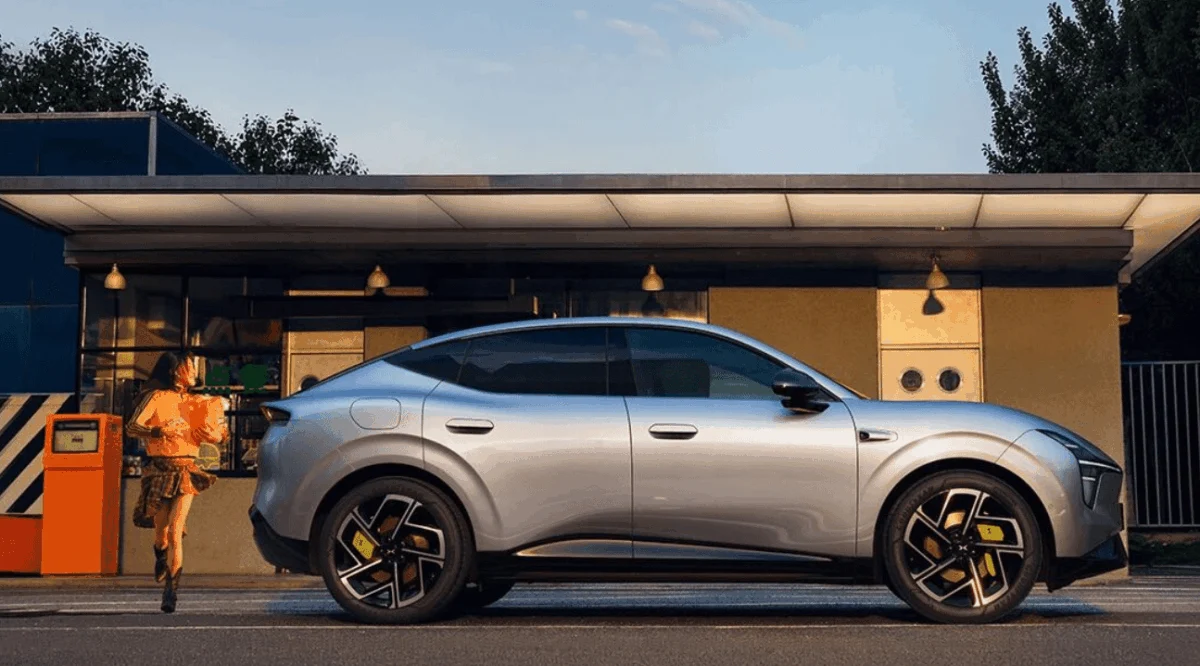
XPeng, a leading Chinese electric vehicle (EV) manufacturer, made a significant strategic move on Thursday by globally unveiling its MONA L03 smart SUV at an event held in Munich, Germany. This launch marks a pivotal moment for the automaker, as the MONA L03 is slated for simultaneous introduction across 65 countries and regions, encompassing its home market of China, the crucial European continent, and other key overseas territories. The decision to debut the vehicle in Munich, a city synonymous with automotive innovation and a central hub for Europe’s established car industry, underscores XPeng’s clear ambition to directly challenge entrenched global automotive giants in their own backyard.
Strategic Global Debut in Munich
Historically, Chinese automakers have adopted a phased market entry, typically launching new models in their domestic market first to refine offerings before venturing internationally. XPeng’s decision to break this mold with the MONA L03 represents a notable shift in its global strategy. By choosing Munich for its global unveiling, XPeng is not merely presenting a new vehicle; it is making a bold statement about its readiness to compete on an equal footing with global automotive leaders. The simultaneous launch across such a broad geographical spectrum indicates a matured global supply chain, robust logistics capabilities, and a commitment to delivering consistent product experiences worldwide. This approach aims to accelerate market penetration and build brand recognition on a global scale more rapidly than traditional sequential rollouts. The timing of the launch also positions XPeng to capitalize on the growing demand for electric SUVs, particularly in Europe, where stringent emission regulations and increasing consumer awareness are driving EV adoption.
MONA L03: Design, Performance, and Efficiency Highlights
The MONA L03, a smart SUV, embodies XPeng’s latest advancements in design, efficiency, and intelligent technology. Penned by former Ferrari designer Juanma López, the vehicle showcases XPeng’s "Vital Flow" design language, characterized by sleek lines and aerodynamic contours. This design philosophy is not merely aesthetic; it contributes significantly to the vehicle’s efficiency, boasting an impressive drag coefficient of 0.228 Cd. Such a low drag coefficient is critical for electric vehicles, directly impacting range and energy consumption, and places the MONA L03 among the most aerodynamically efficient SUVs on the market.

Under the hood, or rather, beneath the chassis, the MONA L03 offers versatile powertrain options to cater to diverse consumer preferences and regional requirements. In China, where the model starts at RMB 123,800 (approximately $18,280 USD), it is available in both battery-electric vehicle (BEV) and extended-range electric vehicle (EREV) variants. The all-electric version is engineered for impressive range and efficiency, delivering up to 650 kilometers (approximately 404 miles) based on the China Light-Duty Vehicle Test Cycle (CLTC). This is achieved with remarkably low energy consumption, registering as little as 11.5 kWh per 100 kilometers. For contexts like Europe and other markets where range anxiety or charging infrastructure might still be a concern, the EREV model provides a compelling alternative. It offers a substantial pure-electric CLTC range of 325 km (approximately 202 miles) for daily commutes, expandable to an extensive combined range of up to 1,380 km (approximately 857 miles). When operating in charge-sustaining mode, the EREV variant achieves a commendable WLTC fuel consumption of 4.96 liters per 100 km, showcasing its efficiency even when the gasoline engine is engaged. This dual-powertrain strategy allows XPeng to appeal to a broader customer base, addressing varying levels of EV infrastructure development and consumer readiness across its 65 target markets.
Advanced AI and Autonomous Driving Capabilities
At the very core of XPeng’s brand identity and strategic vision lies its unwavering commitment to artificial intelligence (AI), and the MONA L03 is a testament to this philosophy. Every MONA L03 vehicle is powered by XPeng’s proprietary Turing AI chip, a critical component that underpins its advanced intelligent features. The standard Max version of this chip provides a robust 750 TOPS (Tera Operations Per Second) of computing power, while the Ultra SE variant elevates this capability significantly to 1,500 TOPS. This formidable processing power is essential for real-time data analysis from multiple sensors, enabling sophisticated autonomous driving functions and an intelligent in-car experience.
The MONA L03 is built upon XPeng’s second-generation Vision-Language-Action (VLA) model, a cutting-edge AI architecture that utilizes a single autonomous driving foundation model. This unified model is designed with remarkable adaptability, capable of interpreting and navigating the unique complexities of both Chinese and European road conditions. This is a crucial distinction, as road signage, traffic laws, driving behaviors, and infrastructure vary significantly between regions. The ability of the VLA model to adapt across these diverse environments highlights XPeng’s deep investment in AI research and development. Looking ahead, XPeng has outlined an ambitious roadmap for the gradual rollout of localized Navigation Guided Pilot (NGP) driver-assistance features to its global markets, commencing in 2027. This phased introduction will ensure that the NGP system is meticulously tailored to specific local driving environments, enhancing safety, reliability, and user acceptance in each region. The company’s strategy indicates a careful, data-driven approach to deploying advanced autonomous features, prioritizing localized refinement over a one-size-fits-all solution.
User Experience and Premium Cabin Features
Beyond its performance and AI prowess, the MONA L03 is engineered to deliver a premium and intuitive user experience. The international version of the SUV runs on XOS 6, XPeng’s latest in-car operating system. This advanced OS is designed for global appeal, supporting mixed-language voice recognition across key European languages such as English, German, and French, alongside others. Crucially, XOS 6 goes beyond simple command recognition, demonstrating an understanding of natural conversational nuances and emotion-aware commands. This allows for a more fluid and human-like interaction with the vehicle’s various functions, from navigation and climate control to infotainment.

The cabin itself is designed as a sanctuary of comfort and technology. Drivers benefit from a expansive 26.8-inch wide head-up display (W-HUD) that projects critical driving information directly onto the windshield, minimizing distraction and enhancing safety. Audiophiles will appreciate the 20-speaker AI audio system, engineered to deliver an immersive sound experience. For front-seat passengers, a "zero-gravity" seat offers unparalleled comfort, complemented by a luxurious 14-point massage functionality, transforming journeys into relaxing experiences. These features collectively underscore XPeng’s commitment to combining intelligent technology with high-end comfort and convenience, aiming to set new benchmarks in the smart SUV segment.
Pricing and Competitive Market Positioning
The pricing strategy for the MONA L03 reflects XPeng’s ambition to compete effectively across different global markets. As mentioned, in China, the BEV variant starts at RMB 123,800 ($18,280), positioning it competitively within the burgeoning mass-market EV segment. For the European market, pricing begins at €35,600 ($40,720 USD for the BEV) and €38,600 ($44,150 USD for the EREV). This strategic pricing places the MONA L03 squarely in the mainstream electric SUV segment in Europe, aiming to attract a broad demographic of buyers looking for a blend of advanced technology, efficiency, and value.
This pricing strategy puts the MONA L03 in direct competition with a wide array of existing models. In China, it will contend with domestic rivals from brands like BYD, Nio, and Li Auto, as well as international players. In Europe, the challenge is even greater. The MONA L03 will face established European automakers such as Volkswagen (ID.4, ID.5), Hyundai (Ioniq 5), Kia (EV6), Skoda (Enyaq), and Tesla (Model Y), all of whom have strong brand recognition, extensive service networks, and loyal customer bases. XPeng’s ability to differentiate the MONA L03 through its superior AI capabilities, efficient powertrains, and compelling feature set at its price point will be crucial for gaining market share.
XPeng’s "In Europe, for Europe" Strategy
The global launch of the MONA L03 is not an isolated event but a cornerstone of XPeng’s broader "In Europe, for Europe" strategy. This comprehensive approach signifies a deeper commitment to the European market beyond simply exporting vehicles. A key component of this strategy is the establishment of a dedicated Research & Development (R&D) center in Munich. This center will play a vital role in localizing technology, adapting features to European consumer preferences, and ensuring compliance with regional regulations, thereby fostering genuine integration into the European automotive ecosystem.

Furthermore, XPeng has forged a strategic partnership with the Austrian automotive supplier Magna for localized manufacturing. This collaboration is instrumental for several reasons: it allows XPeng to leverage Magna’s extensive manufacturing expertise and established supply chains in Europe, potentially mitigating some of the logistical complexities and costs associated with importing vehicles from China. Localized production can also help XPeng navigate potential trade barriers or tariffs that might arise from evolving geopolitical landscapes and trade policies, such as the European Union’s ongoing anti-subsidy investigations into Chinese EV imports.
Crucially, XPeng is also addressing one of the primary concerns for prospective EV buyers: charging infrastructure. The company has ambitious plans to significantly expand its overseas charging network, aiming to build more than 4,000 ultra-fast charging stations across Europe by 2028. This commitment to developing a robust charging ecosystem is vital for alleviating range anxiety, enhancing convenience for XPeng owners, and accelerating the broader adoption of electric vehicles in the region. By investing in R&D, localized manufacturing, and charging infrastructure, XPeng is demonstrating a long-term commitment to becoming a significant player in the European EV market, moving beyond merely selling cars to building a comprehensive support system for its customers.
Broader Implications and Market Challenges
The MONA L03 launch serves as a crucial litmus test for XPeng’s global expansion strategy. By choosing a simultaneous global debut and targeting 65 countries, the company is signaling a confident, aggressive push into international markets. This strategy, if successful, could significantly strengthen XPeng’s brand presence and market share beyond China, diversifying its revenue streams and reducing its reliance on a single market.
However, the path ahead is fraught with challenges. The European automotive market is intensely competitive, with both legacy automakers and new entrants vying for dominance in the rapidly growing EV segment. Established European brands benefit from decades of brand loyalty, extensive dealership networks, and a deep understanding of local consumer preferences. Moreover, other Chinese EV manufacturers are also actively pursuing international expansion, leading to increased competition within the cohort of new-age automakers.
Evolving trade policies, particularly the European Union’s ongoing anti-subsidy investigations into Chinese EV imports, pose a significant geopolitical risk. Should these investigations result in tariffs or other trade barriers, it could significantly impact the competitiveness and profitability of Chinese EVs, including the MONA L03, in the European market. XPeng’s partnership with Magna for localized manufacturing is a proactive step to mitigate some of these risks, but it may not fully insulate the company from broader policy shifts.

Furthermore, building and maintaining a strong brand image, robust sales channels, and a reliable after-sales service network across 65 diverse markets is a monumental undertaking. Customer trust, particularly in a new brand from an unfamiliar origin, is earned over time through consistent product quality, excellent service, and responsive support.
In conclusion, the XPeng MONA L03 is more than just a new vehicle; it represents a bold declaration of intent from a Chinese EV powerhouse. Its global simultaneous launch, coupled with a sophisticated design, advanced AI, efficient powertrains, and a comprehensive "In Europe, for Europe" strategy, positions XPeng as a formidable contender in the global smart SUV market. While the challenges of intense competition, evolving trade policies, and the complexities of international market penetration remain significant, the MONA L03’s debut signals XPeng’s determination to translate its technological prowess into sustained global sales growth and a substantial share of the burgeoning worldwide electric vehicle market. The coming years will reveal whether this ambitious strategy can successfully navigate these complexities and solidify XPeng’s position as a truly global automotive innovator.


 Jia Lissa
 Nana
Nana